Woodpeckers are in the family Picidae within the order Piciformes. There are 236 species in 34 genera, found in every treed habitat except in Madagascar and Australasia. Around 100 species can be found in South America, with 35 found in Ecuador. We observed 7 species on our trip there, and I was able to photograph four of them: Black-cheeked, Scarlet-backed, Guayaquil, and Golden-olive.
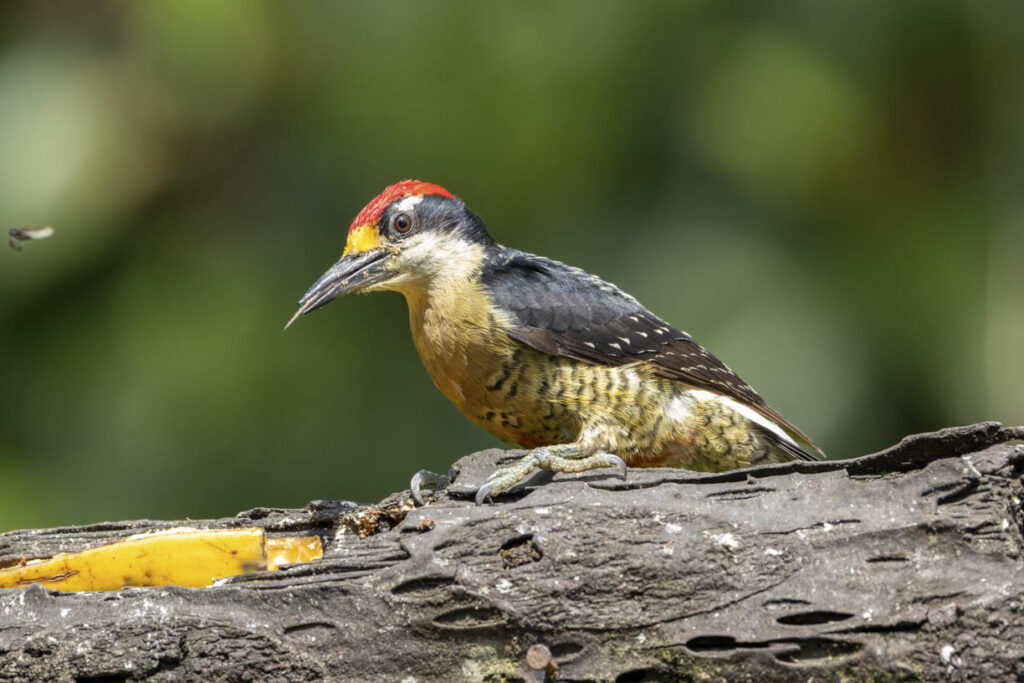
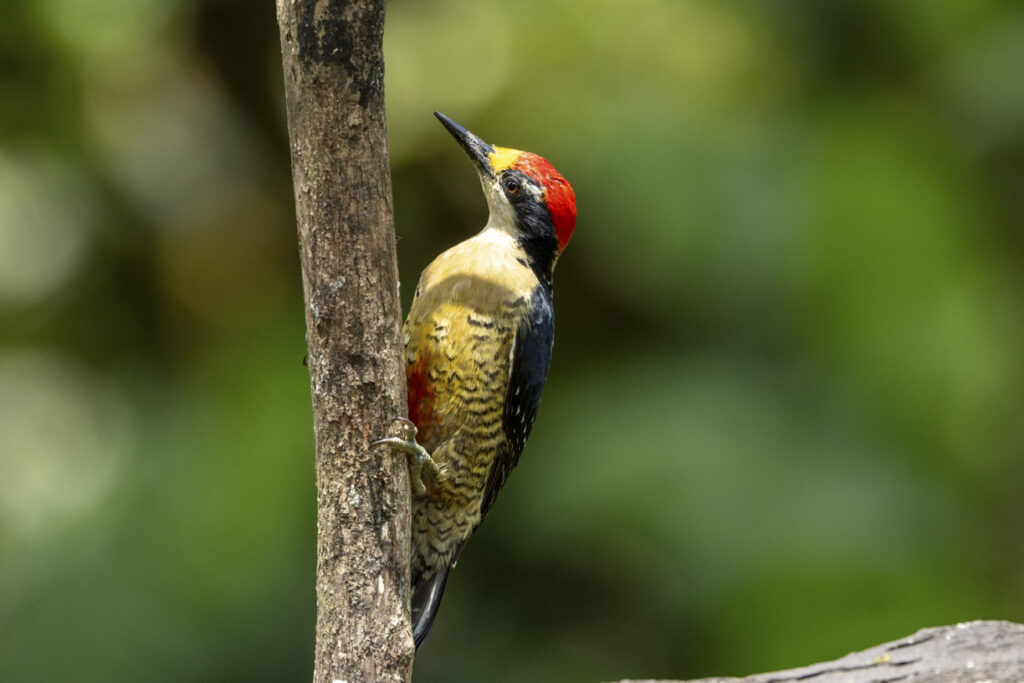
I’ll start with the Black-cheeked Woodpecker. It is in the genus Melanerpes, which also includes North America’s Red-bellied Woodpecker. It is fairly common and widespread throughout its range, from central Mexico, through Central America, western Columbia and Ecuador, and into the northwest edge of Peru.
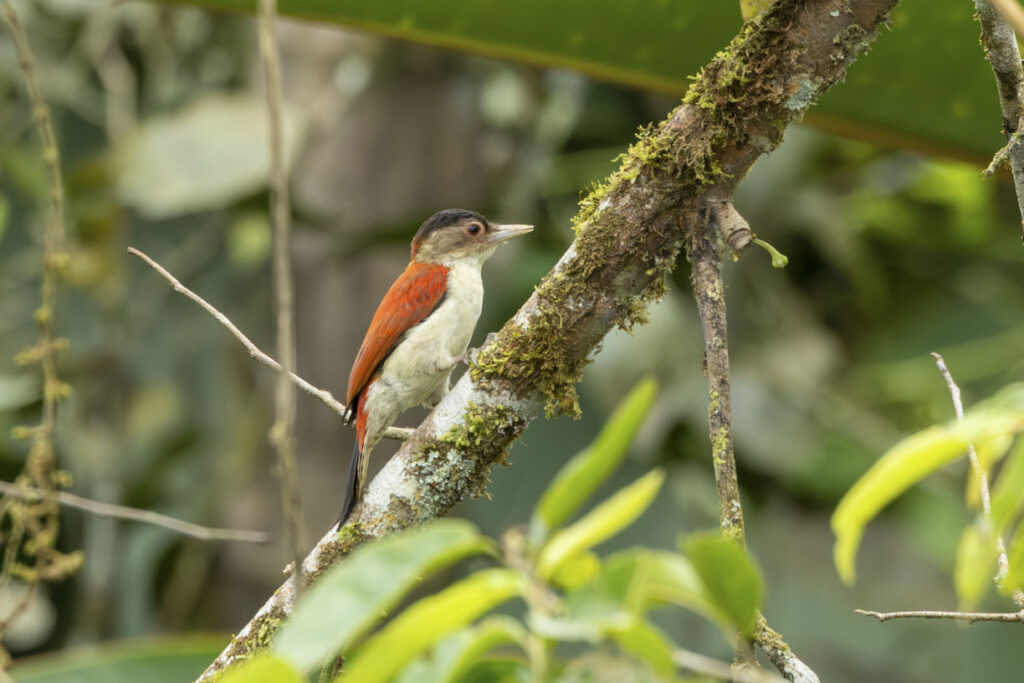
Next is the Scarlet-backed Woodpecker, in the genus Dryobates (sharing this genus with our Downy and Hairy Woodpeckers). This was seen from a canopy tower at the Sendero Frutti Tour & Birdwatching location. Little is known about this species, although it is fairly common in western Ecuador and Peru.
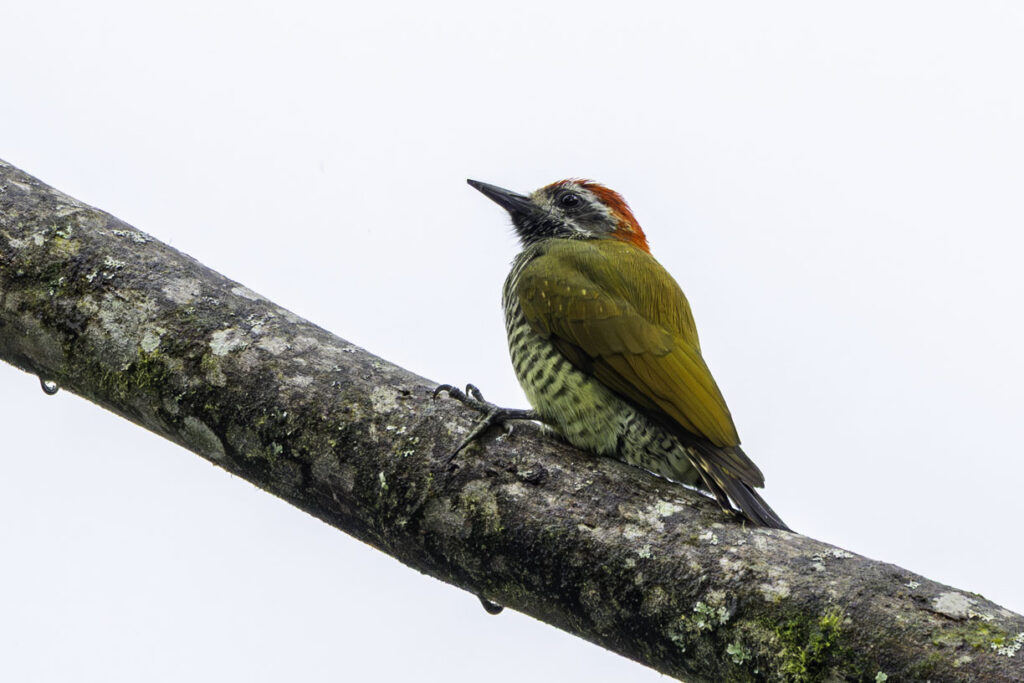
The Yellow-vented Woodpecker is also in the Dryobates genus. They are found in the Andes cloud forests and forest borders. This one was seen from the observation deck of the San Isidro Lodge on the eastern slop of the Andes.
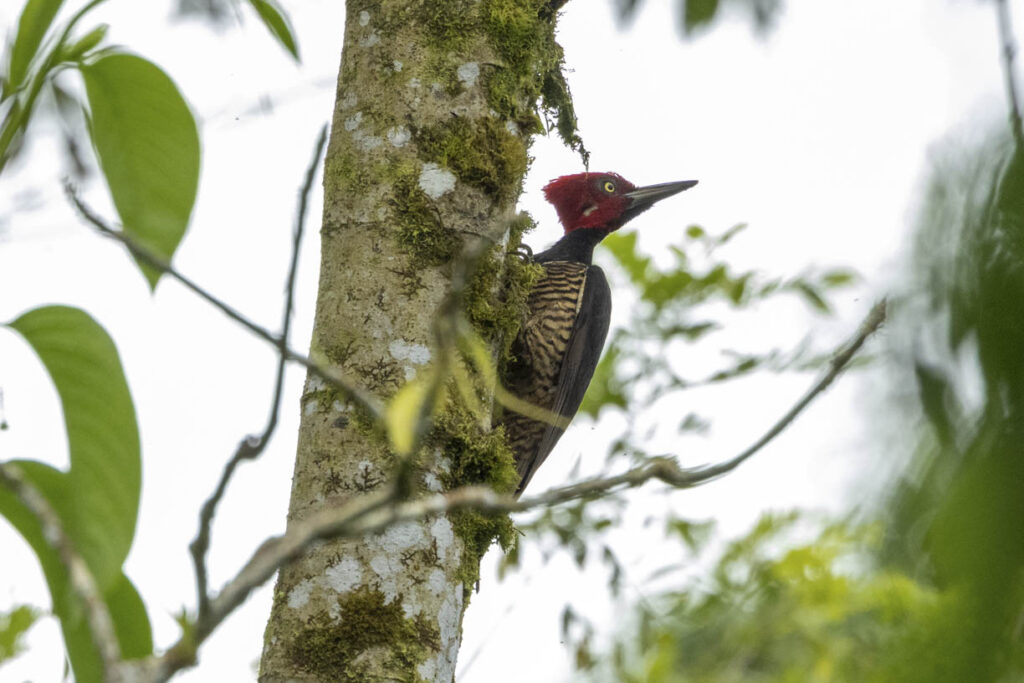
This Guayaquil Woodpecker is a large woodpecker, about the same size as North America’s Pileated Woodpecker. Its range is limited to the west slopes of the Andes and adjacent lowlands, from south Columbia, along the east side of Ecuador, to northern Peru. Its numbers have been declining due to loss of understory due to agricultural clearing, and it is currently designated as “near-threatened” status.
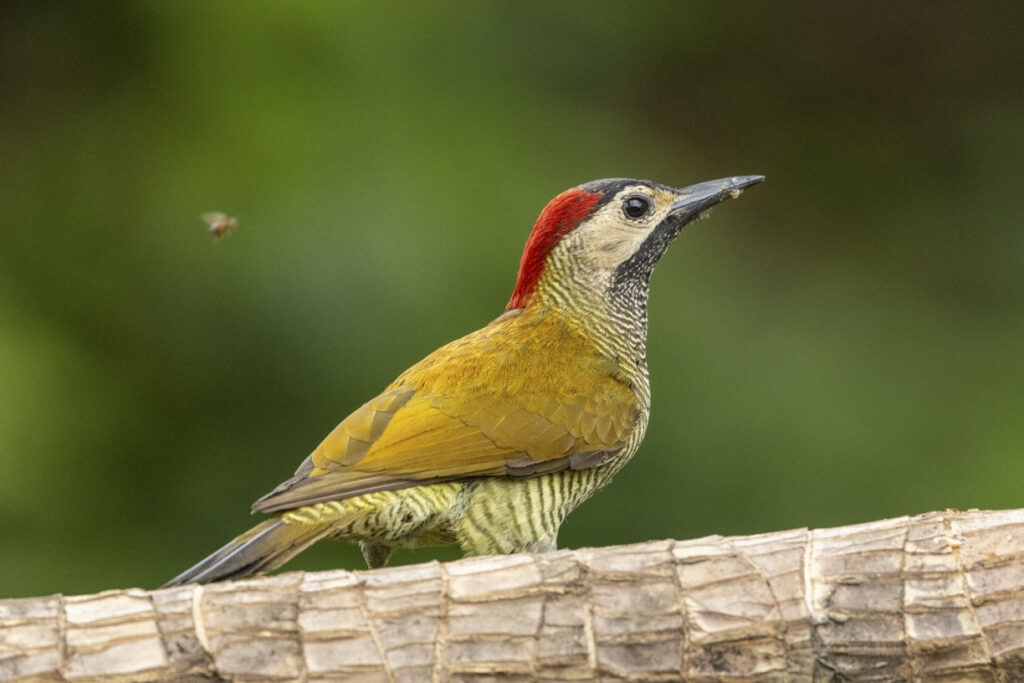
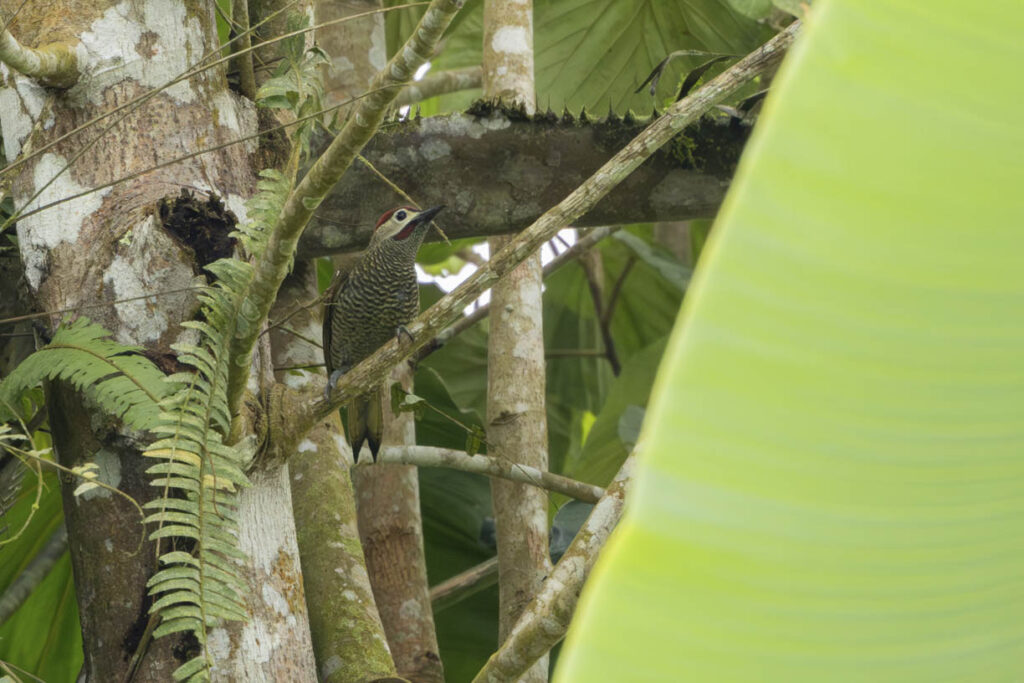
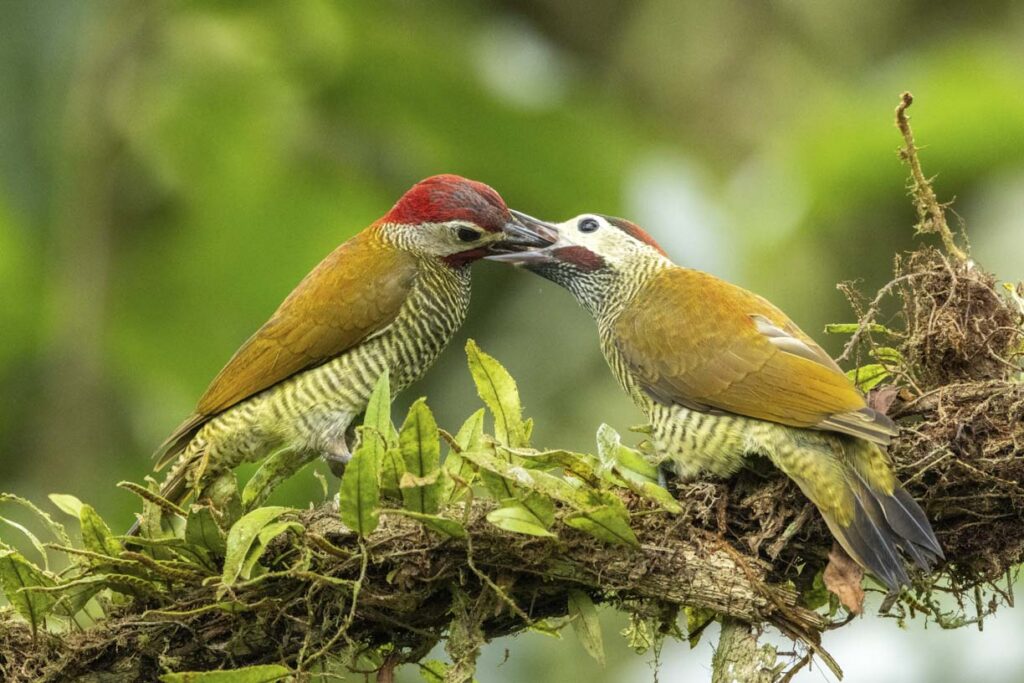
The Golden-olive Woodpecker, our final woodpecker species, is in the genus Colaptes, which also contains our Northern Flicker. It is one of the most widespread Neotropical woodpecker species, found in Mexico, throughout Central America, and montane forests throughout South America. There may be as many as 19 subspecies. We watched a pair of adults feeding young at Sendero Frutti.