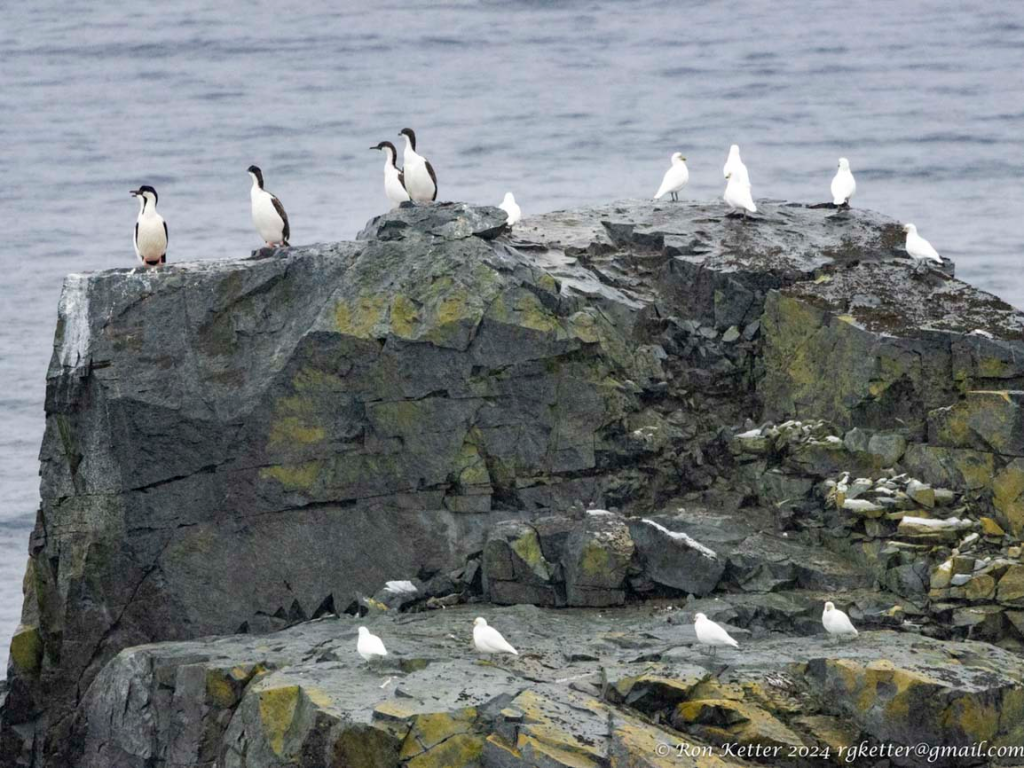
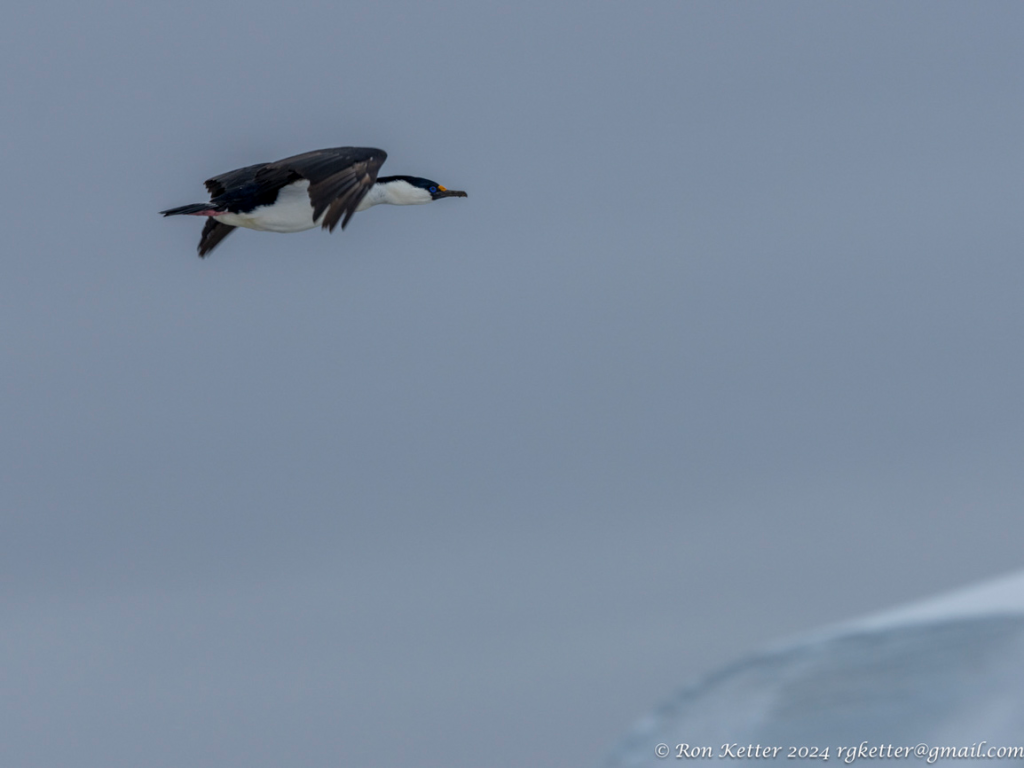
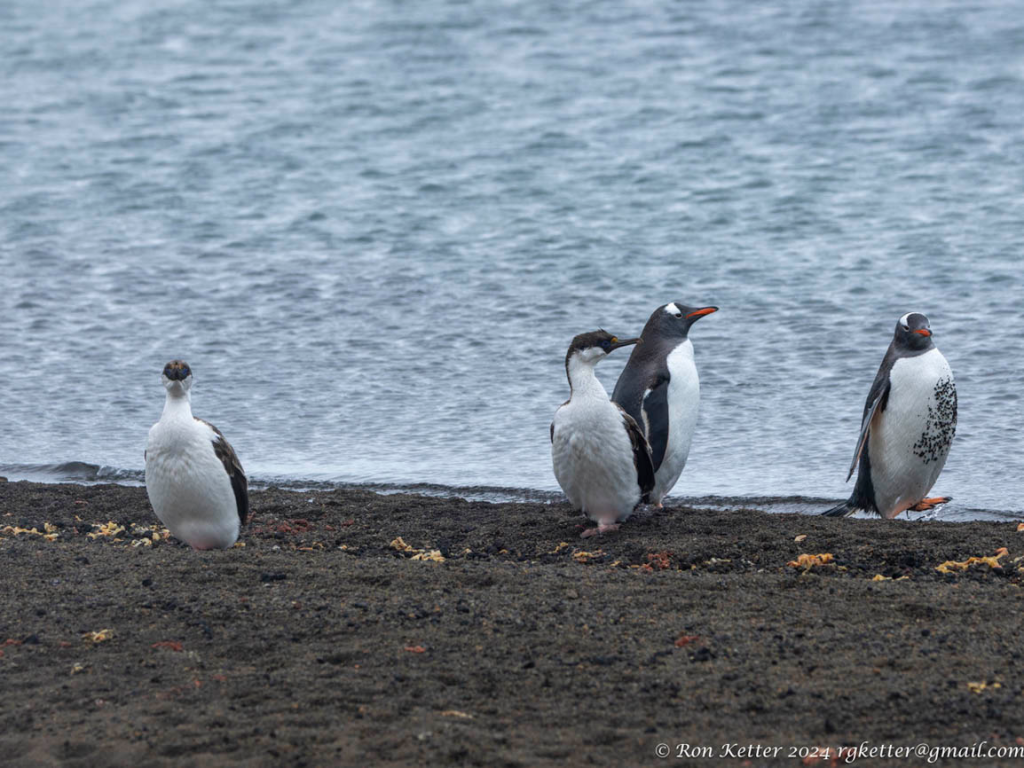
Janet and I booked a trip to see Antarctica through Roads Scholar. This page has photos I took of the bird observed during the trip. It’s organized into the four geographic regions we covered during the trip. You can jump directly to the region by clicking on the links below:
We started our trip by taking a flight on December 1 from BWI to Atlanta, then catching a redeye flight to Buenos Aires, landing Monday morning. We were picked up by our tour leader, joining about 18 other members of our tour, and spent the afternoon exploring Buenos Aires. The next day we boarded a bus to visit a gaucho ranch. We then traveled to Ushuaia, at the tip of Tierra del Fuego, where we spent two days touring the national park and surrounding area. After boarding the ship, we crossed the Drake Passage, and arrive in Antarctica spending 4 1/4 days exploring the Shetland Islands and Antarctica Peninsula.
Buenos Aires
Fortunately, Roads Scholars had arranged early check-in for us. We arrived at the hotel around 11 am. After taking a shower and grabbing a quick bite to eat, we met early Monday afternoon for a pre-briefing from Nikki, our tour leader, and then boarded a bus for an afternoon tour of Buenos Aires. We drove and walked around various parts of the city, with our local tour guide discussing the history and culture of the city. I divided my time between listening to her and watching some of the urban birds. Here are some of the species.
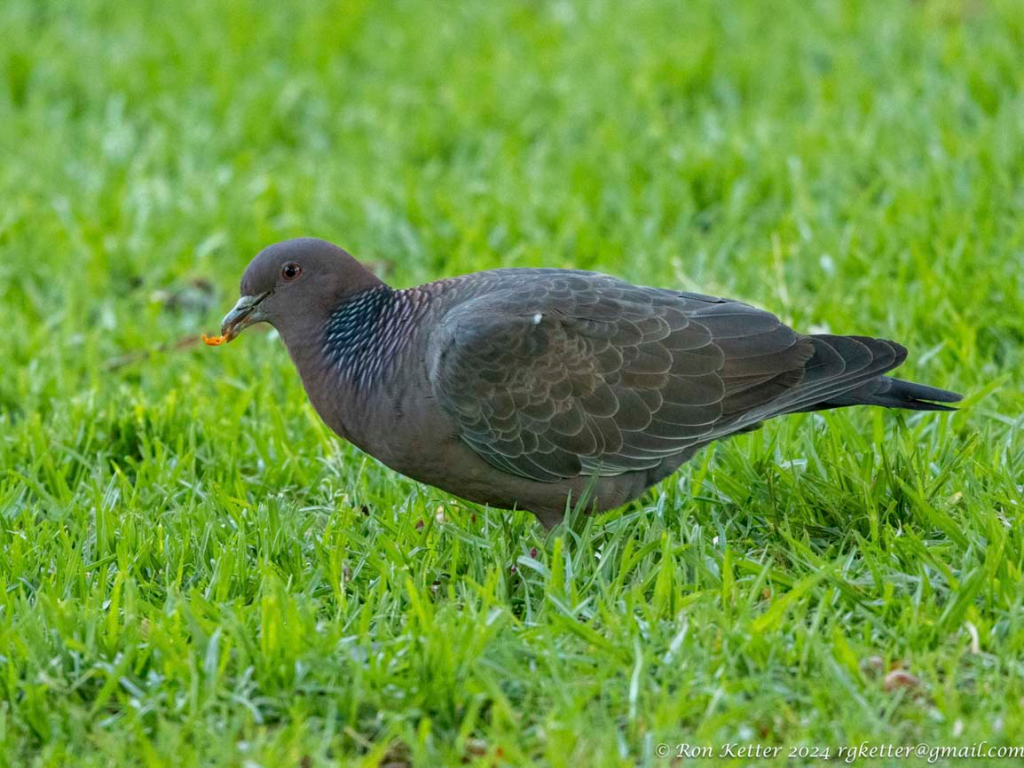
Picazurro Pigeon
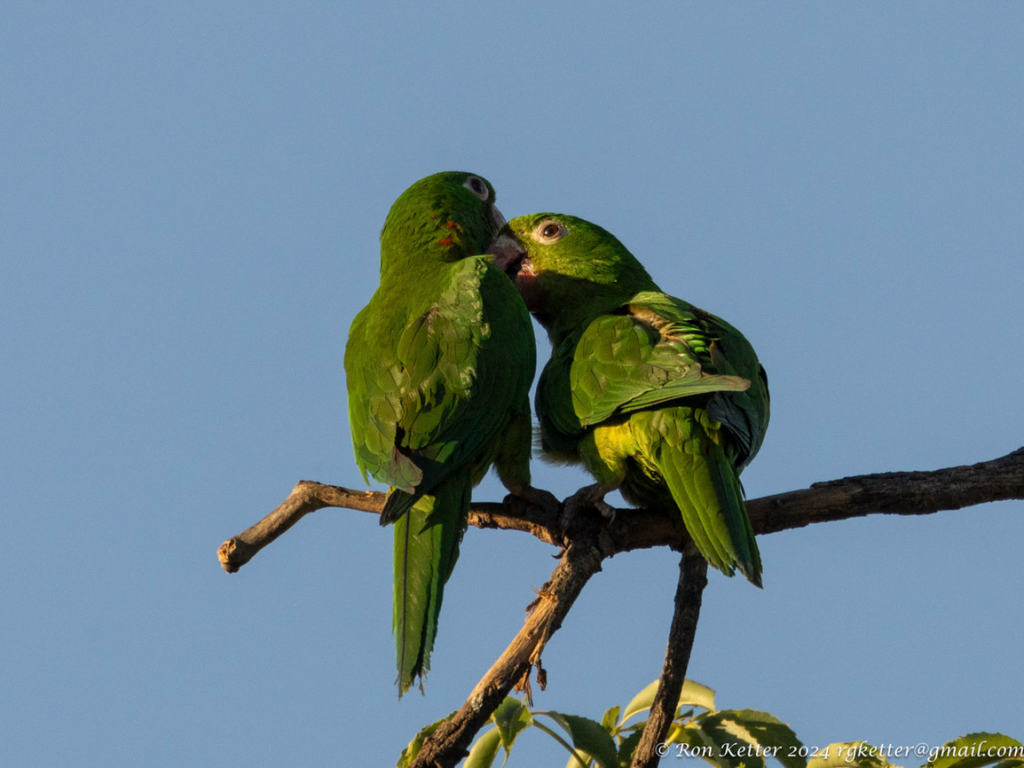
White-eyed Parakeet
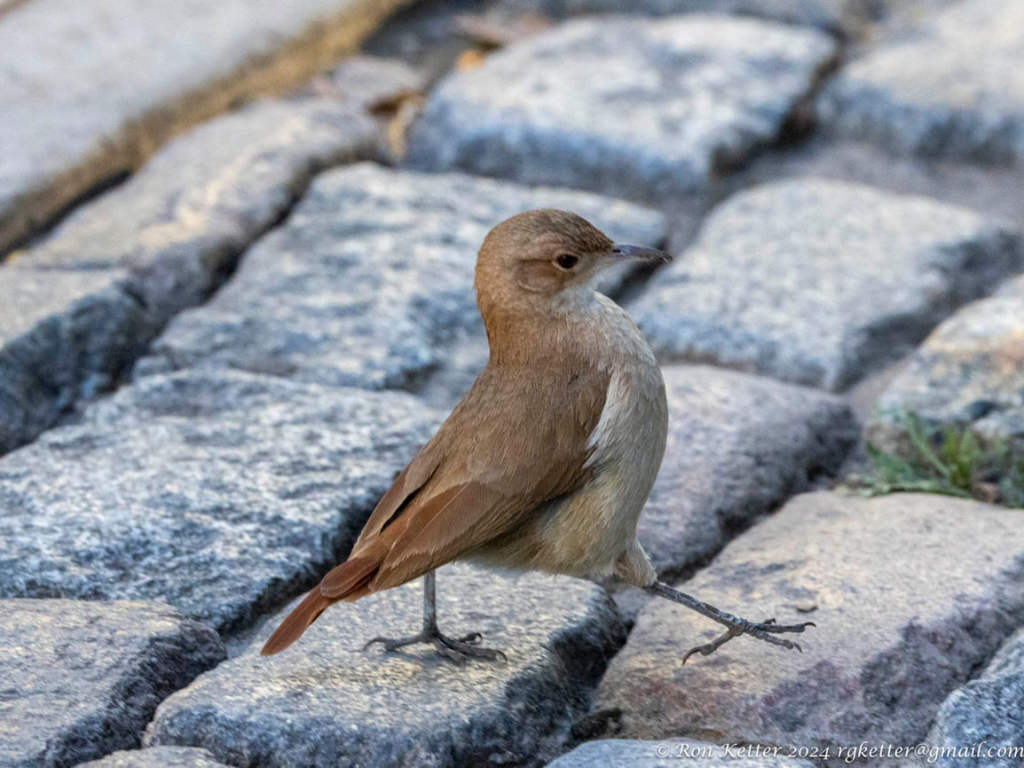
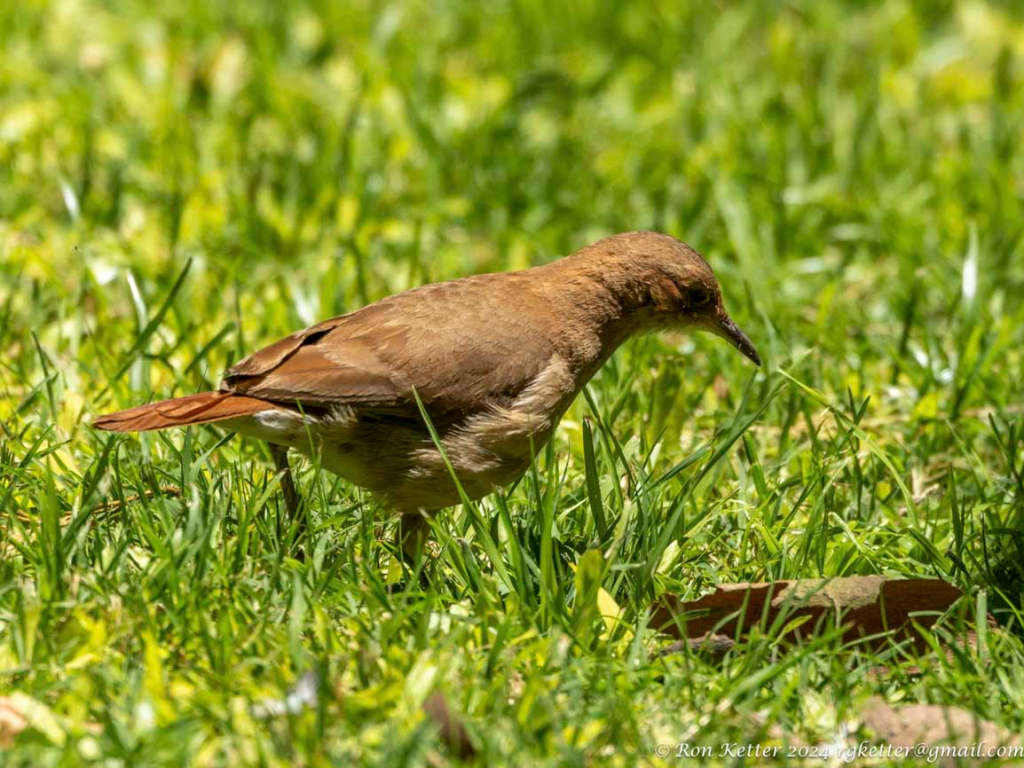
Rufous Hornero
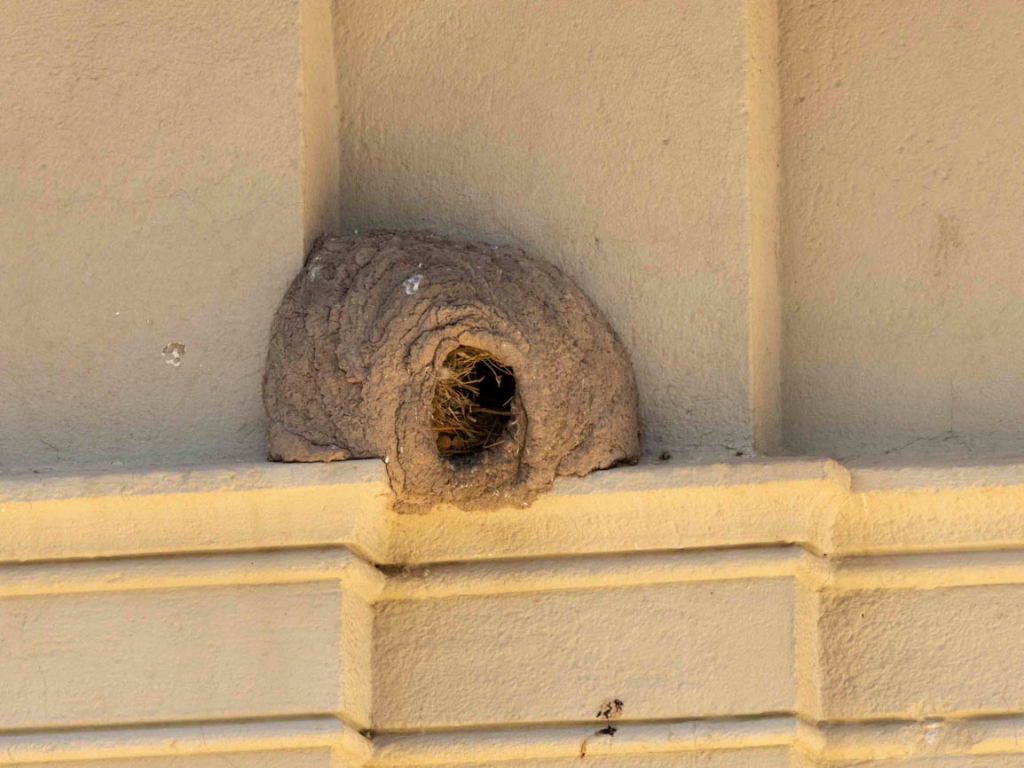
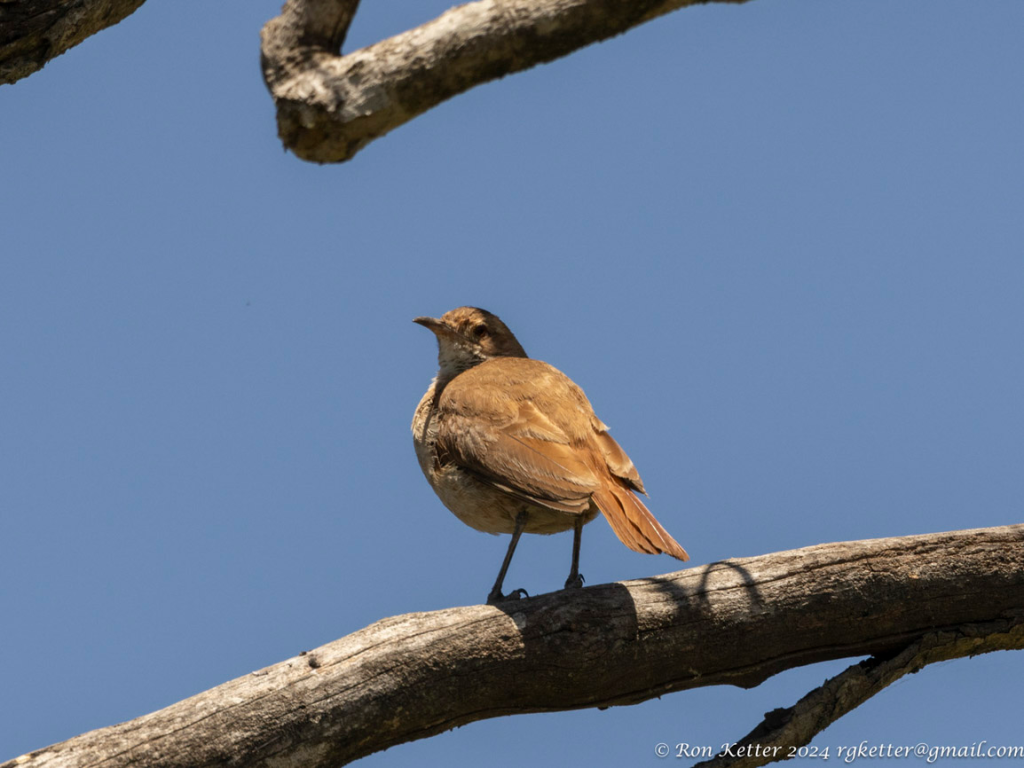
The Rufous Hornero is the national bird of Argentina. It’s in the Furnariidae family, a rather large ovenbird that builds an enclosed nest structure from mud in trees, on the sides of buildings, or on other structures.
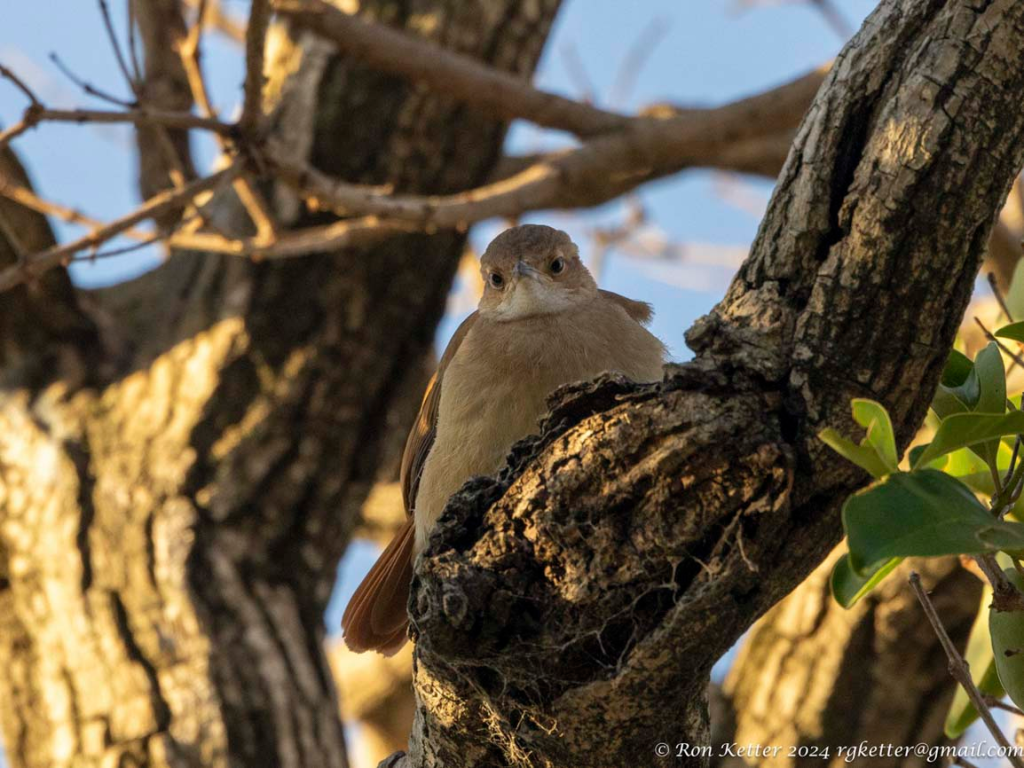
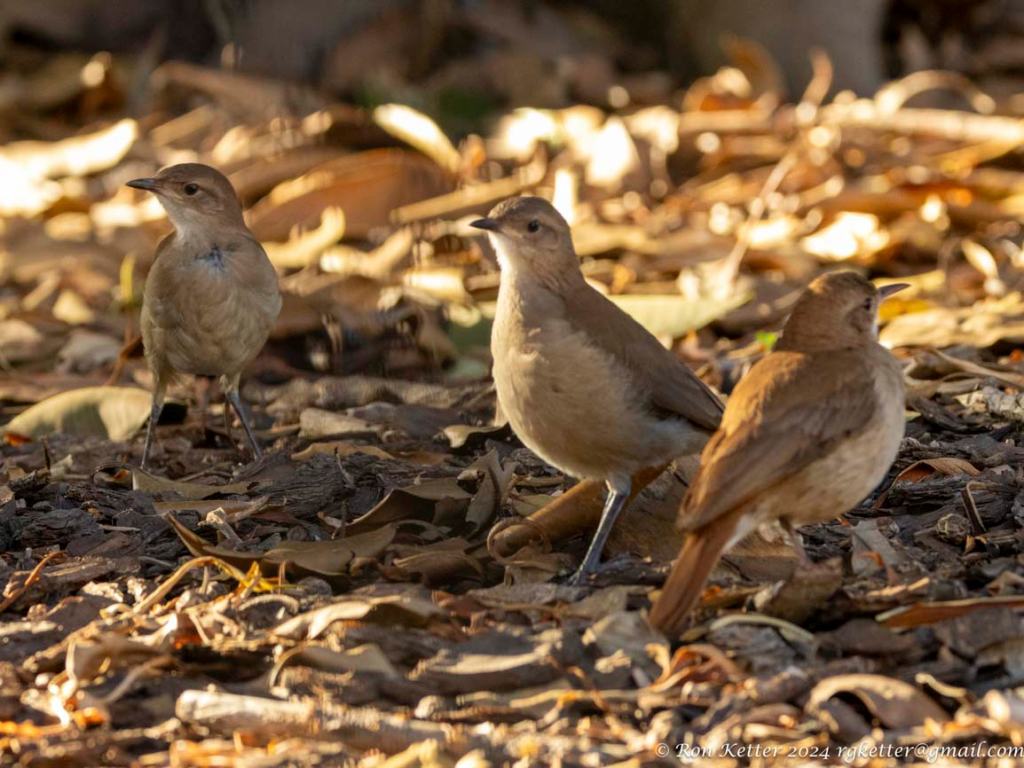
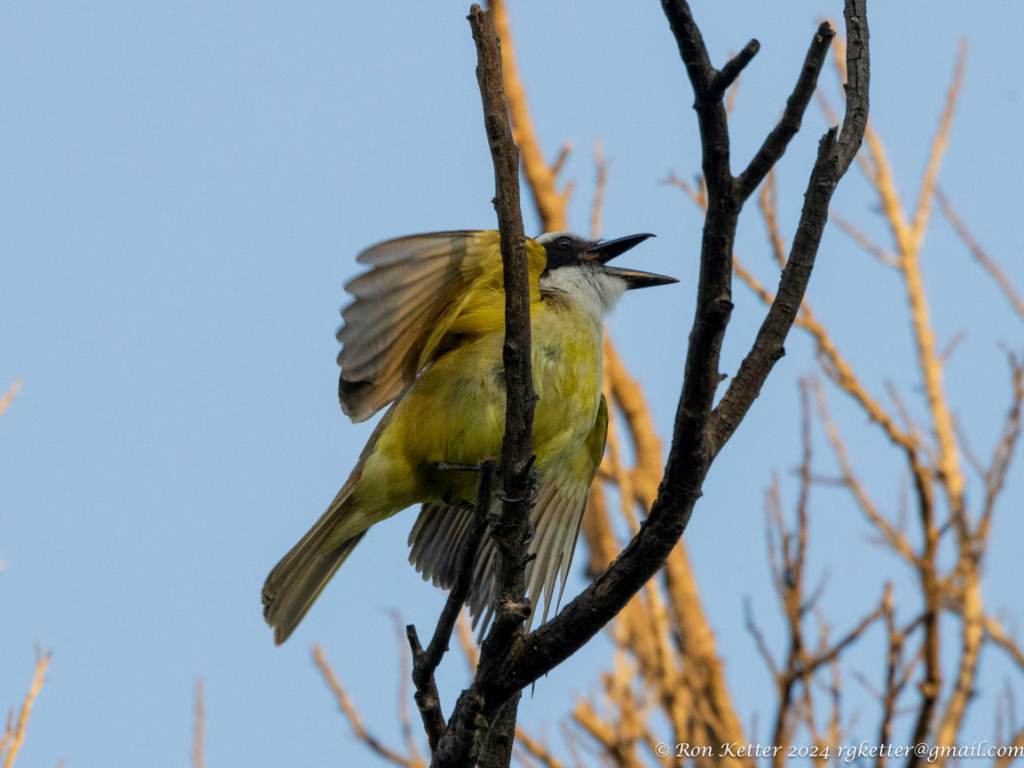
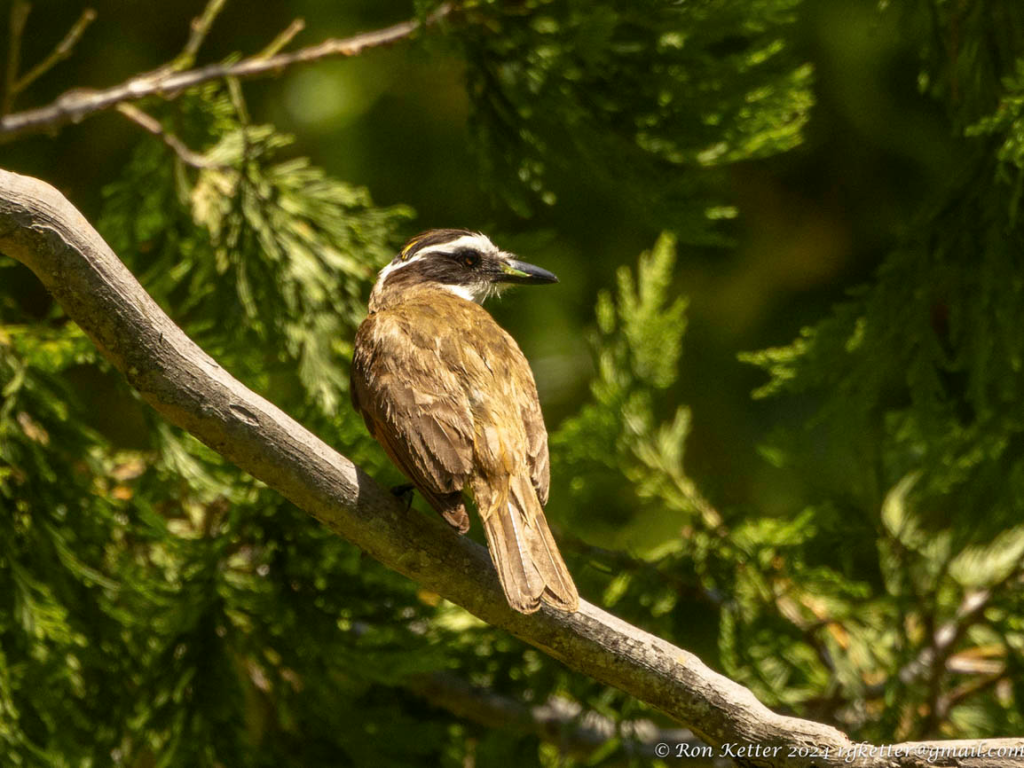
Great Kiskadee
A raucous flycatcher, named after the way it vocalizes kis-ka-deeee.
Gaucho Ranch
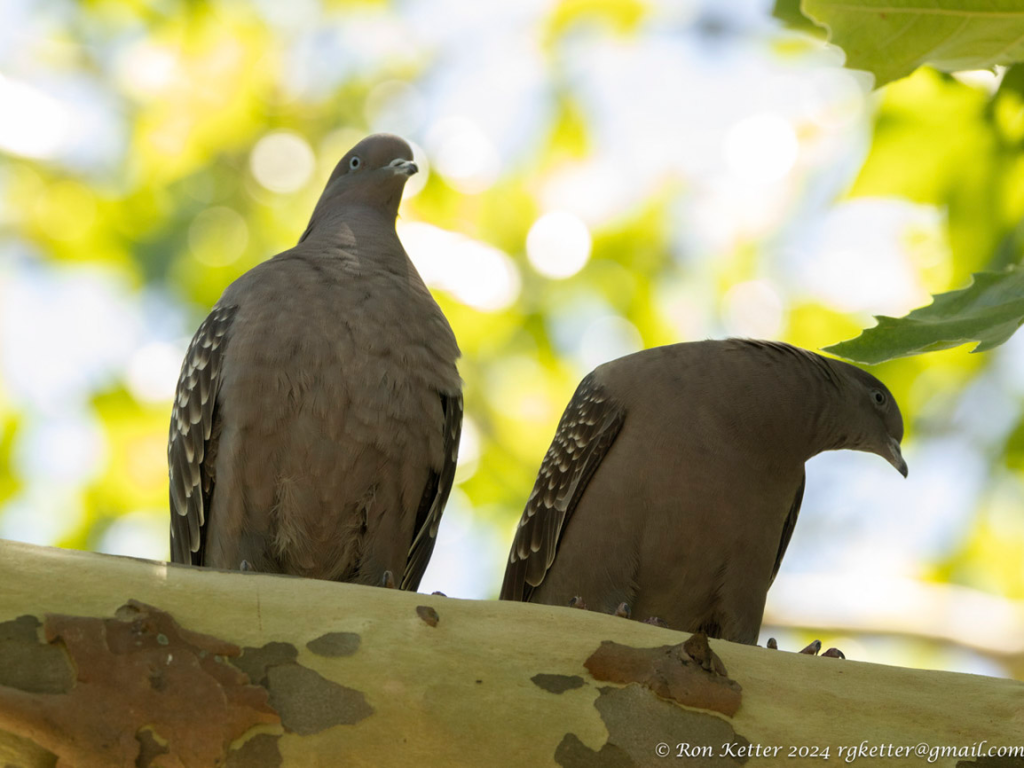
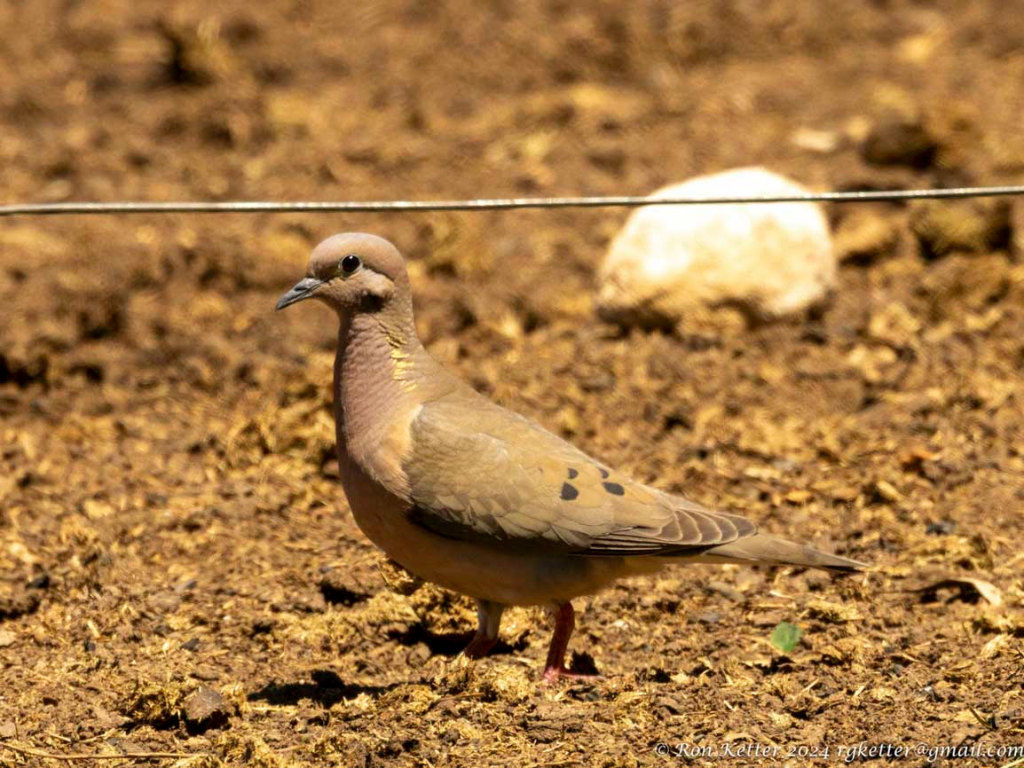
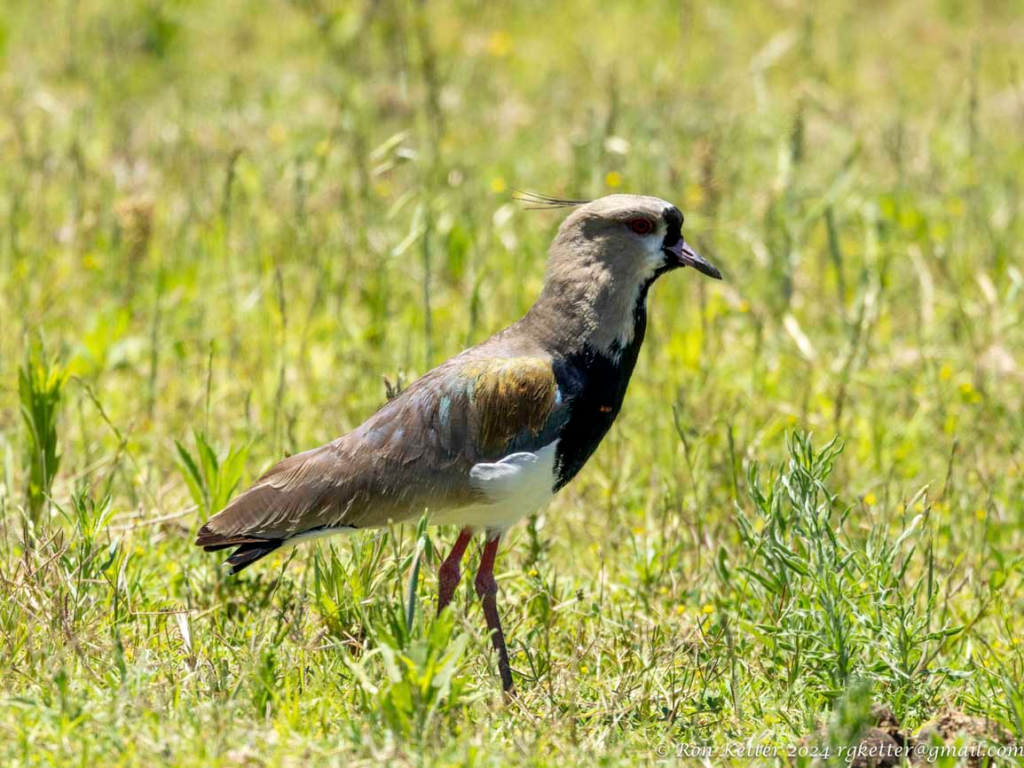
Tuesday morning we headed to the country, about 2 hours northwest of Buenos Aires near the town of San Antonio de Areco. We first stopped in town and walked around the plaza before heading out to the ranch. Here are some of the birds seen, both in the town plaza as well as at the ranch.
Spot-winged Pigeon
Eared Dove
Southern Lapwing
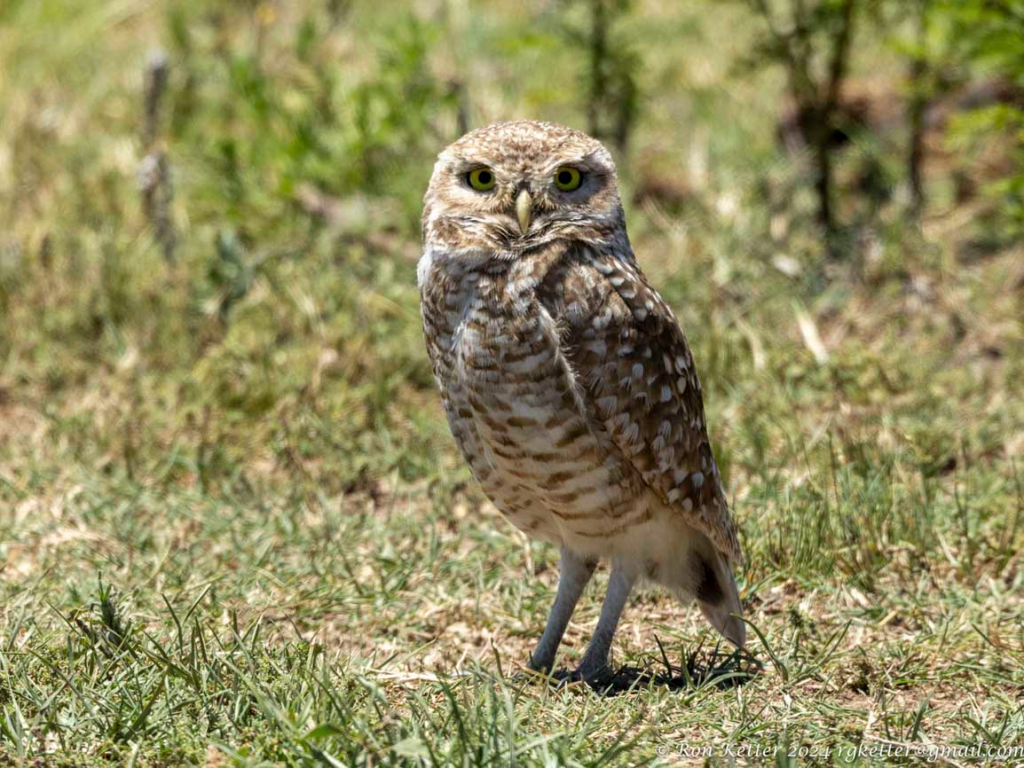
Burrowing Owl
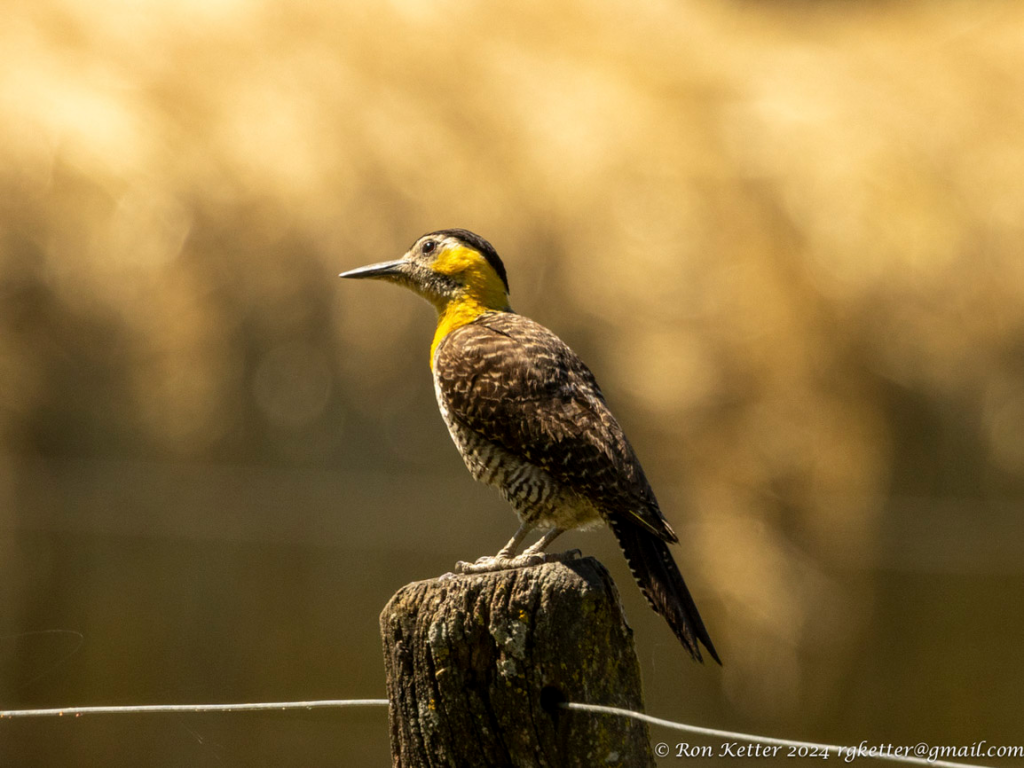
Campo Flicker
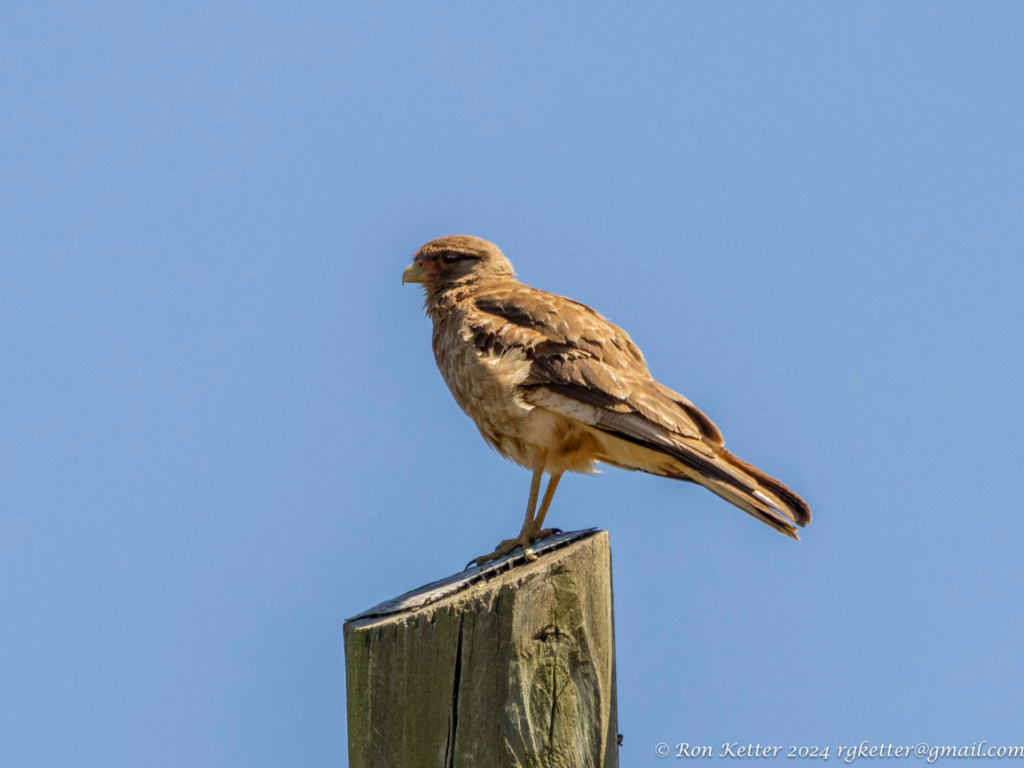
Chimango Caracara
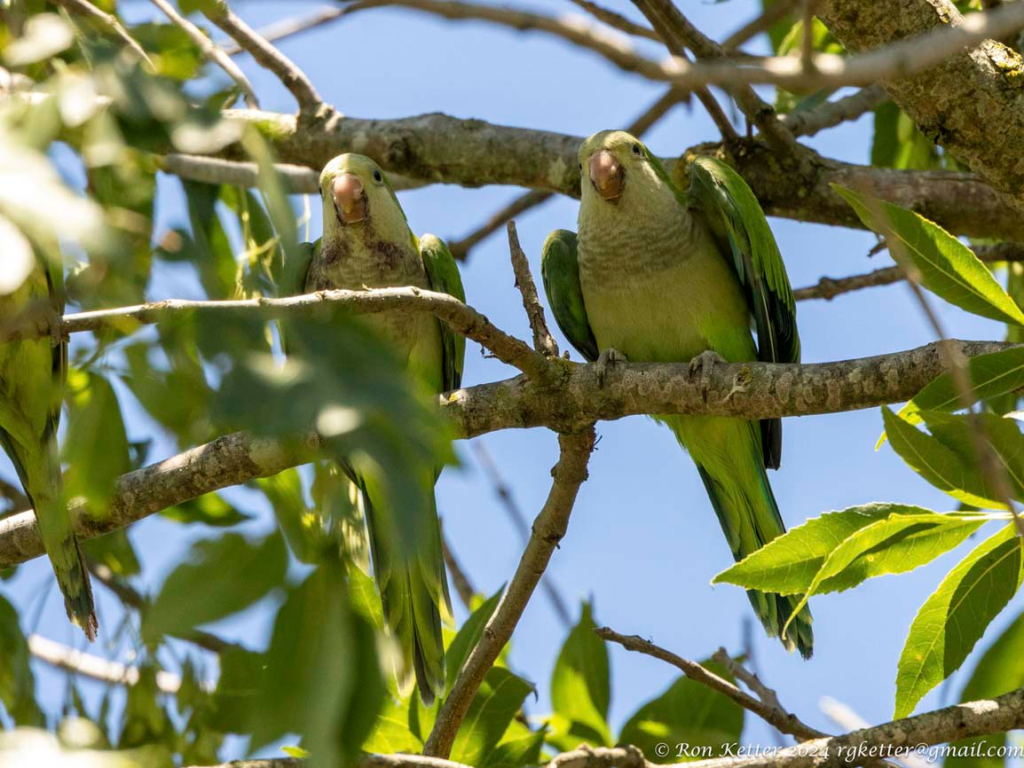
Monk Parakeet
Rufous Hornero
Great Kiskadee
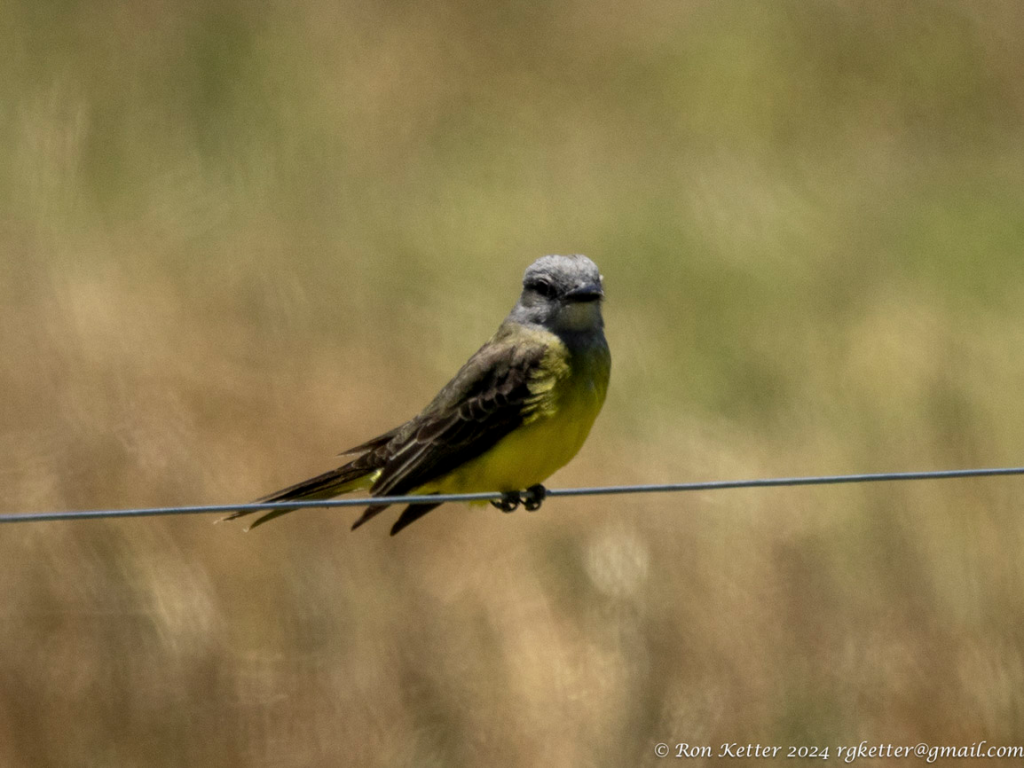
Tropical Kingbird
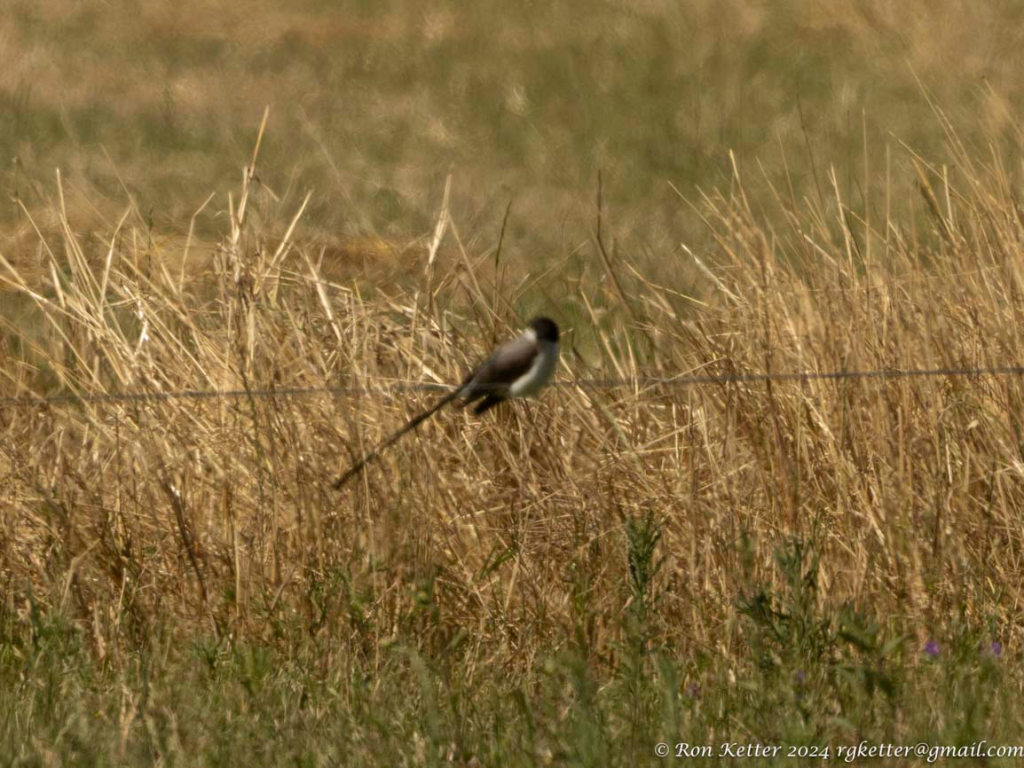
Fork-tailed Flycatcher
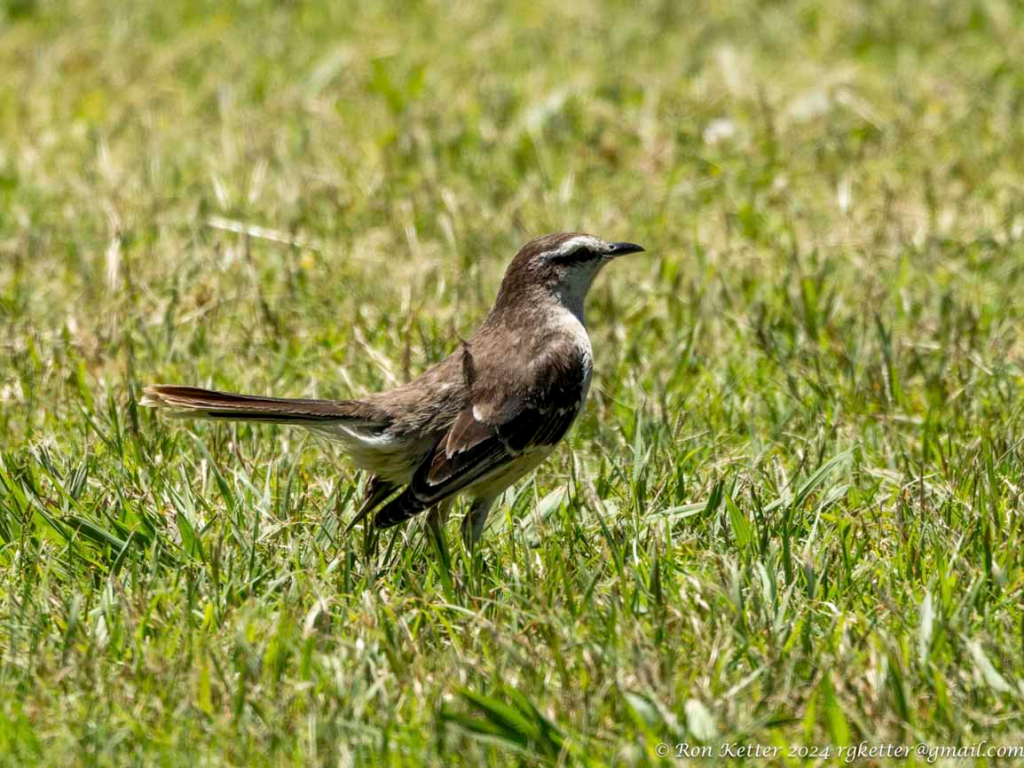
Chalk-browed Mockingbird
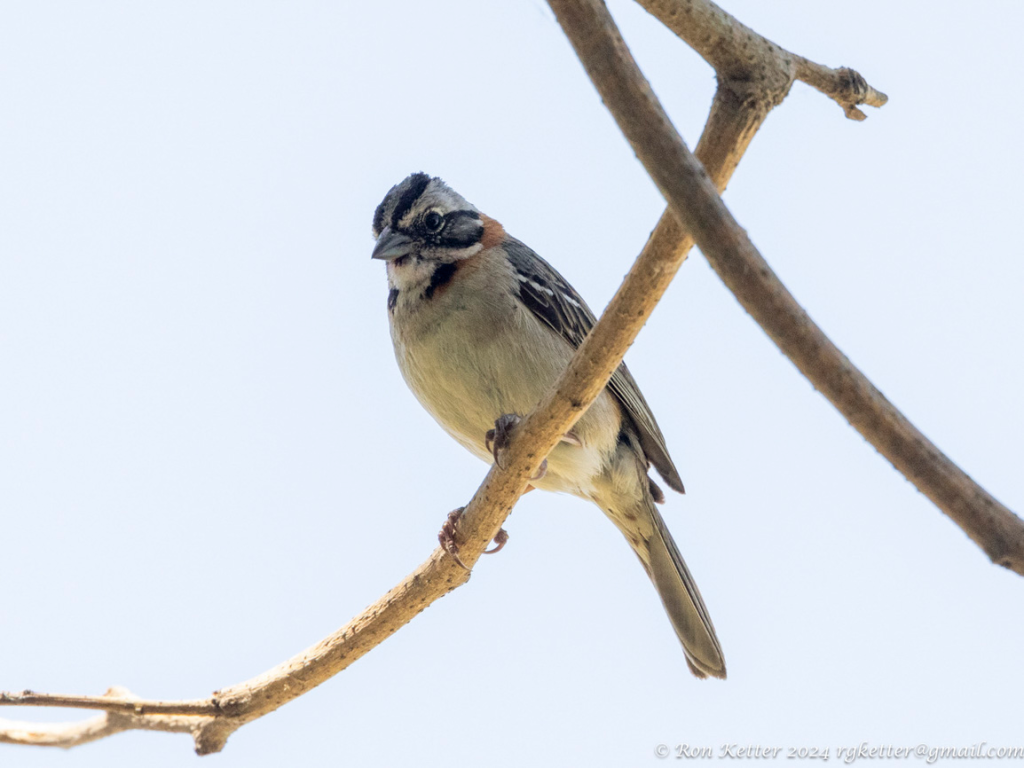
Rufous-collared Sparrow
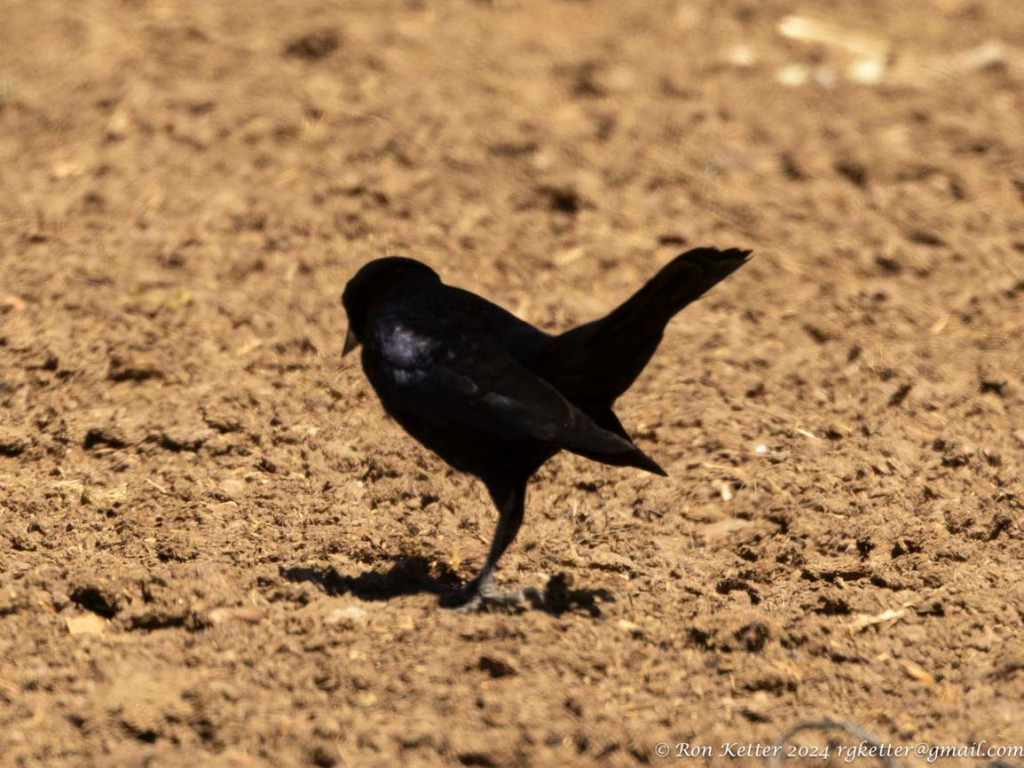
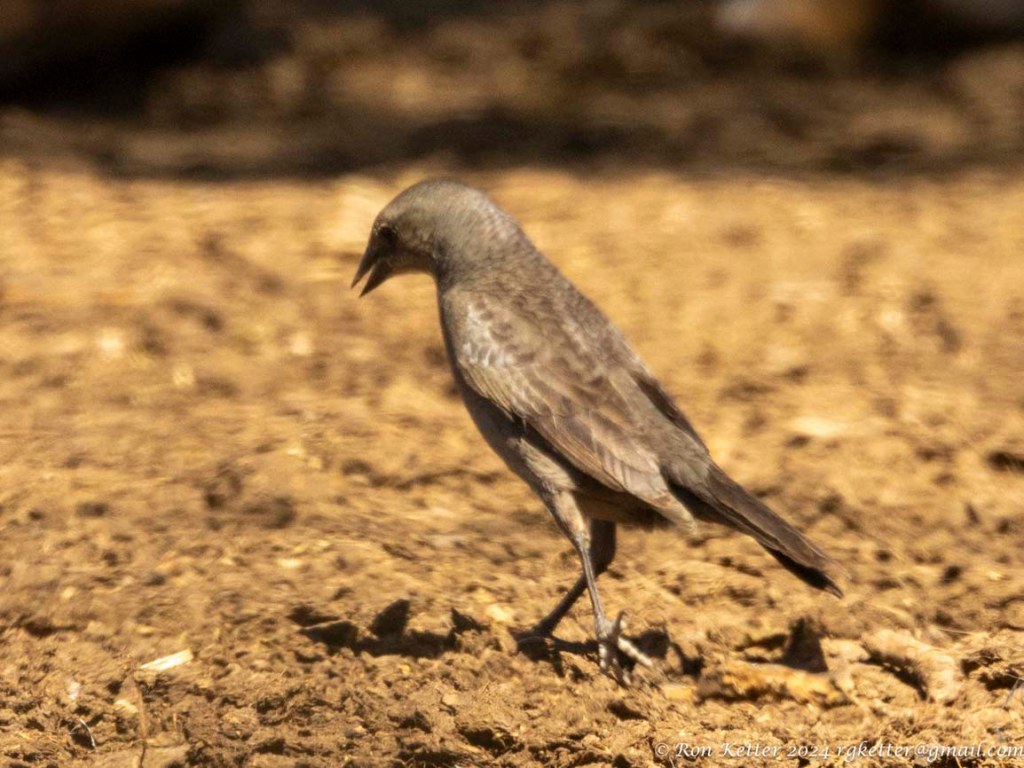
Shiny Cowbird
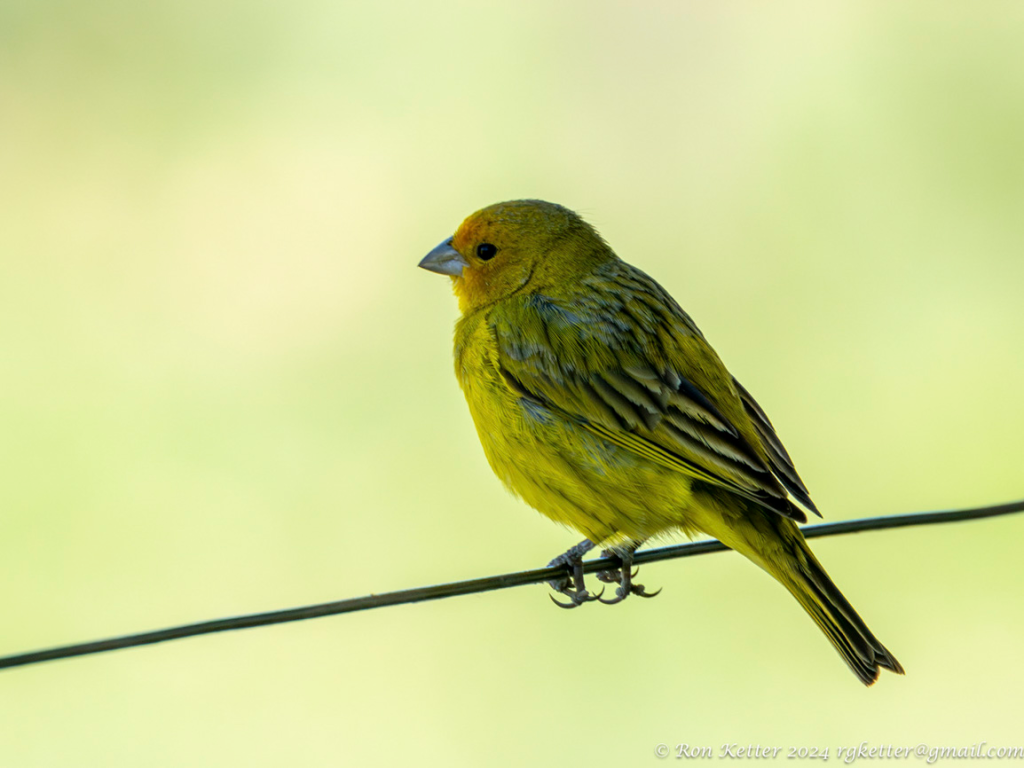
Saffron Finch
Ushuaia
On Wednesday, December 4, we flew from Buenos Aires to Ushuaia, about a 3 hour flight. Ushuaia is the southernmost city in South America on the tip of Tierra del Fuego, on the north shore of the Beagle Channel. It was cold and rainy when we landed, and had snowed the previous night. We had a few flurries on our drive from the airport to the hotel. After checking into the hotel, Nikki did a lecture on Antarctica and we had a group dinner. The next morning, I awoke early (around 4 am, at first light). I was out by 5 am and walked down to the waterfront, about 2 blocks from our hotel. There was a trial along the water and around some wetlands. I spent about 2.5 hours birding that morning before returning to the hotel for breakfast. We boarded a bus and spent the rest of the morning at Tierra del Fuego National Park. After returning, around 1:30 pm, we had a group lunch and then had free time until Friday after lunch.
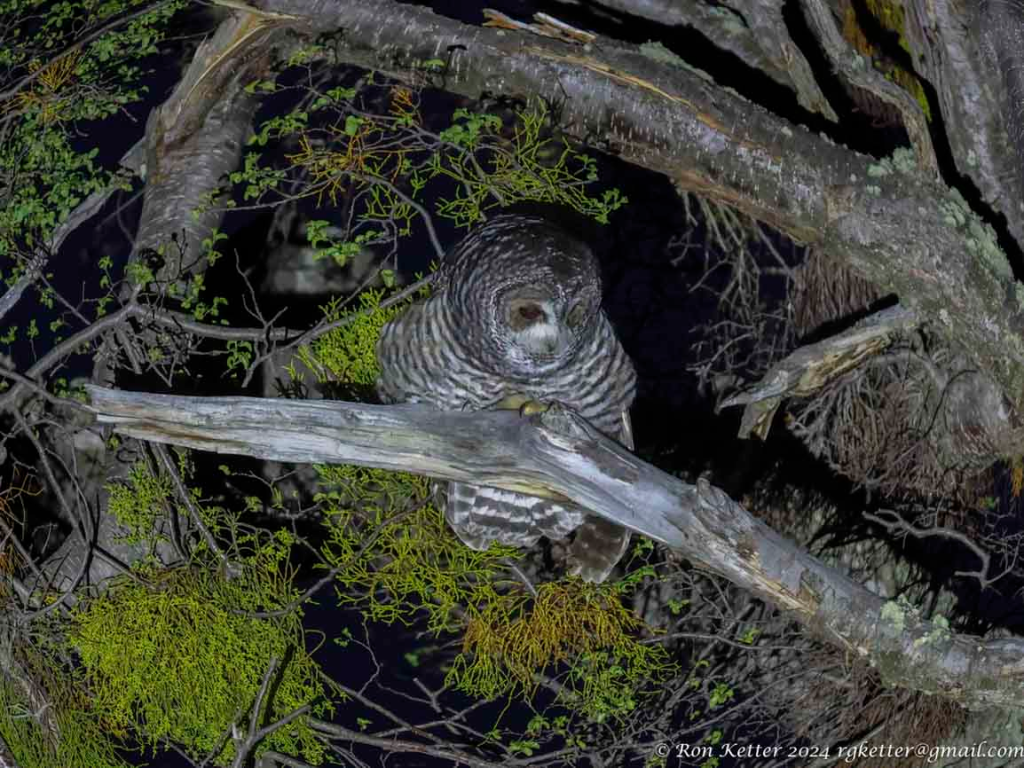
I arranged to hire a local bird guide, Luciano Matthieu, who picked us up at 3 pm. We spent four hours birding in and around Ushuaia. We returned to the hotel and found a place for dinner, where Janet had mussels and I had the local King or Spider Crab. Luciano picked me up around 10 pm (Janet opted not to go) to take me to a location where a pair of Rufous-legged Owls were nesting.
The next morning, Luciano’s partner picked us up for some more birding, including a trip to the local landfill in search of White-throated Caracaras.
Our time spent birding in Ushuaia was productive, seeing 52 species including 36 lifers. I was able to photograph 36 species, some of which are shown below.
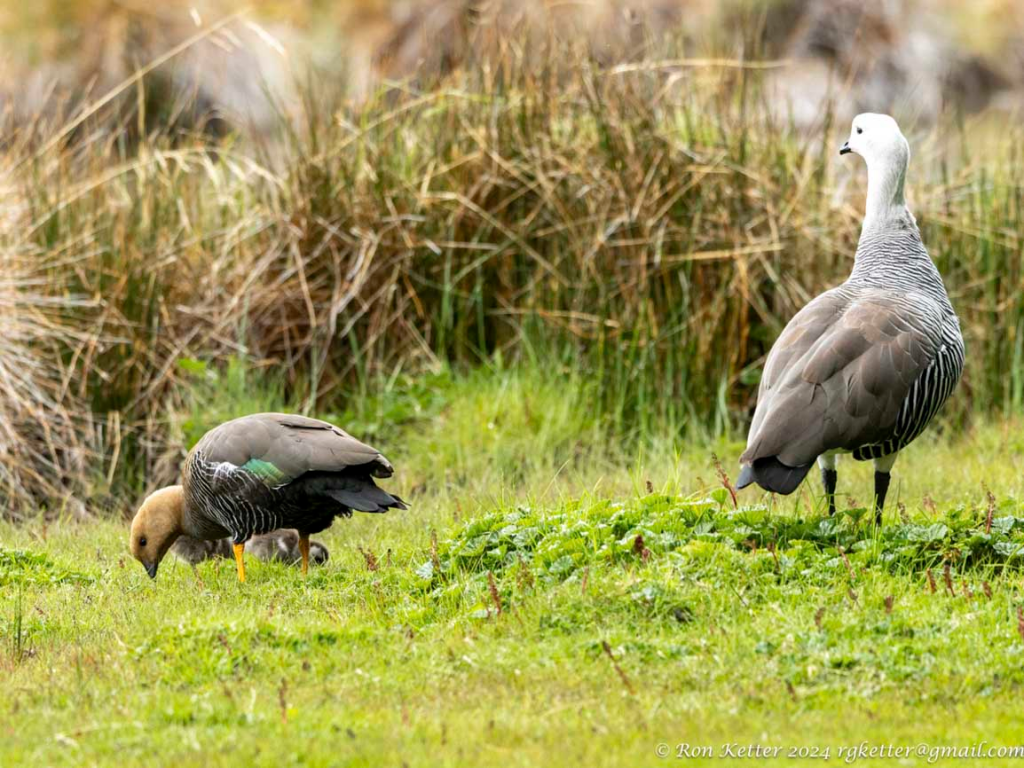
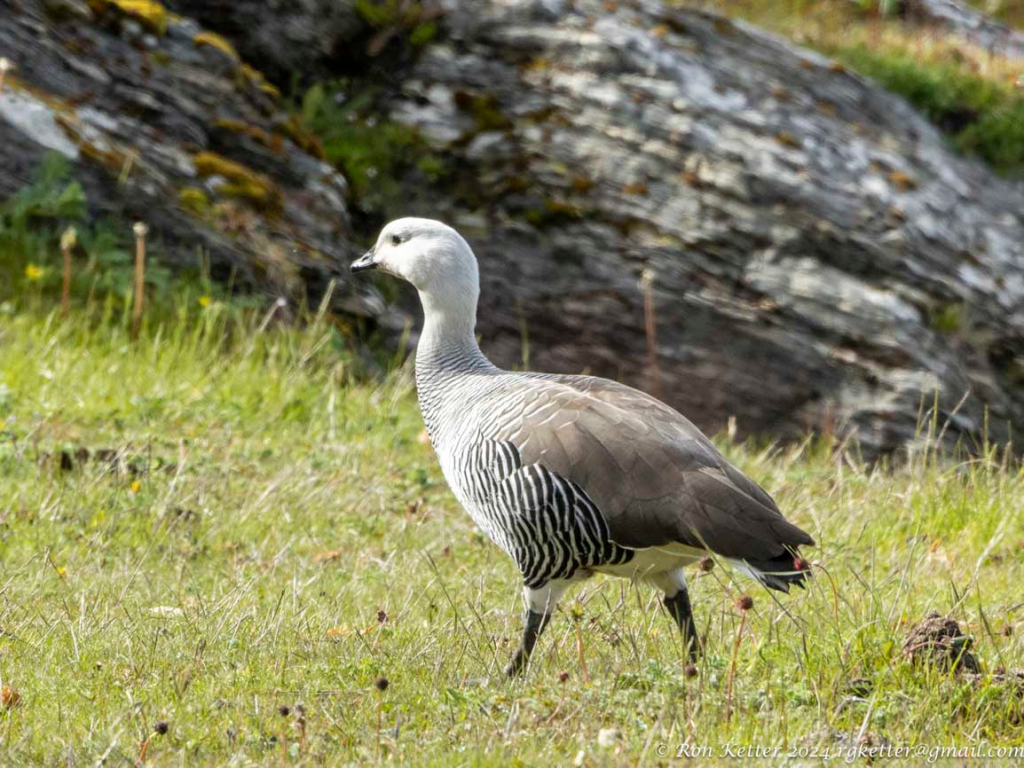
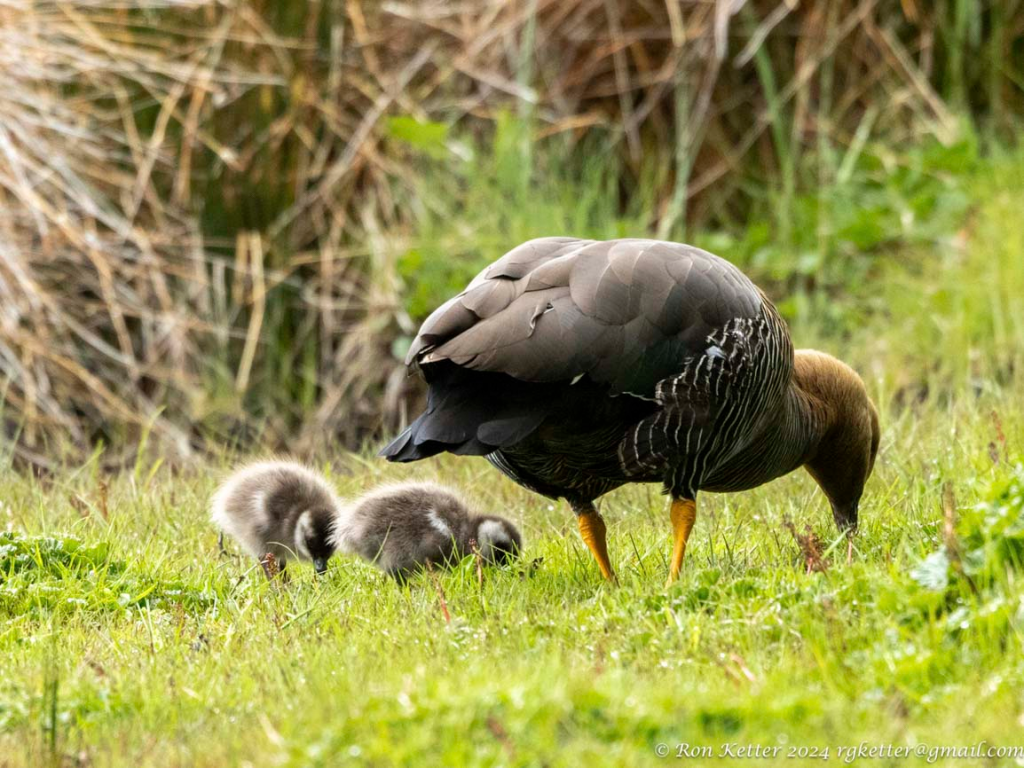
Upland Goose
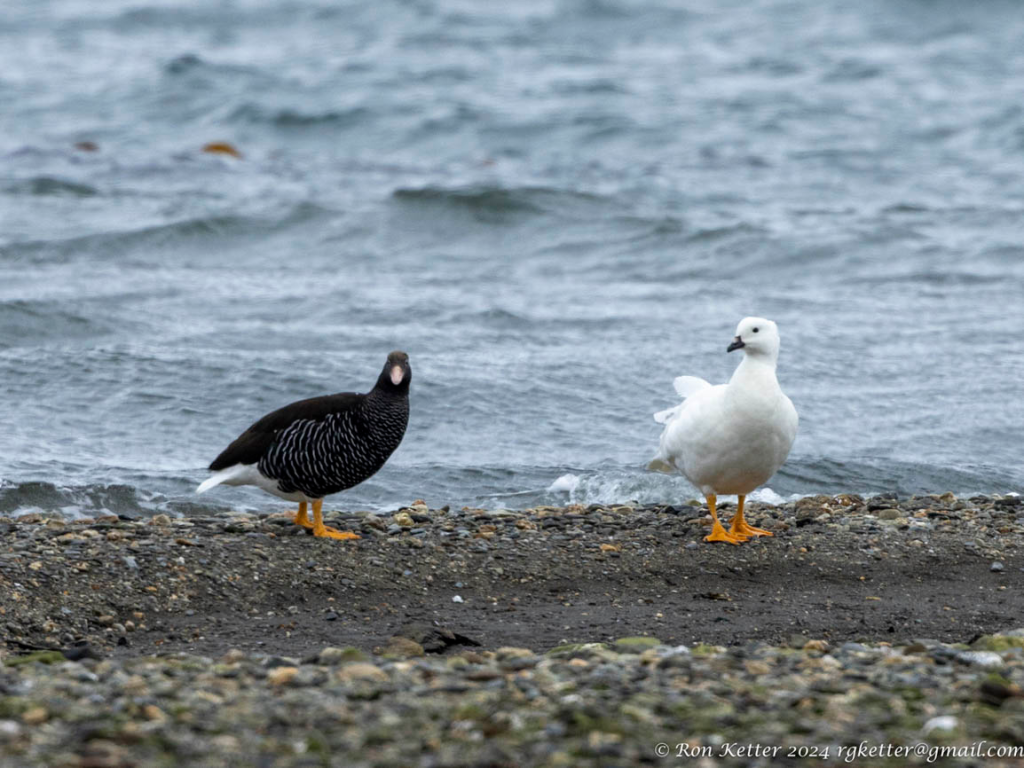
Kelp Goose
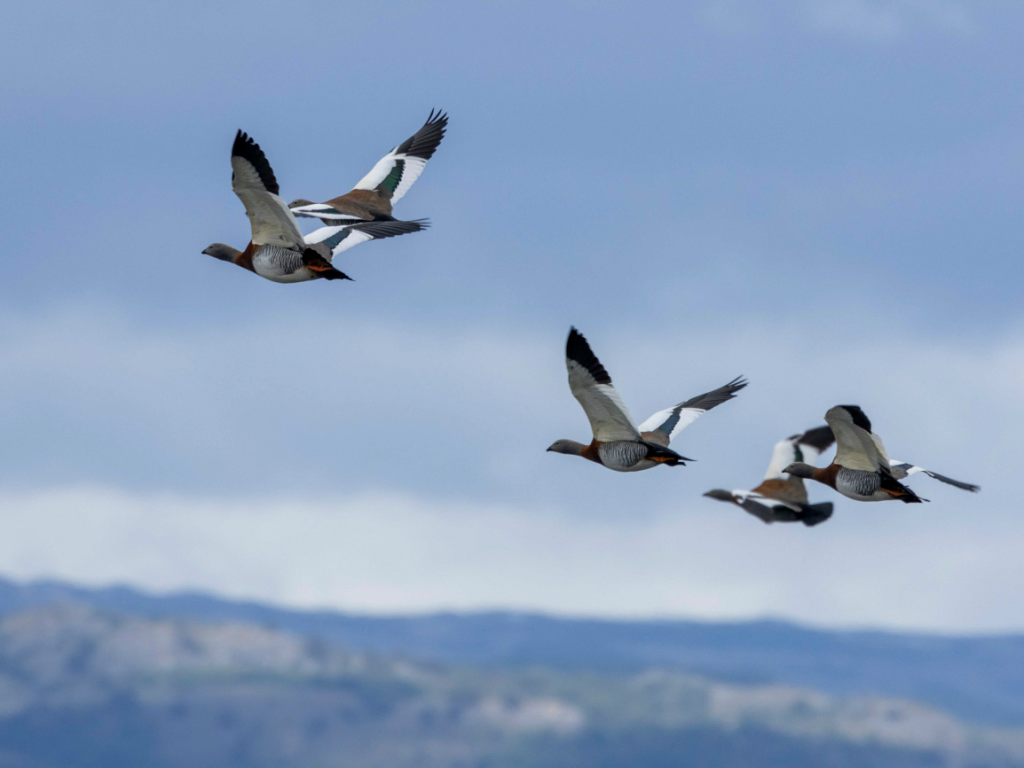
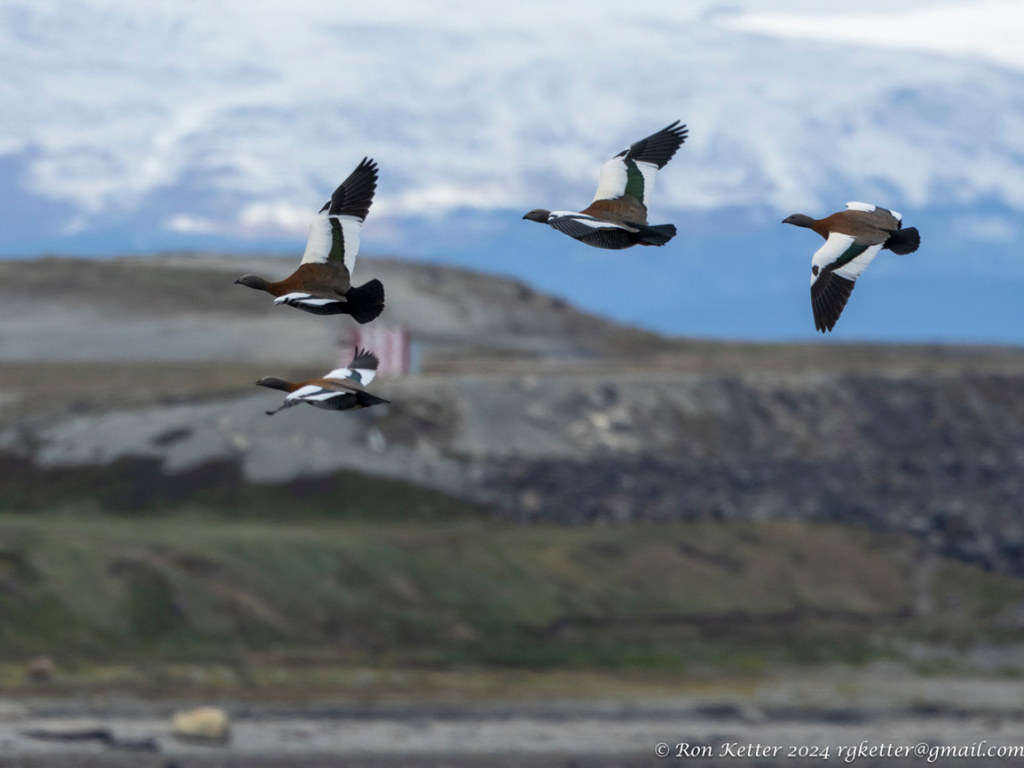
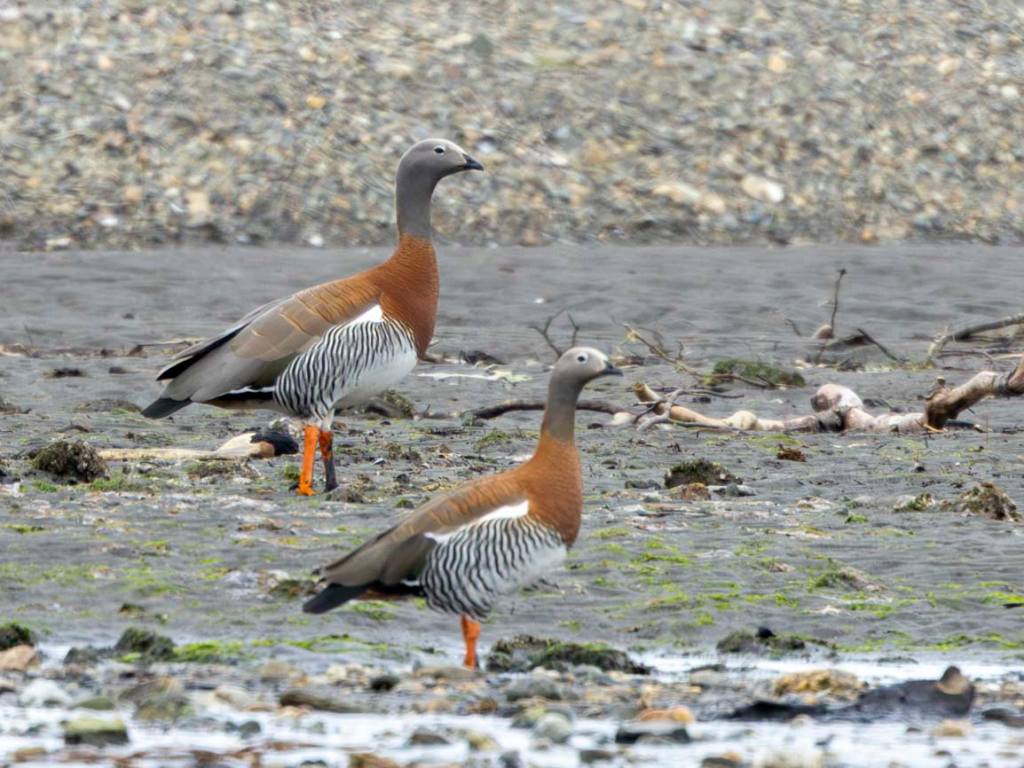
Ashy-headed Goose
Flying Steamer Duck
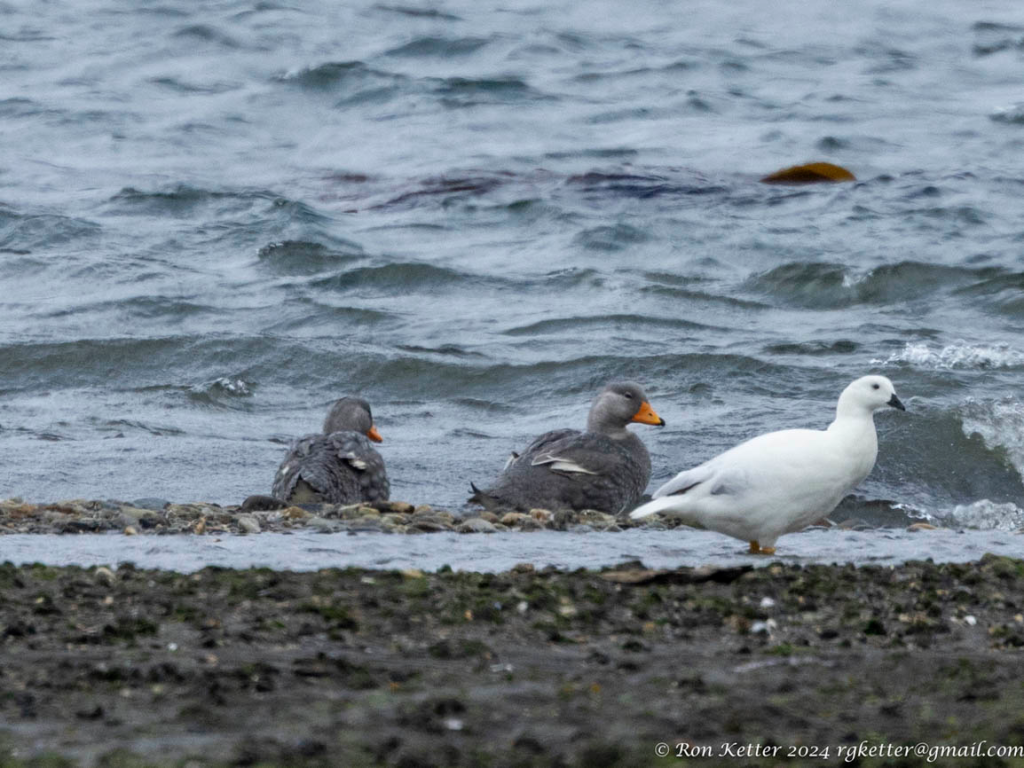
Flightless Steamer Duck
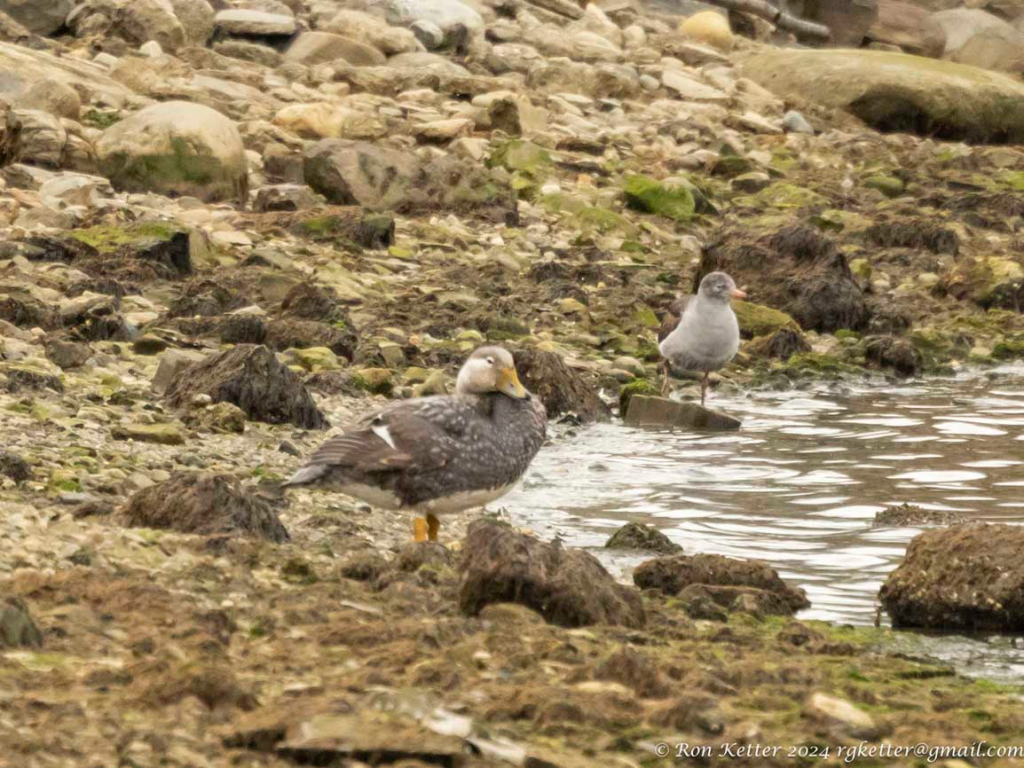
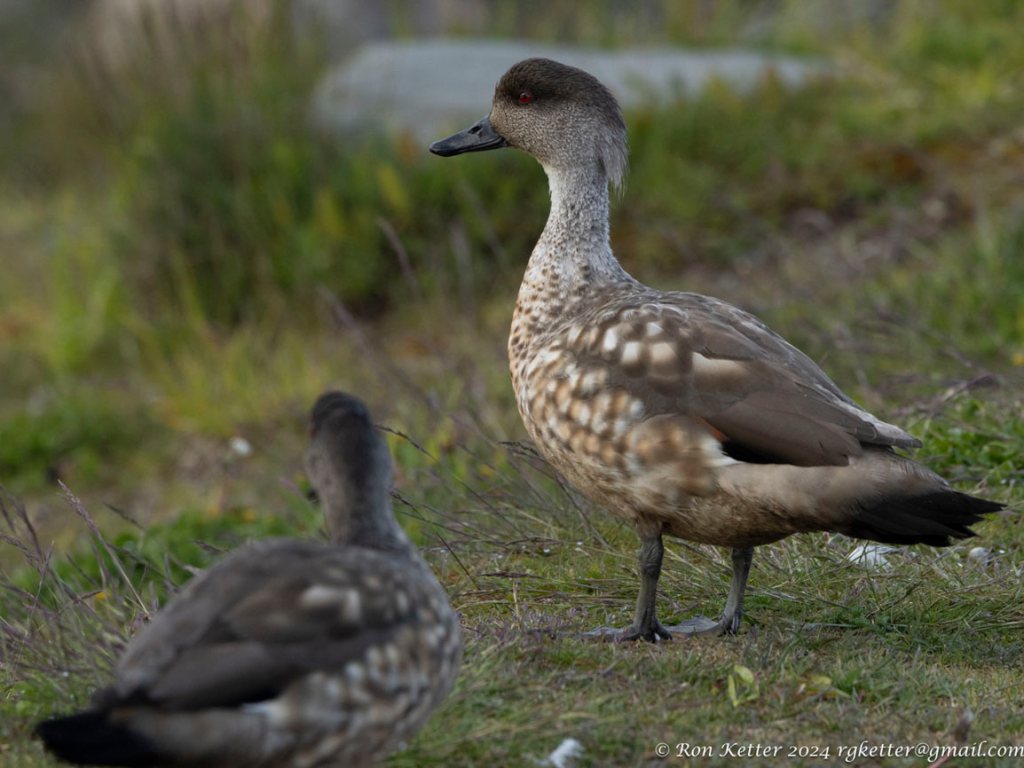
Crested Duck
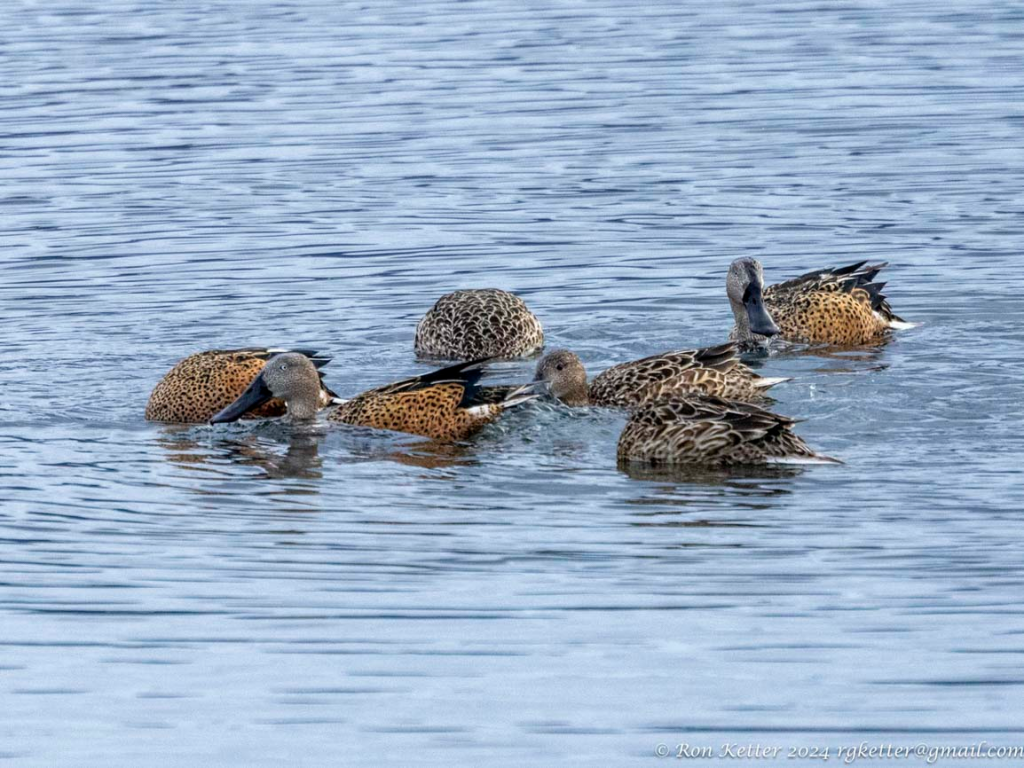
Red Shoveler
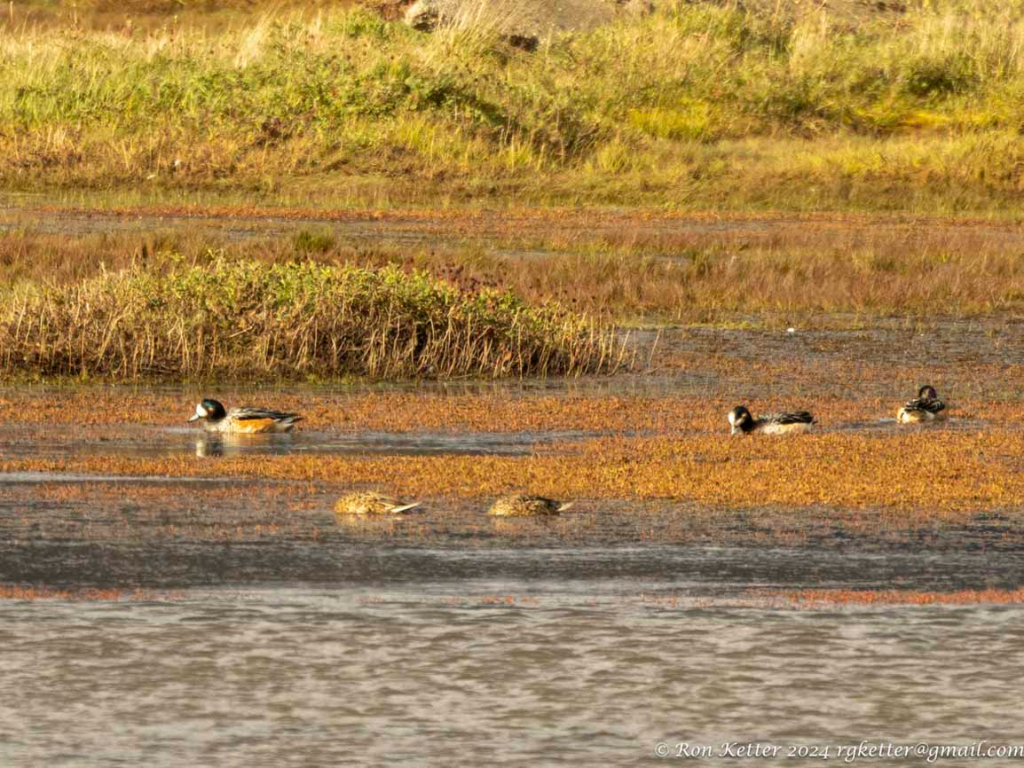
Chloe Wigeon
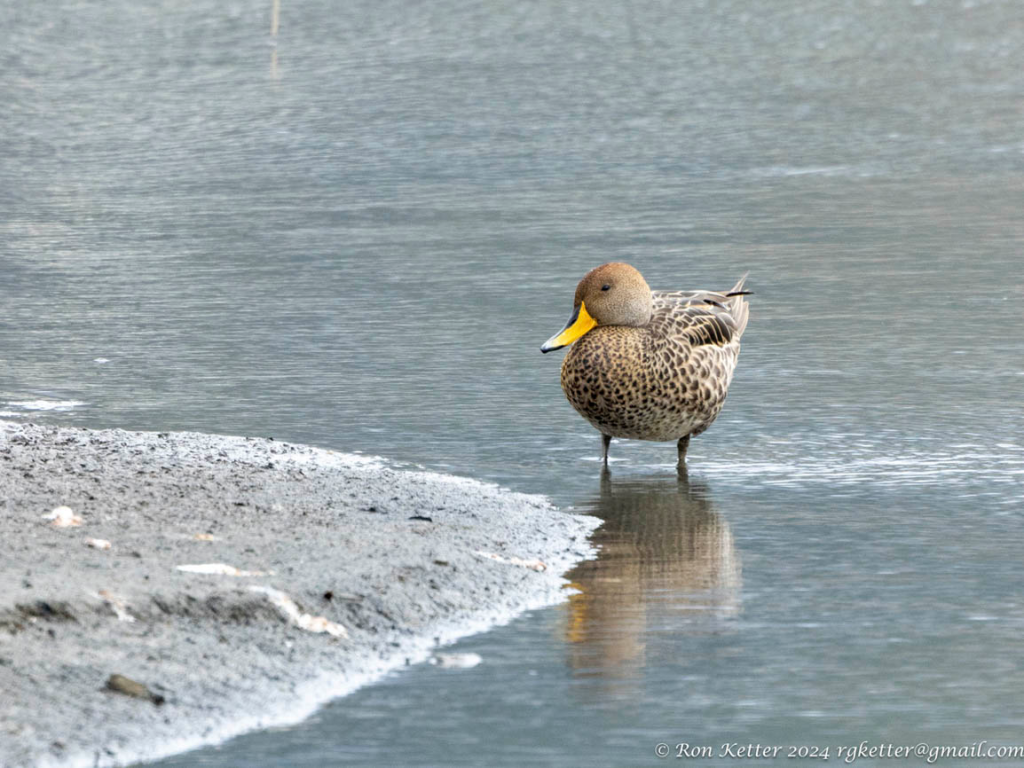
Yellow-billed Pintail
Yellow-billed Teal
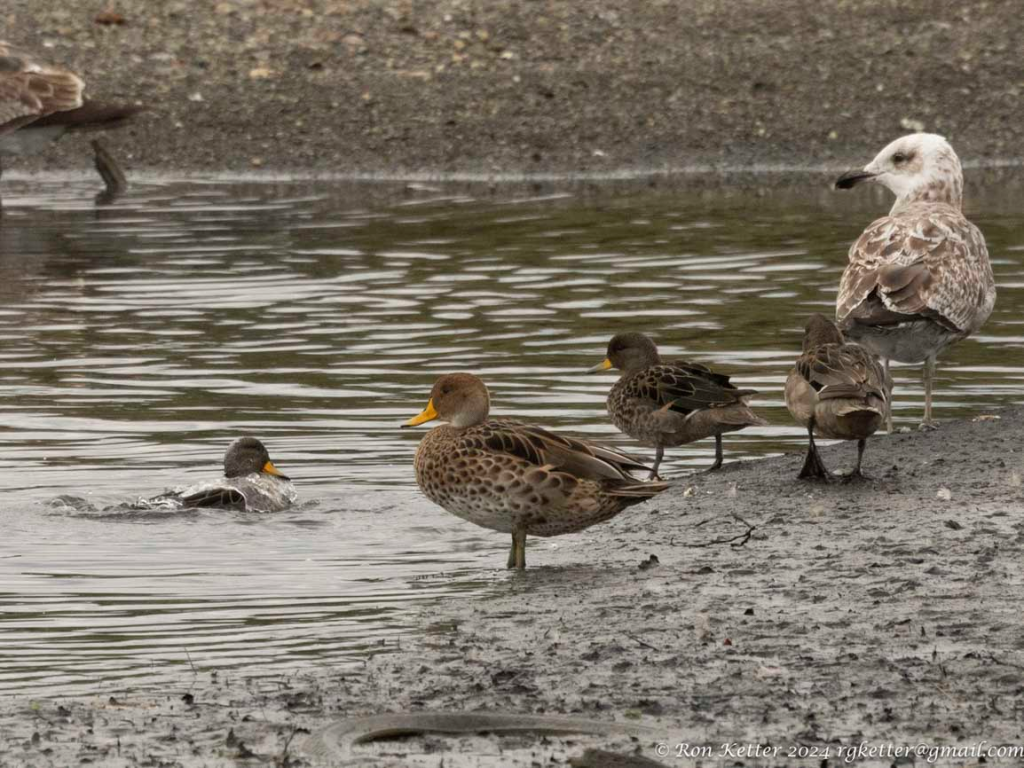
Blackish Oystercatcher
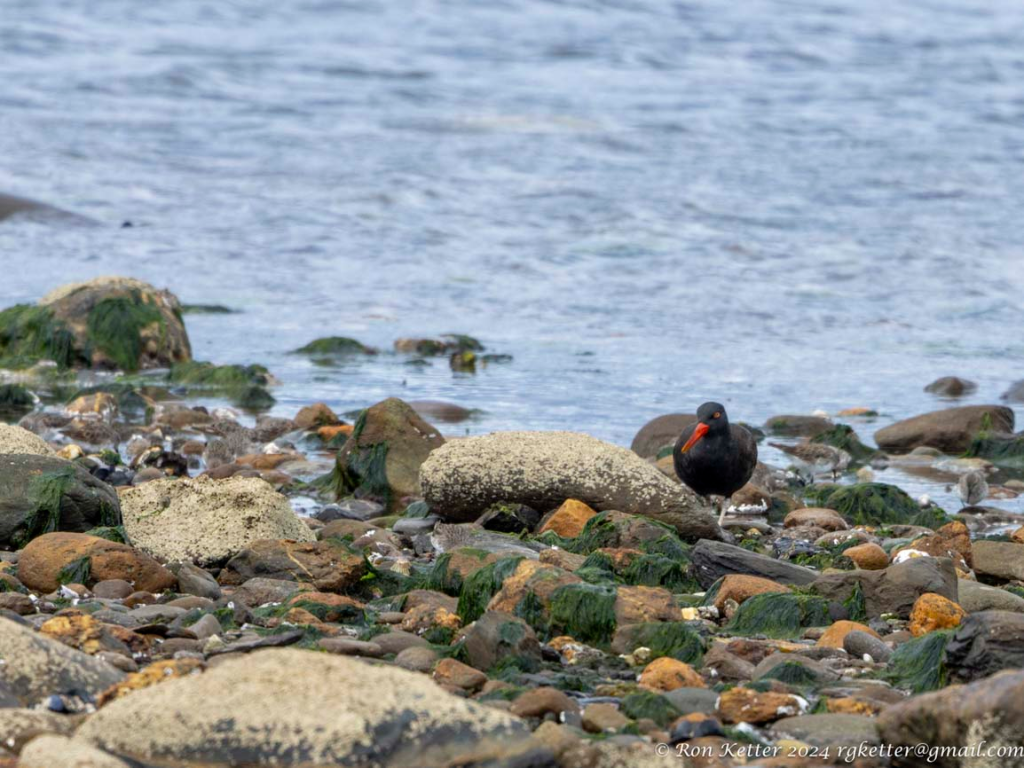
Magellanic Oystercatcher
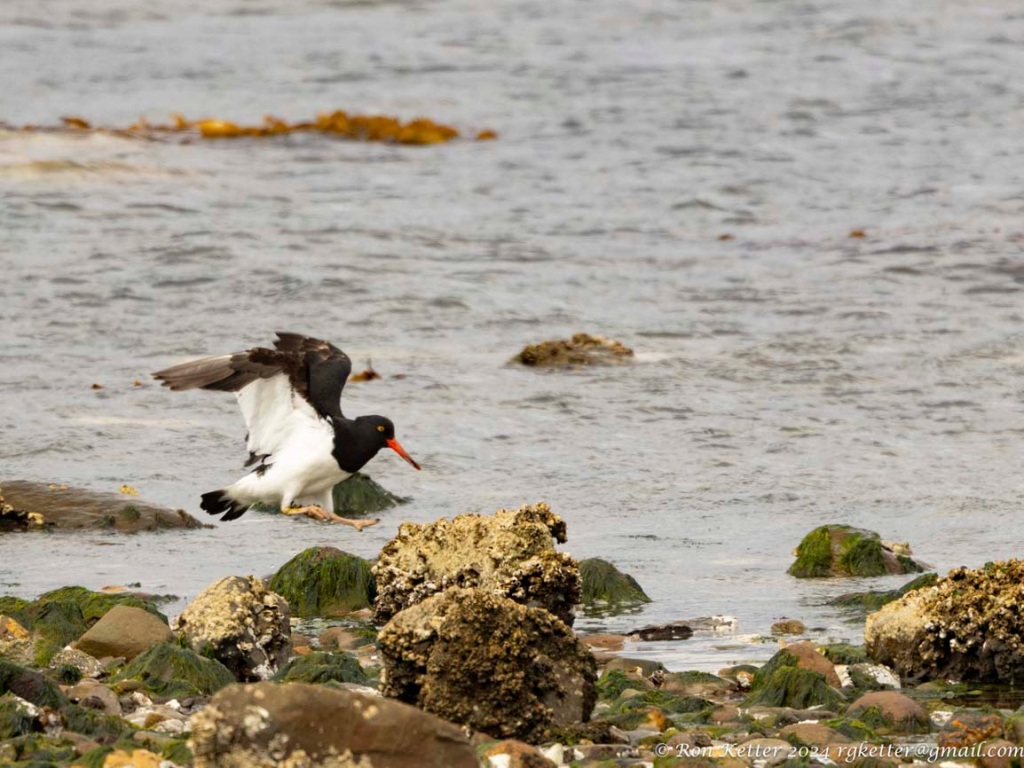
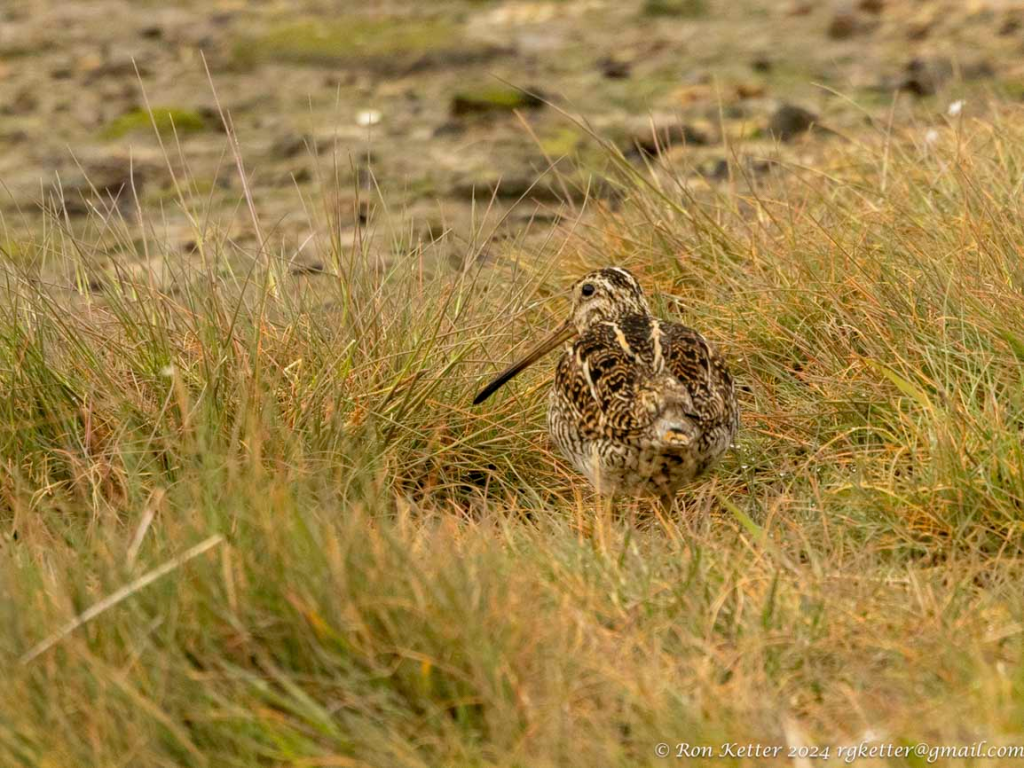
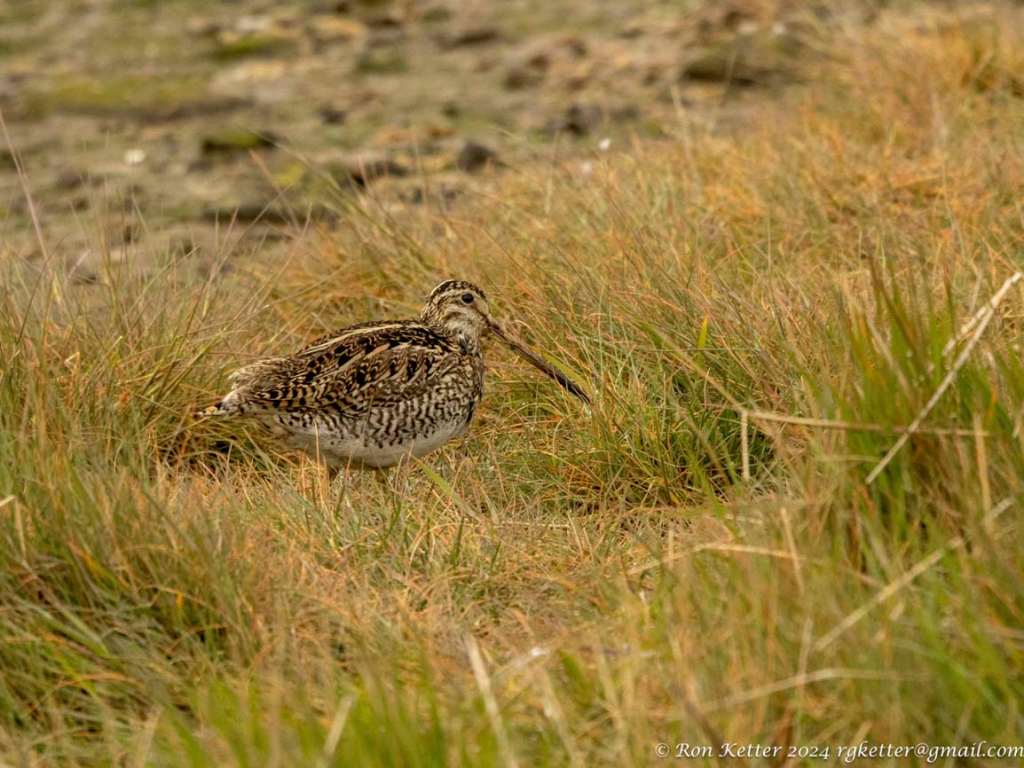
Magellanic Snipe
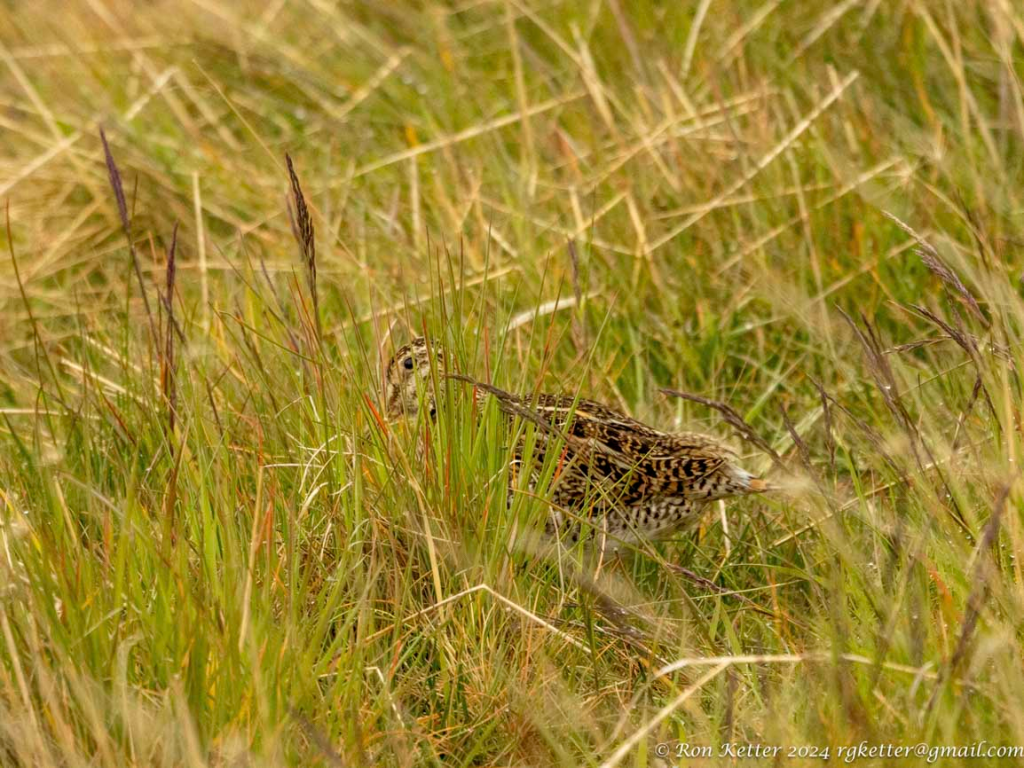
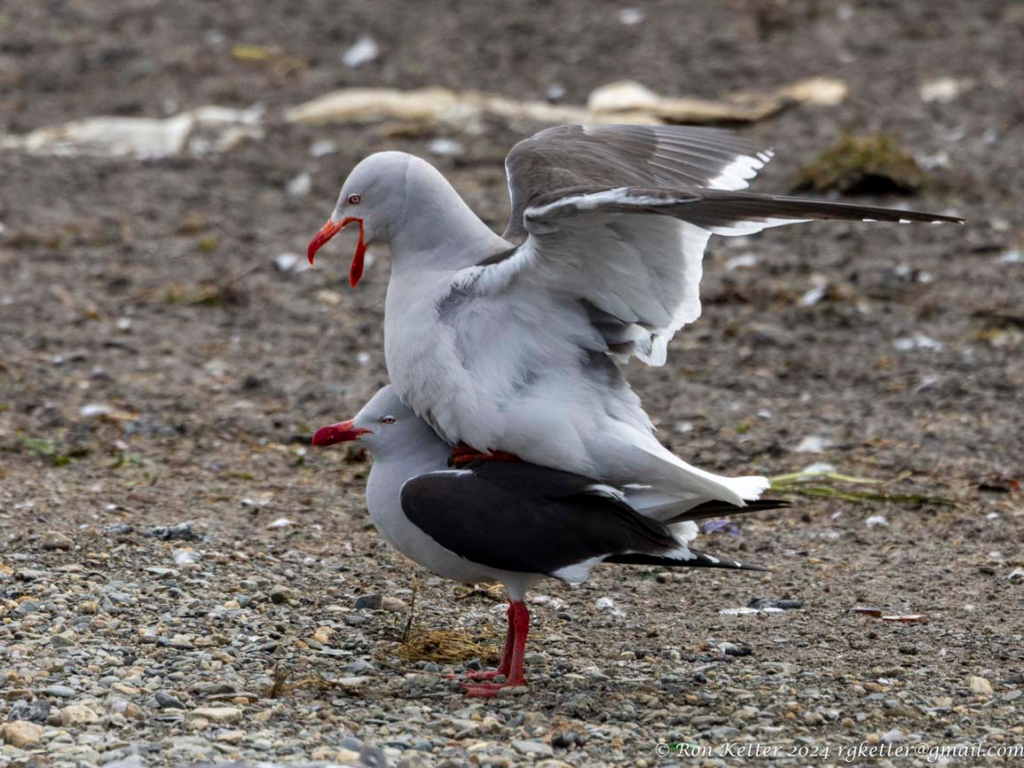
Dolphin Gull
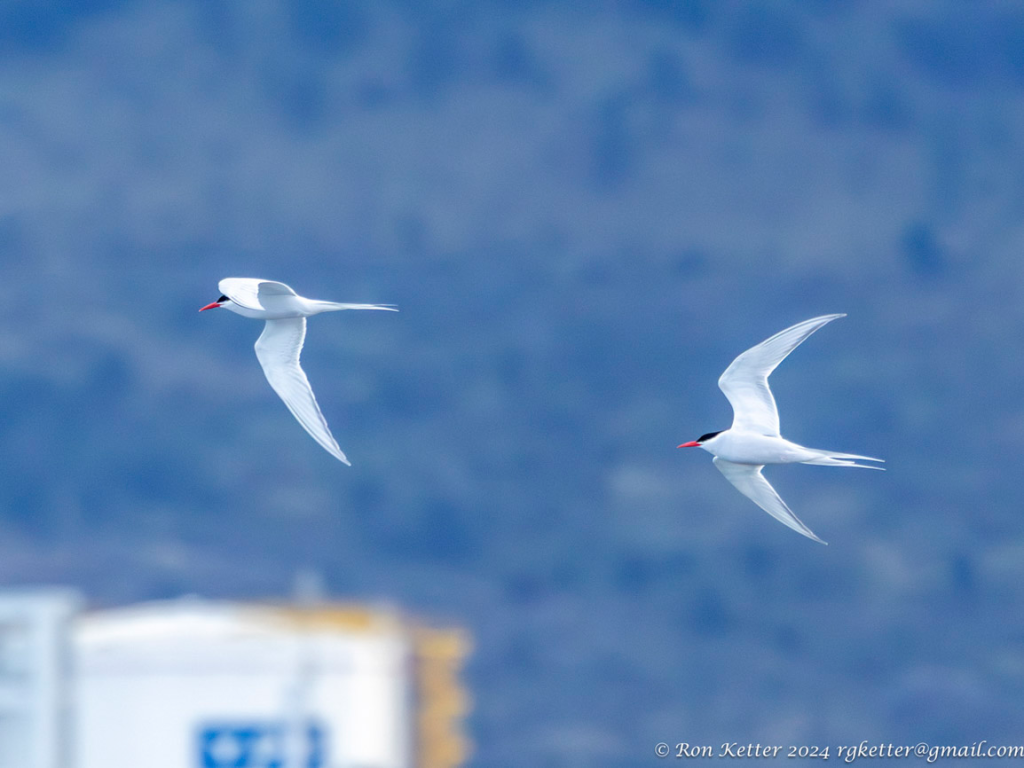
South American Tern
Magellanic Cormorant
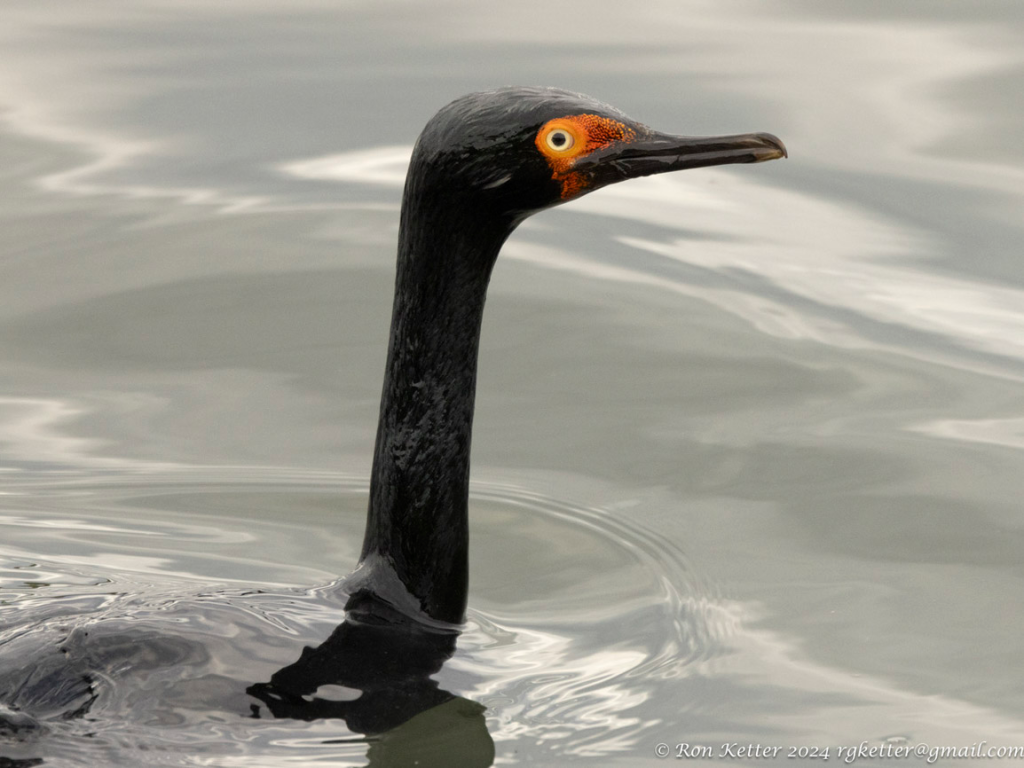
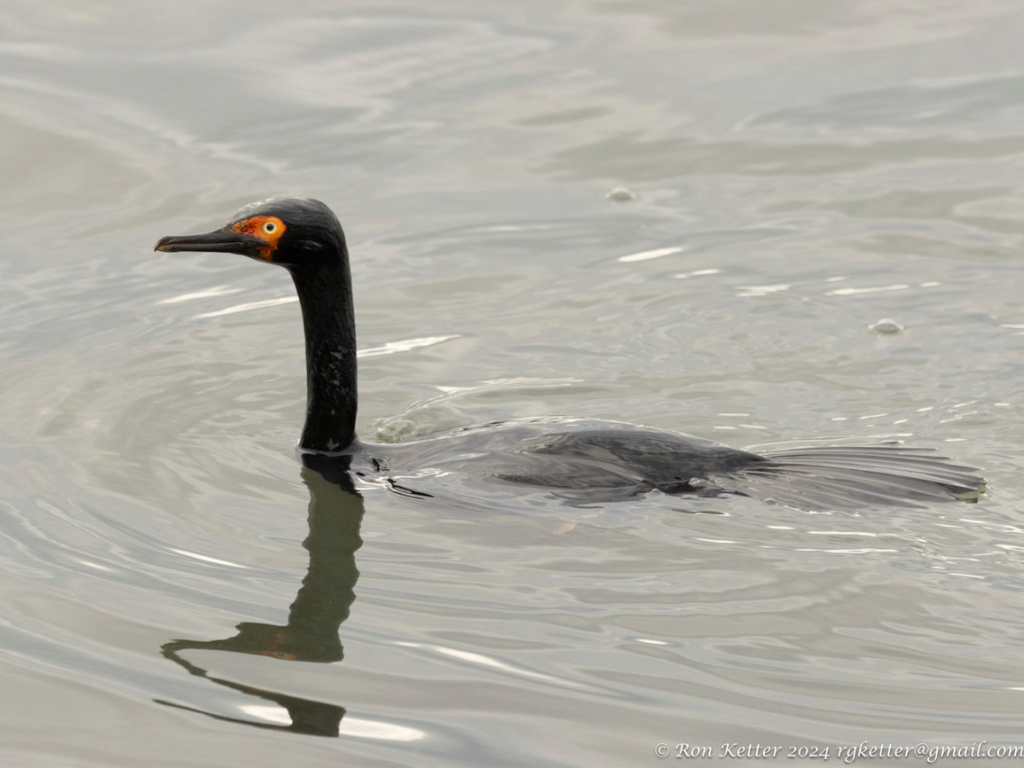
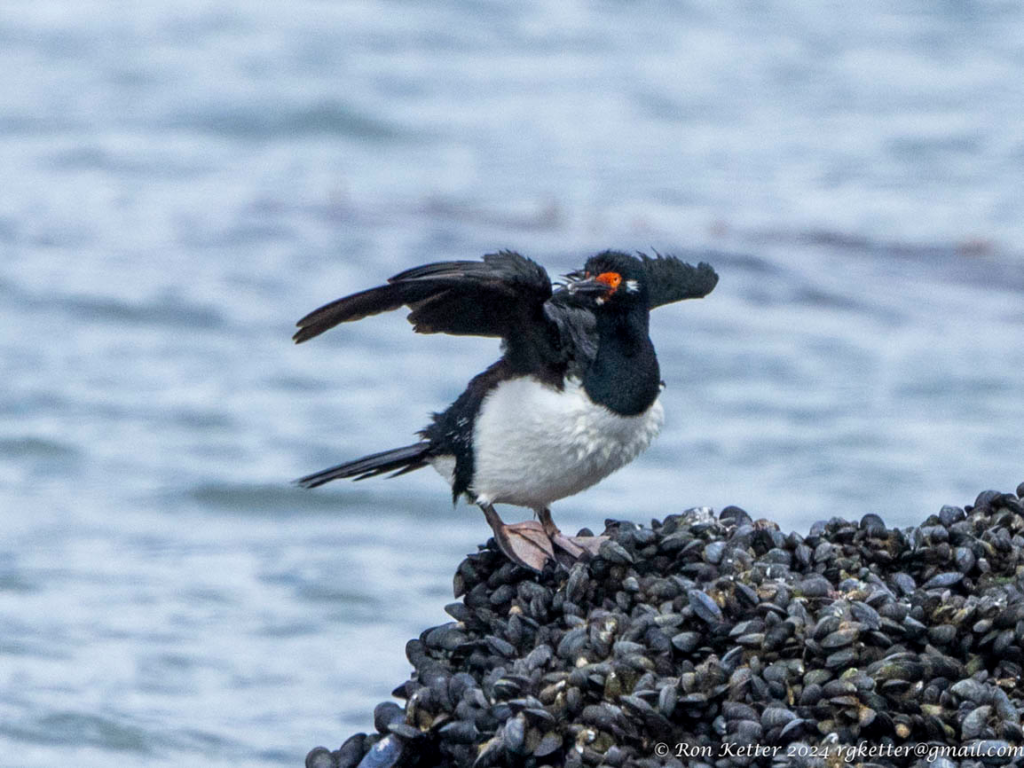
Imperial Cormorant
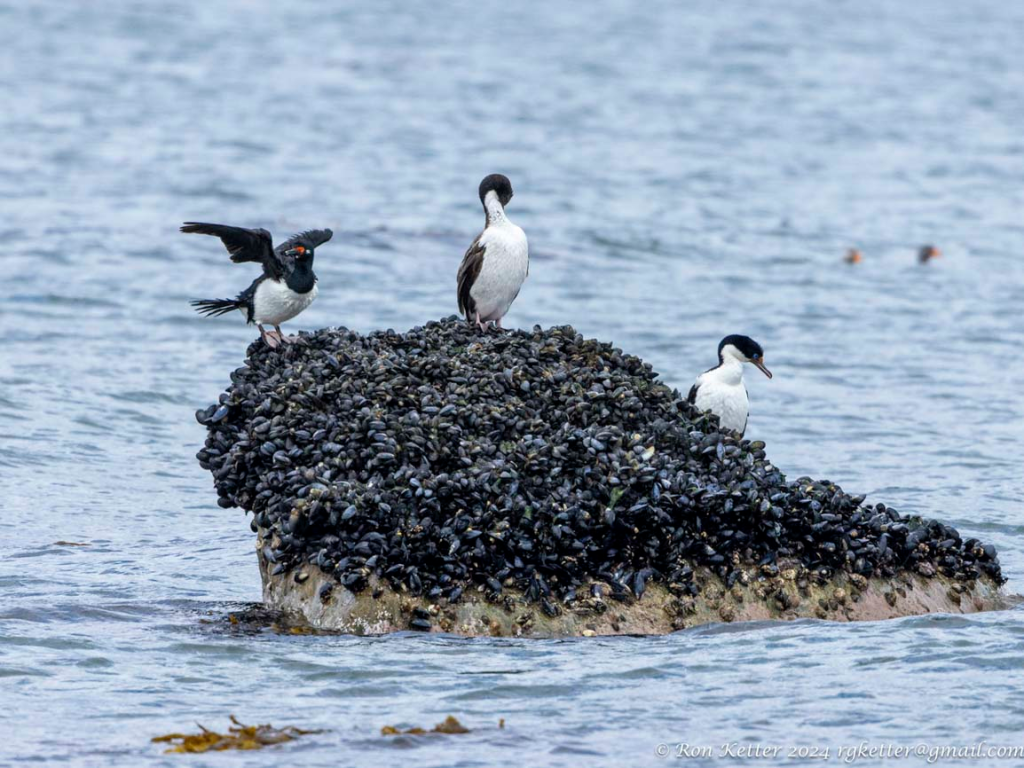
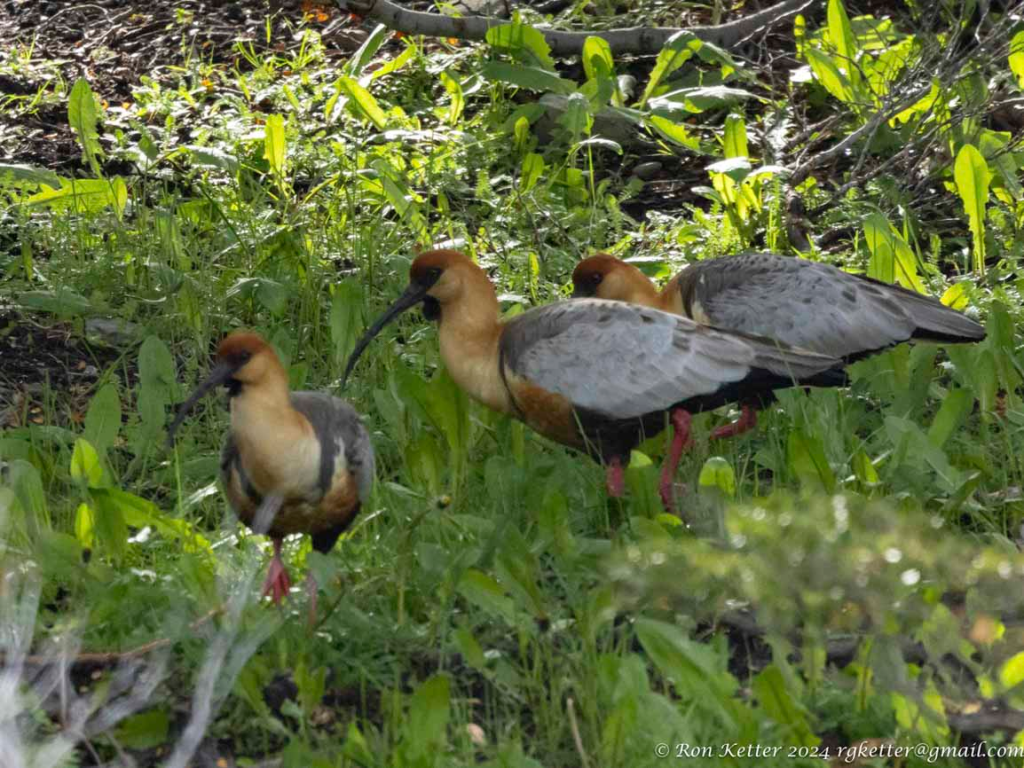
Black-faced Ibis
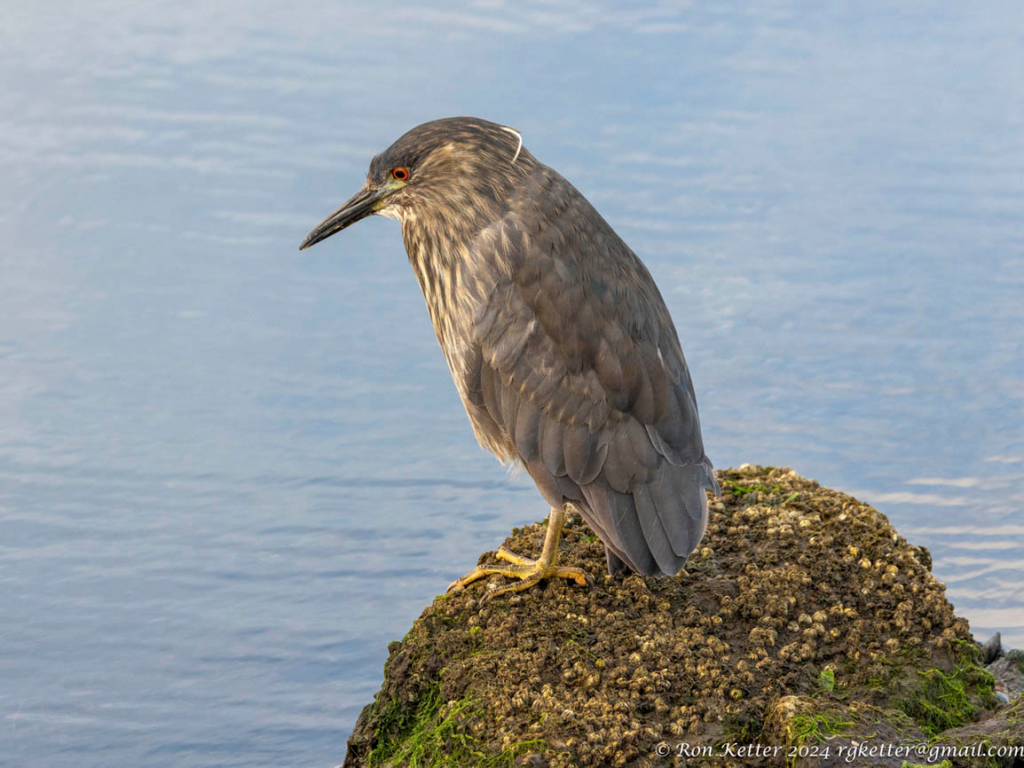
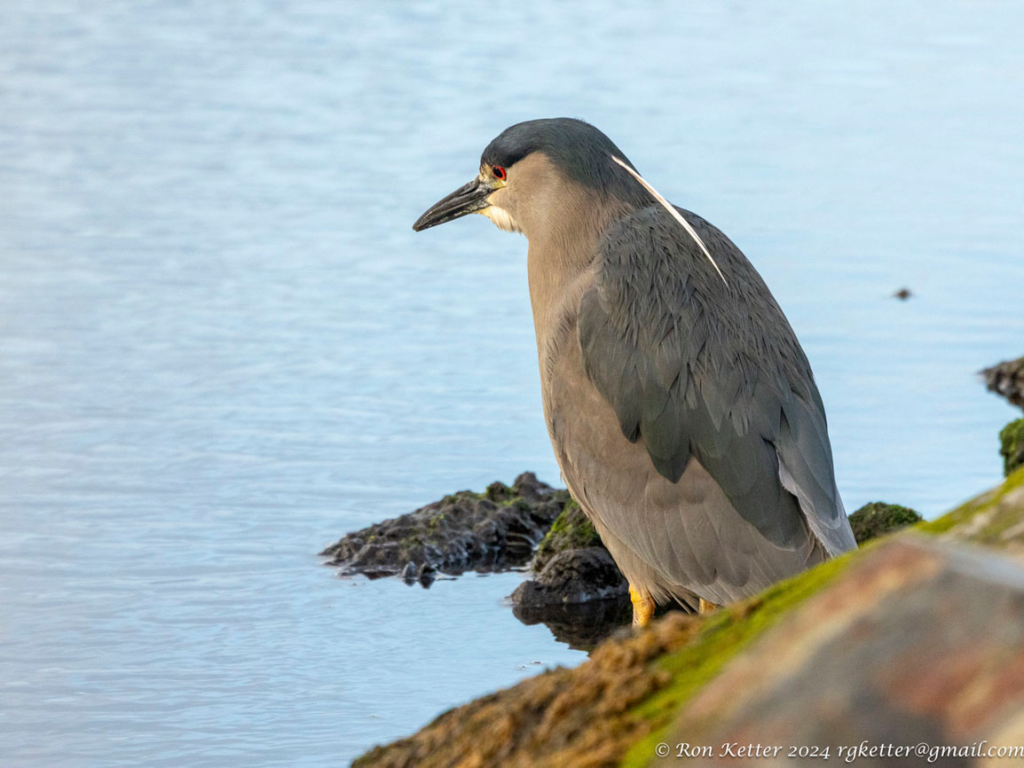
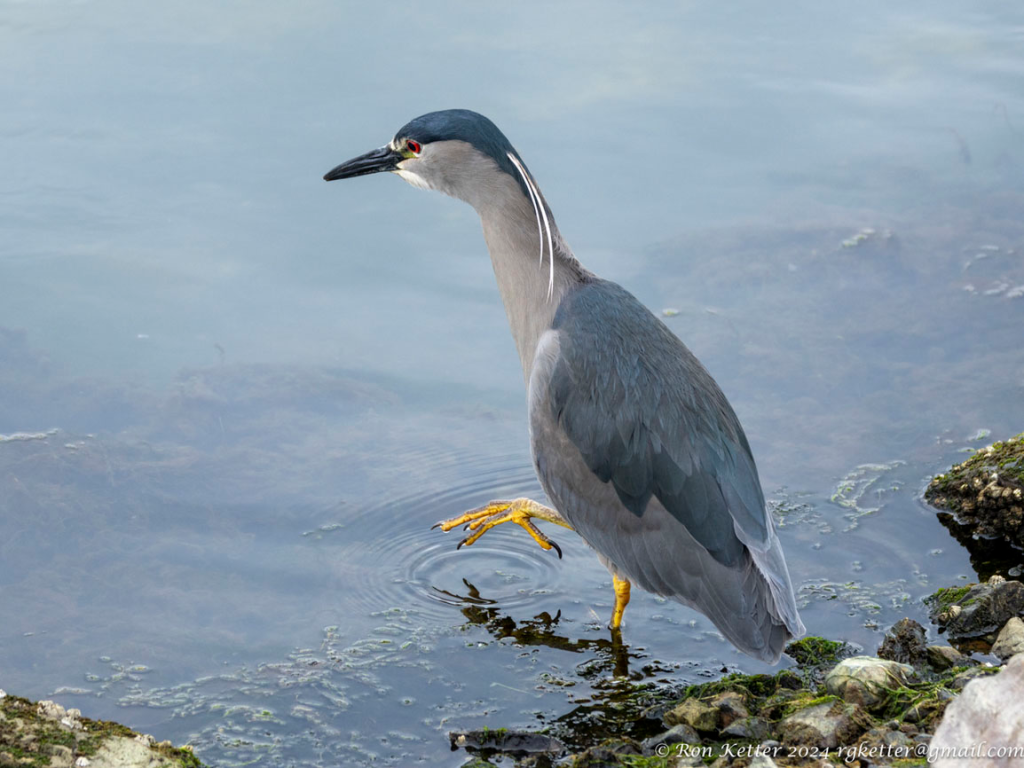
Black-crowned Night-Heron
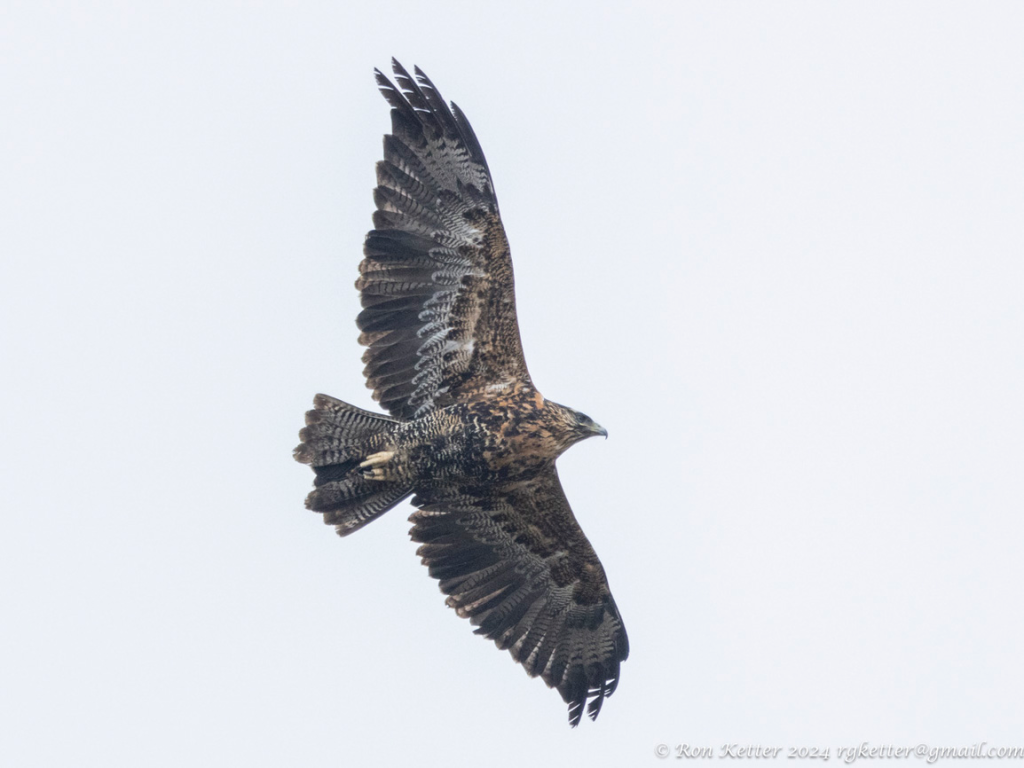
Black-chested Buzzard-Eagle
Rufous-legged Owl
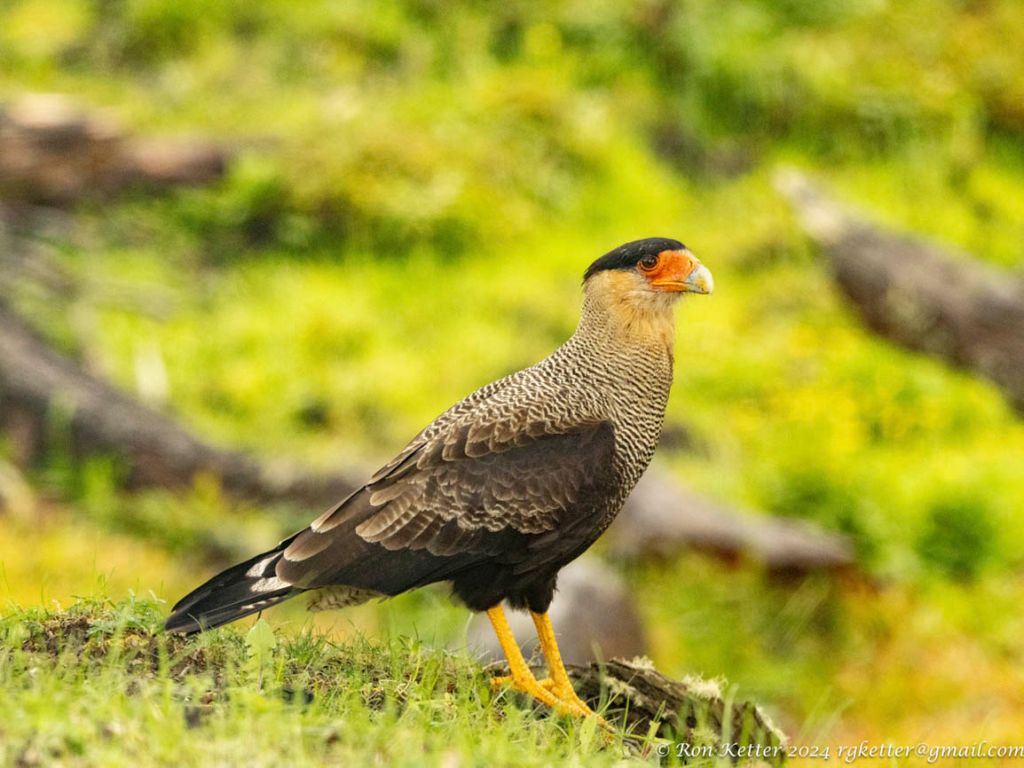
Crested Caracara
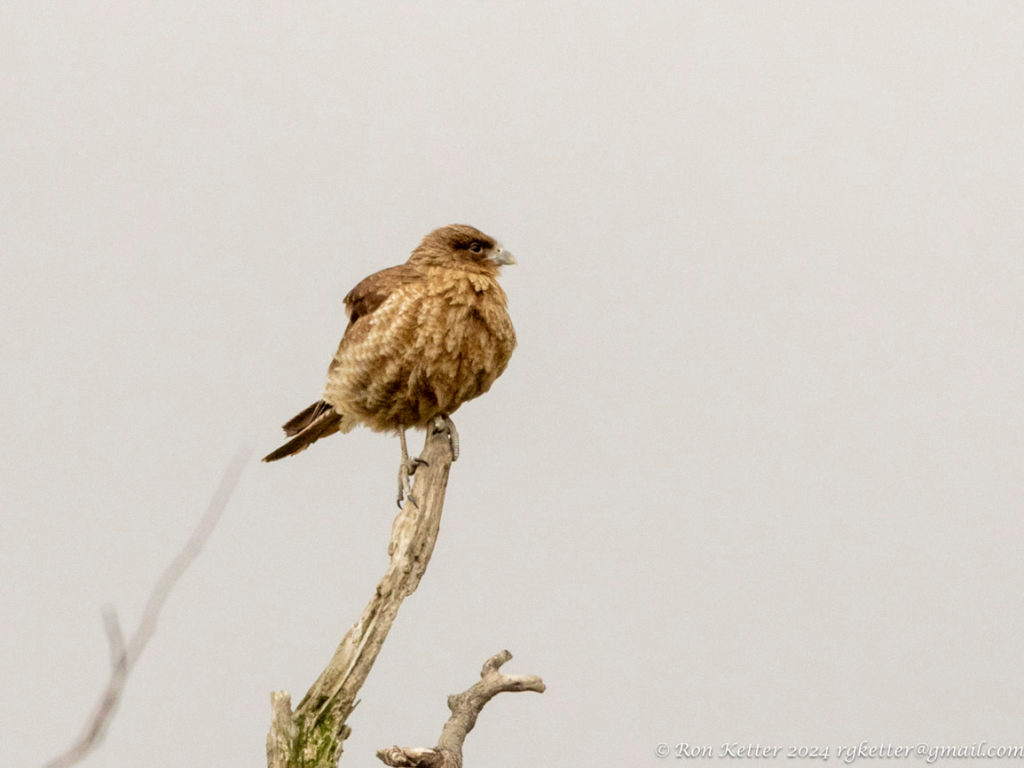
Chimanga Caracara
White-throated Caracara
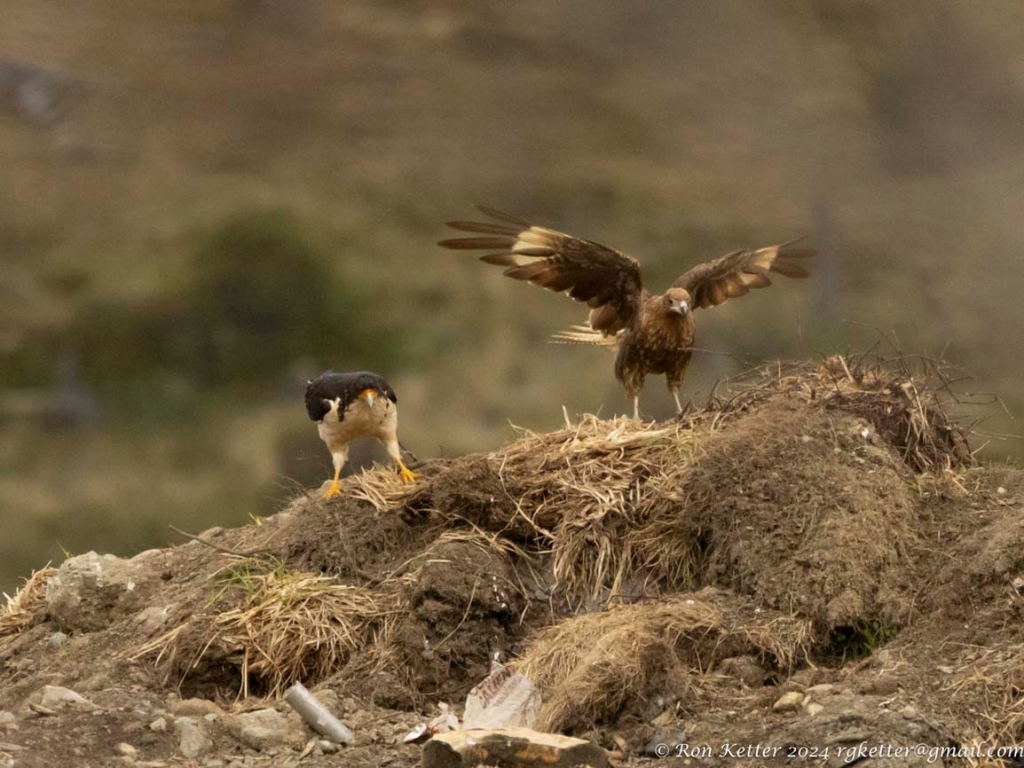
Austral Parakeet
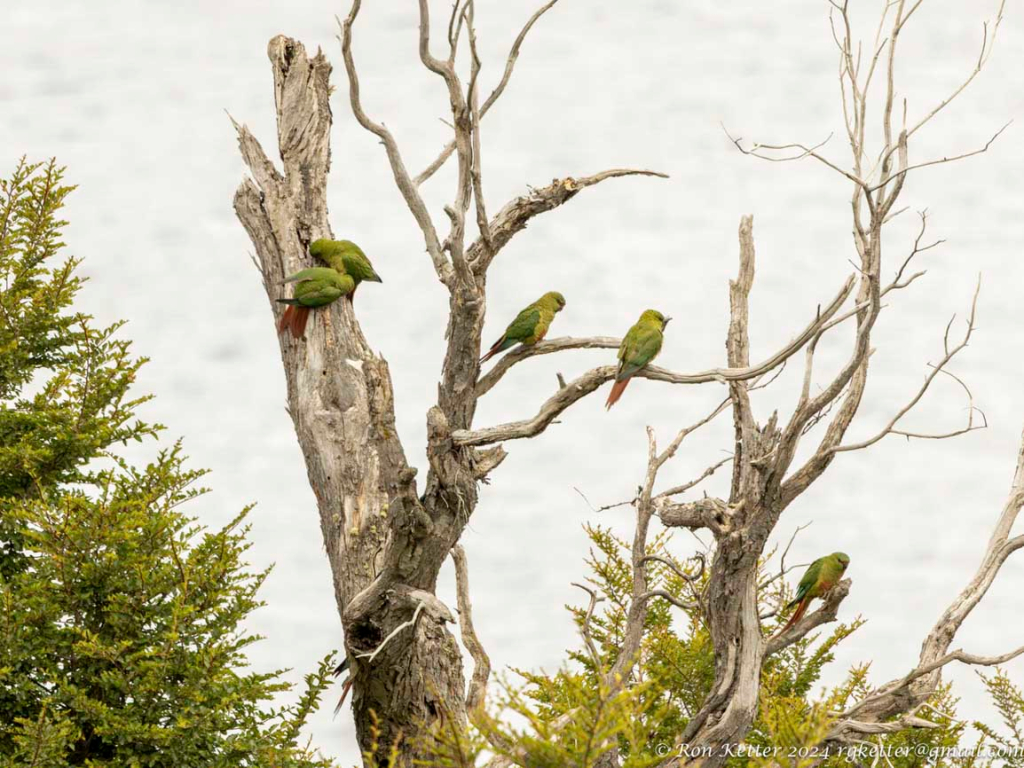
Buff-winged Cinclode
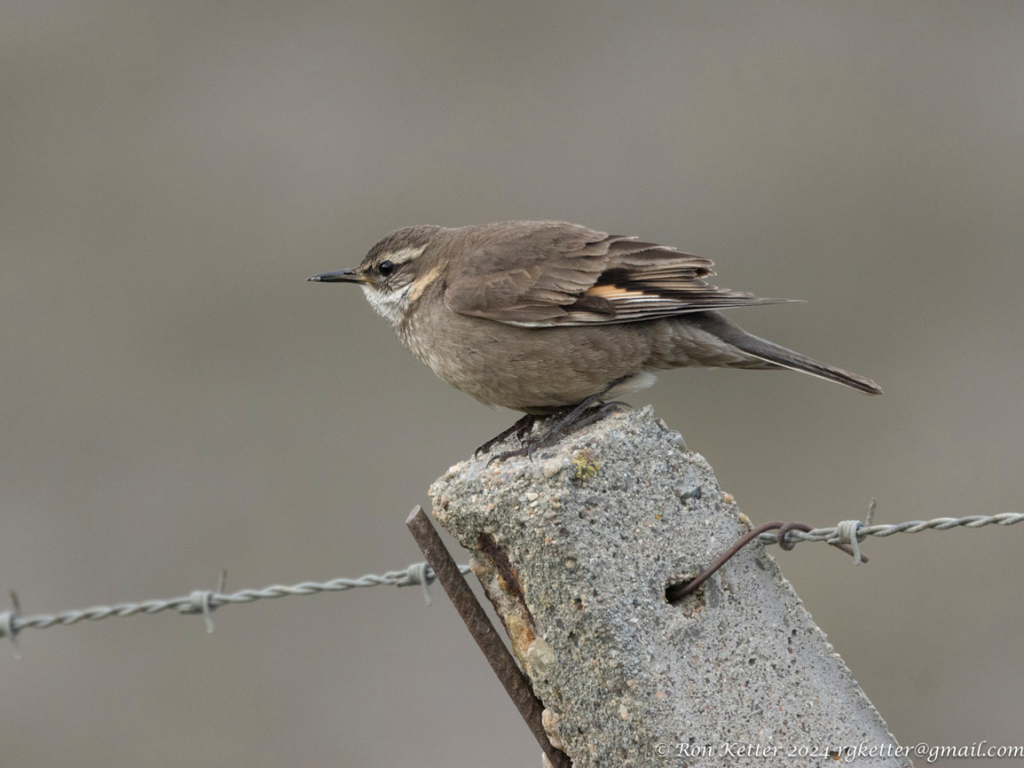
Dark-bellied Cinclodes
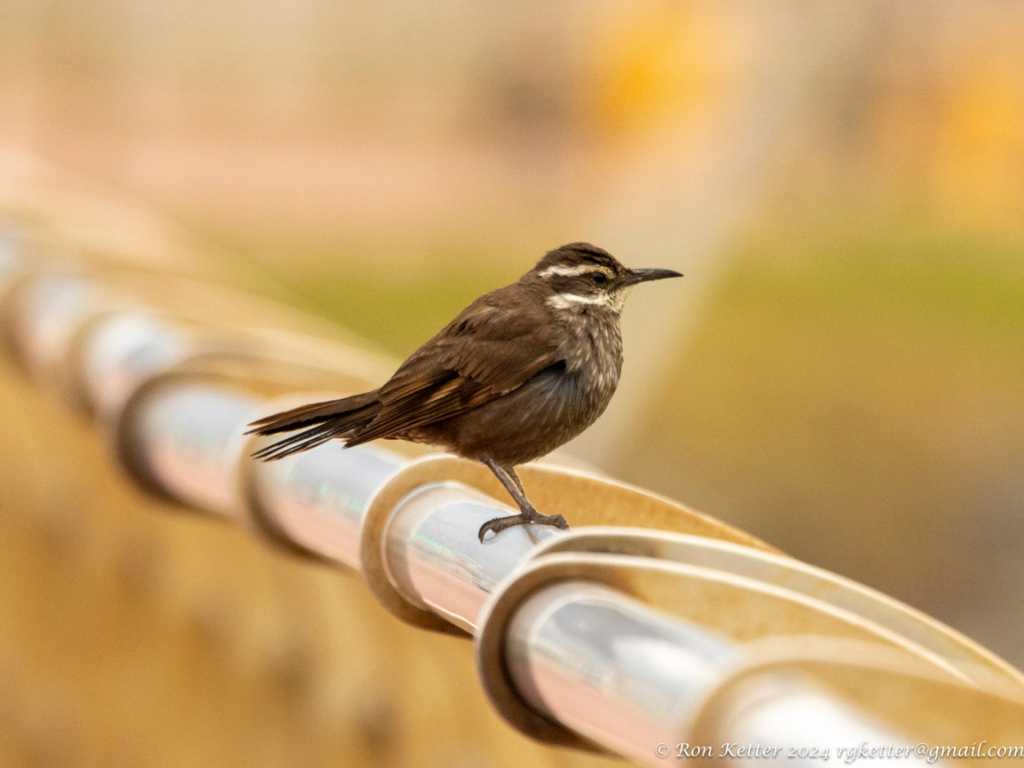
Thorn-tailed Rayadito
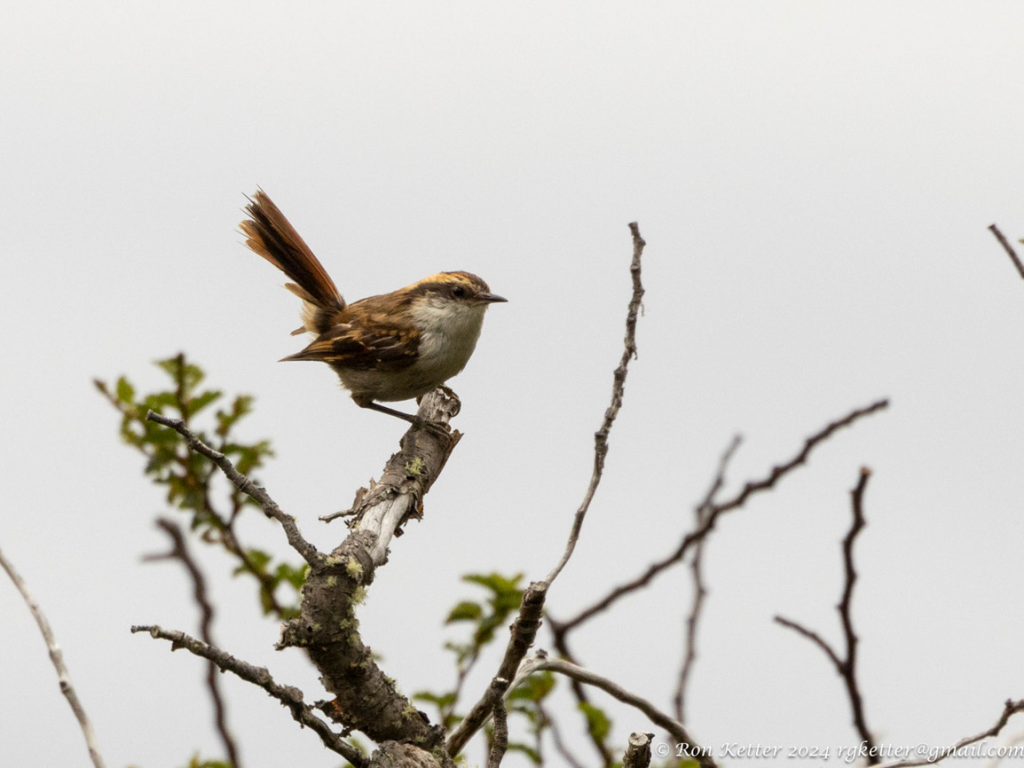
White-crested Elaenia
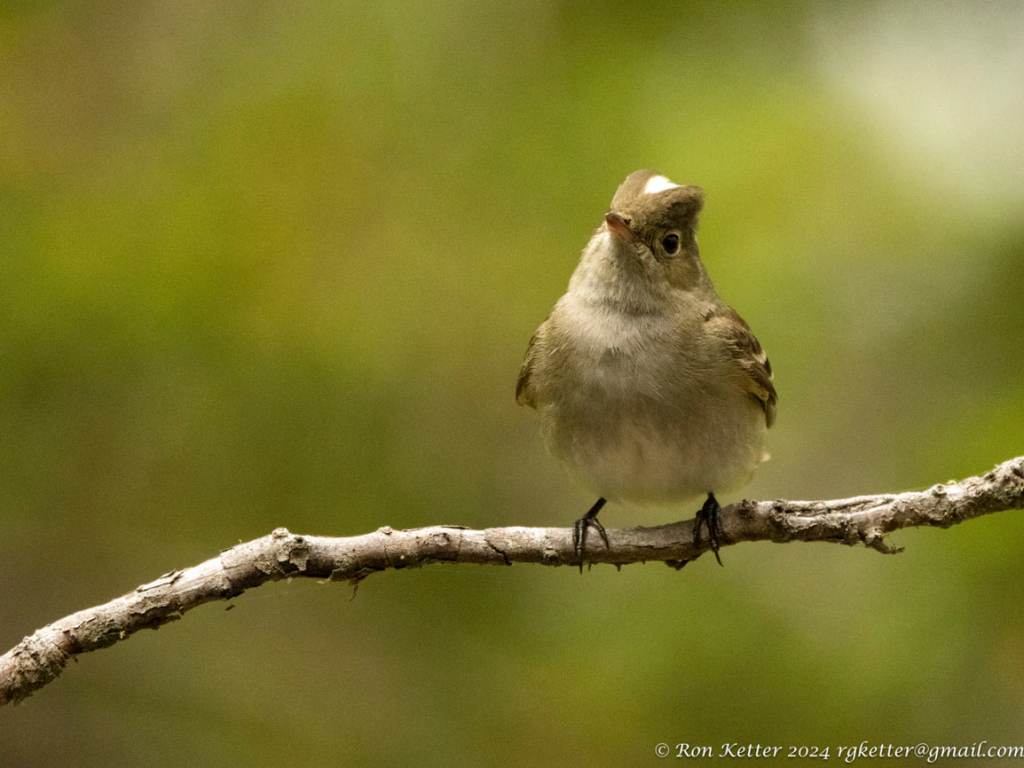
Dark-faced Ground-Tyrant
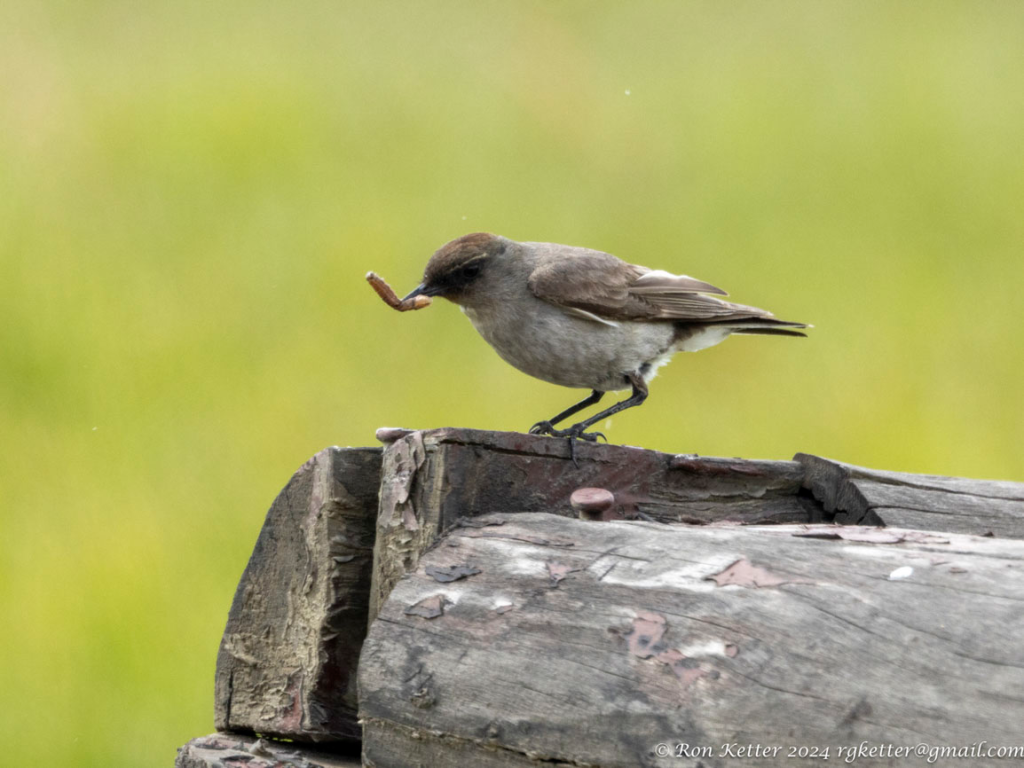
Southern House Wren
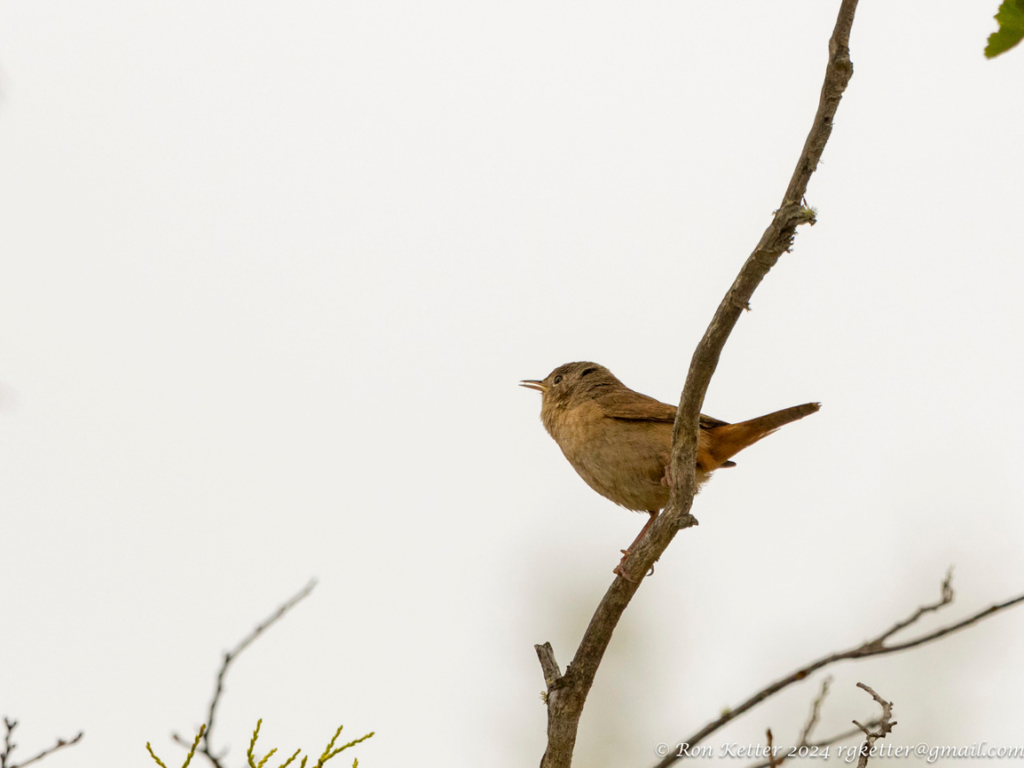
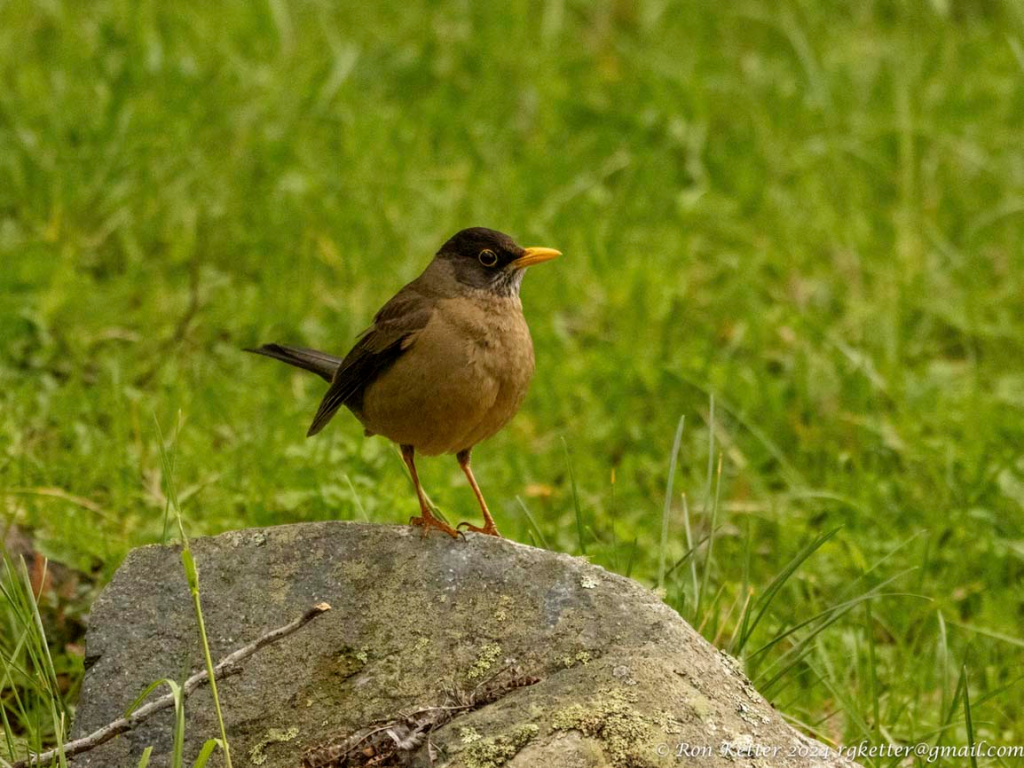
Austral Thrush
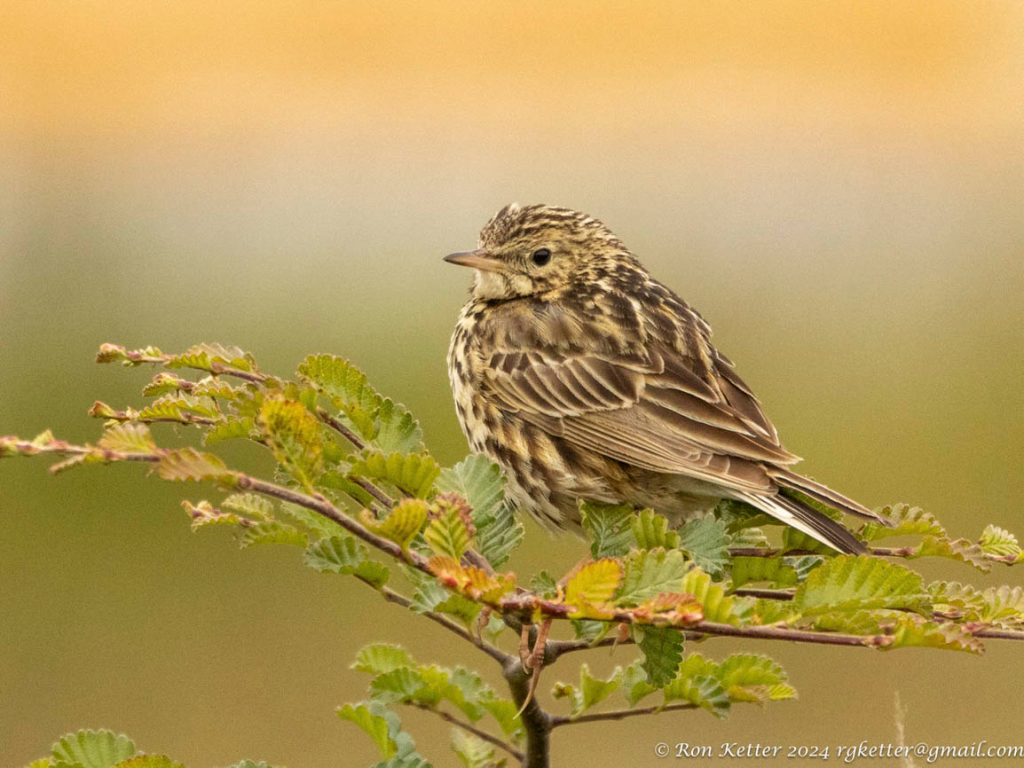
Correndera Pipit
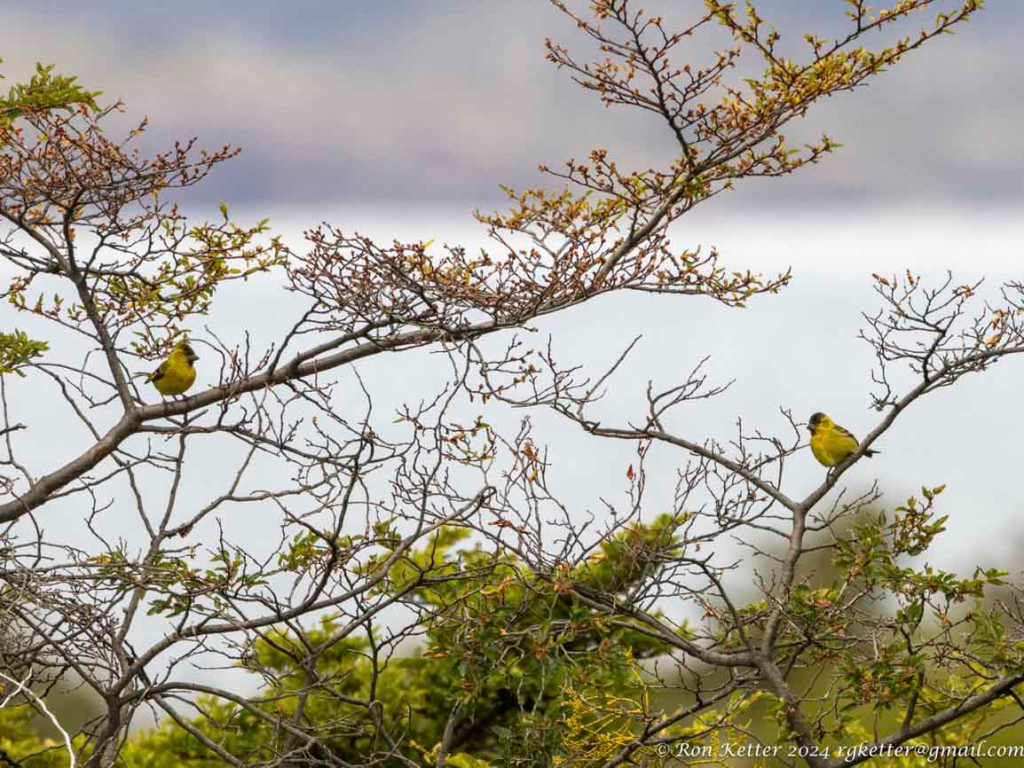
Black-chinned Siskin
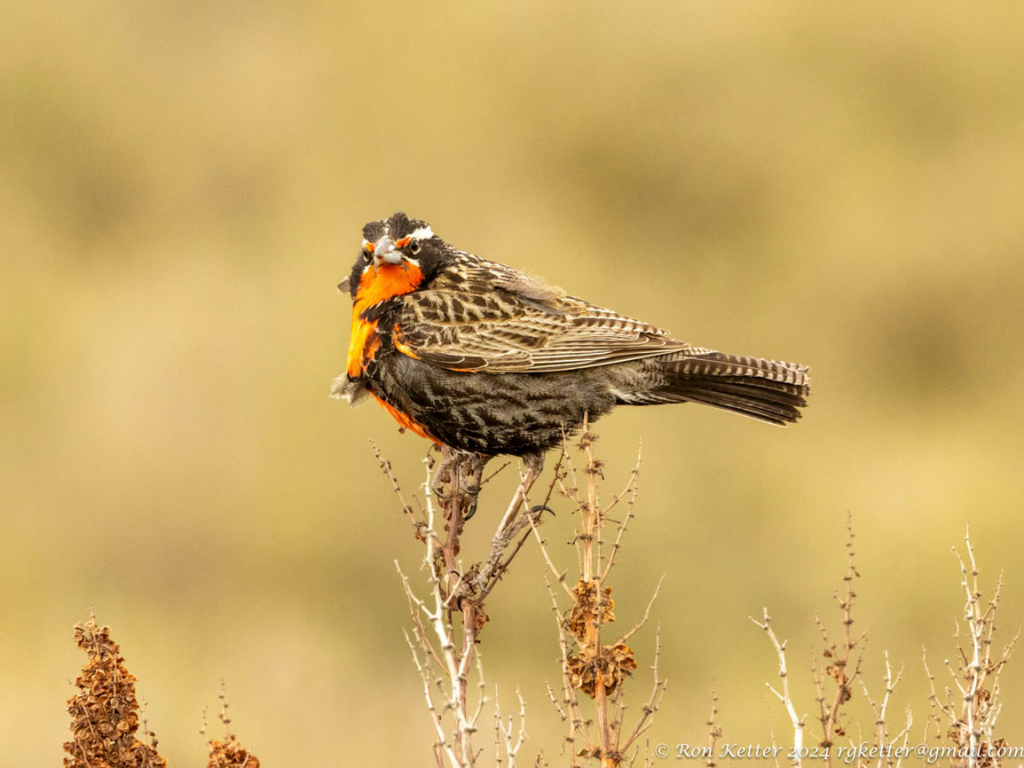
Long-tailed Meadowlark
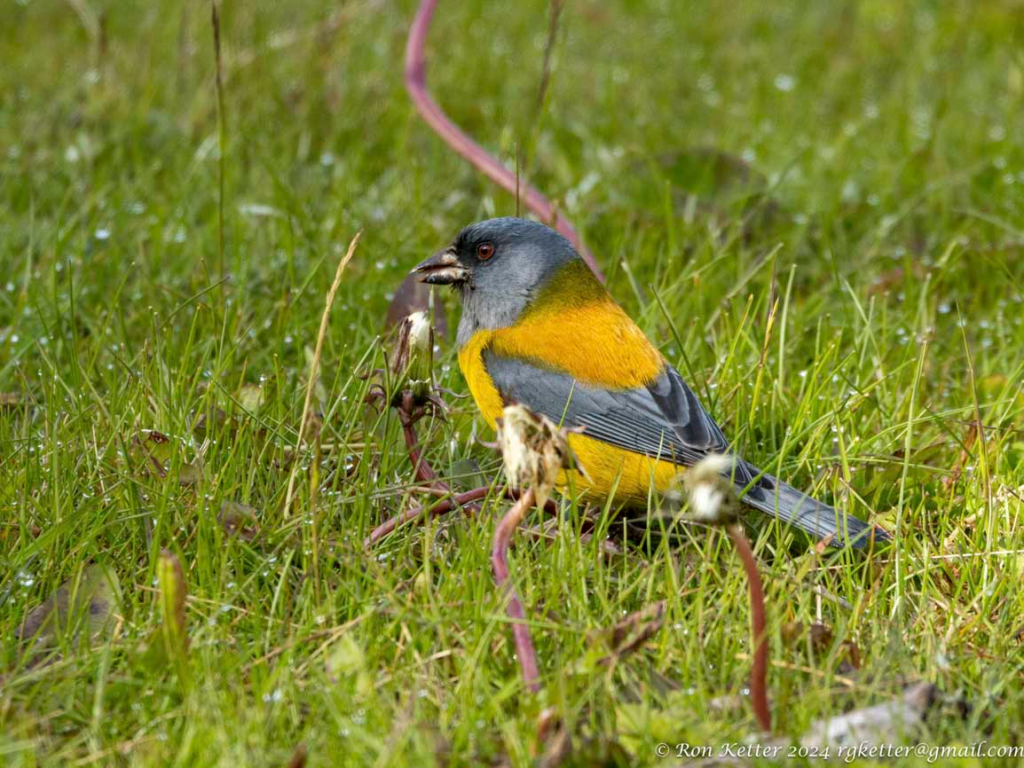
Patagonian Sierra Finch
Drake Passage
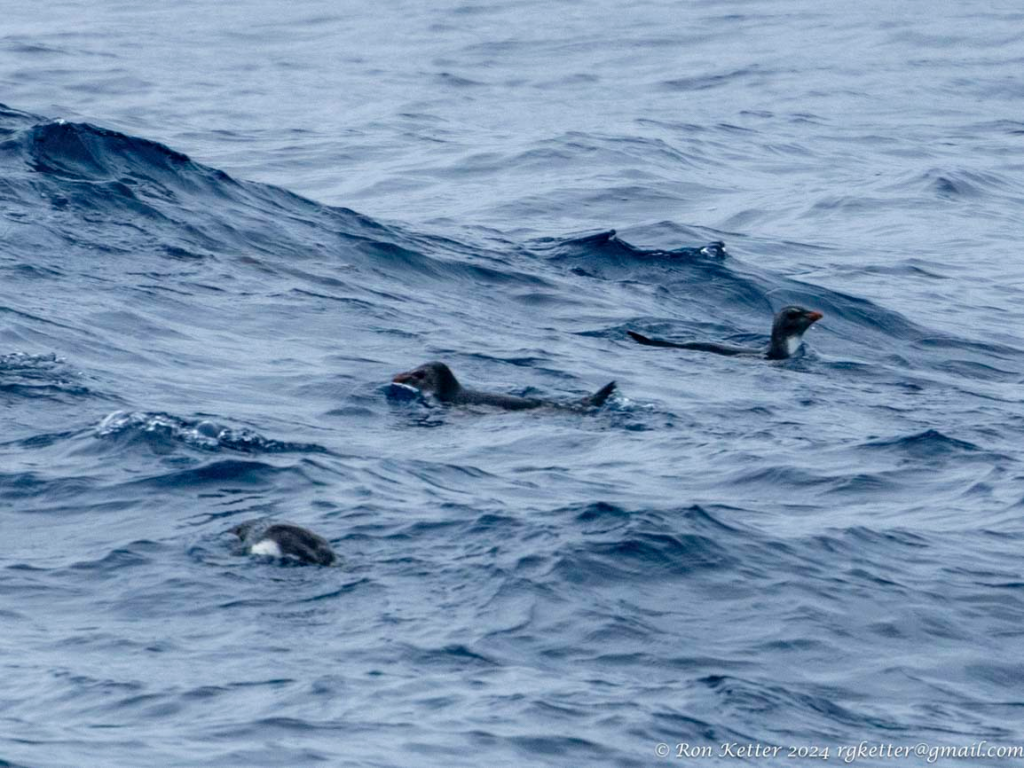
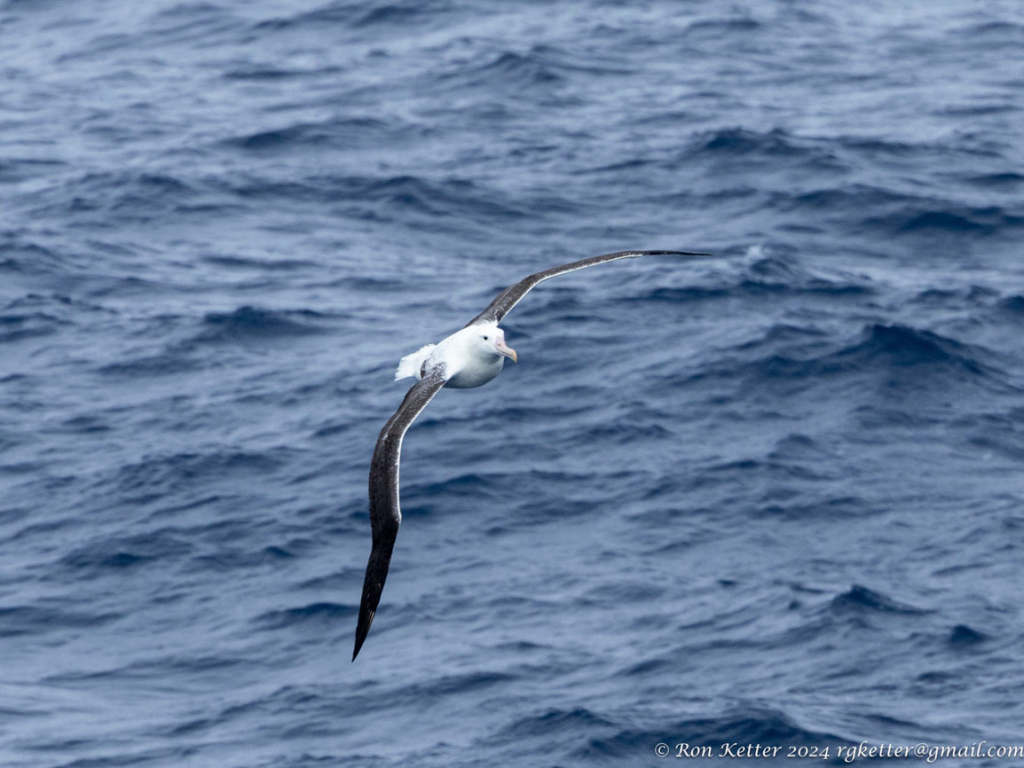
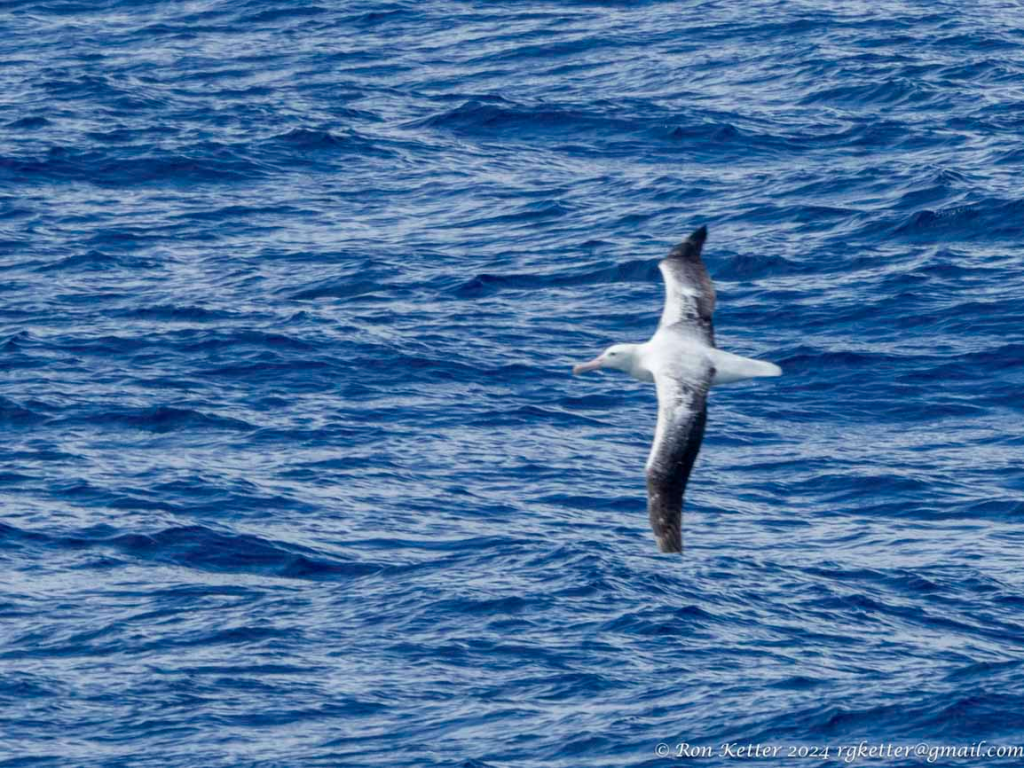
We boarded the Ocean Albatros around 3 pm Friday, December 6, and were soon underway to Antarctica. Getting there requires spending about two days crossing the Drake Passage. Waters were calm on the way down, but we encountered wind and waves on the return trip, good for albatrosses and other seabirds. On the return trip, as we approached South America, we also saw several rafts of Southern Rockhopper Penguins.
Southern Rockhopper Penguin
Southern Royal Albatross
Snowy Albatross
Light-mantled Albatross
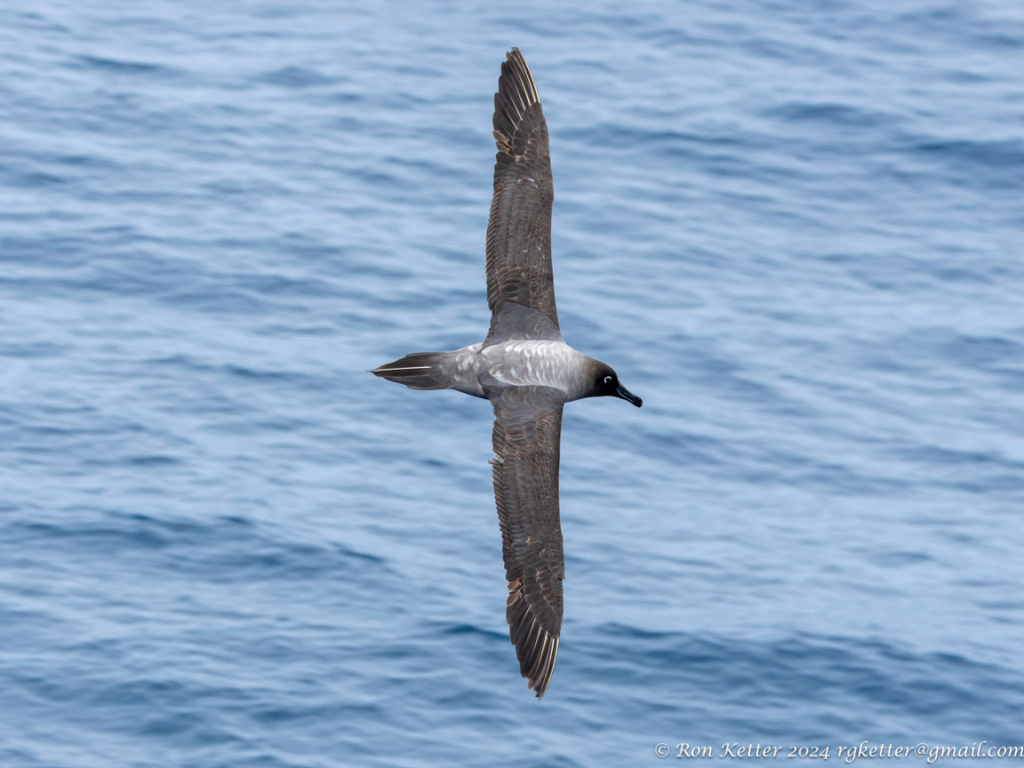
Gray-headed Albatross
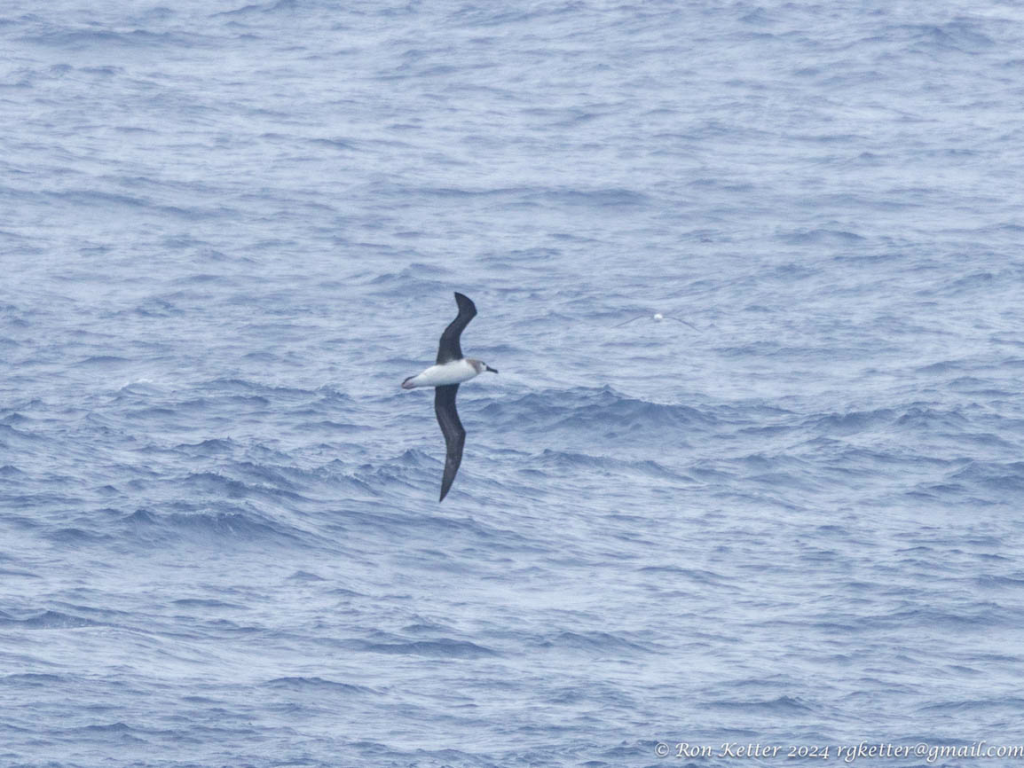
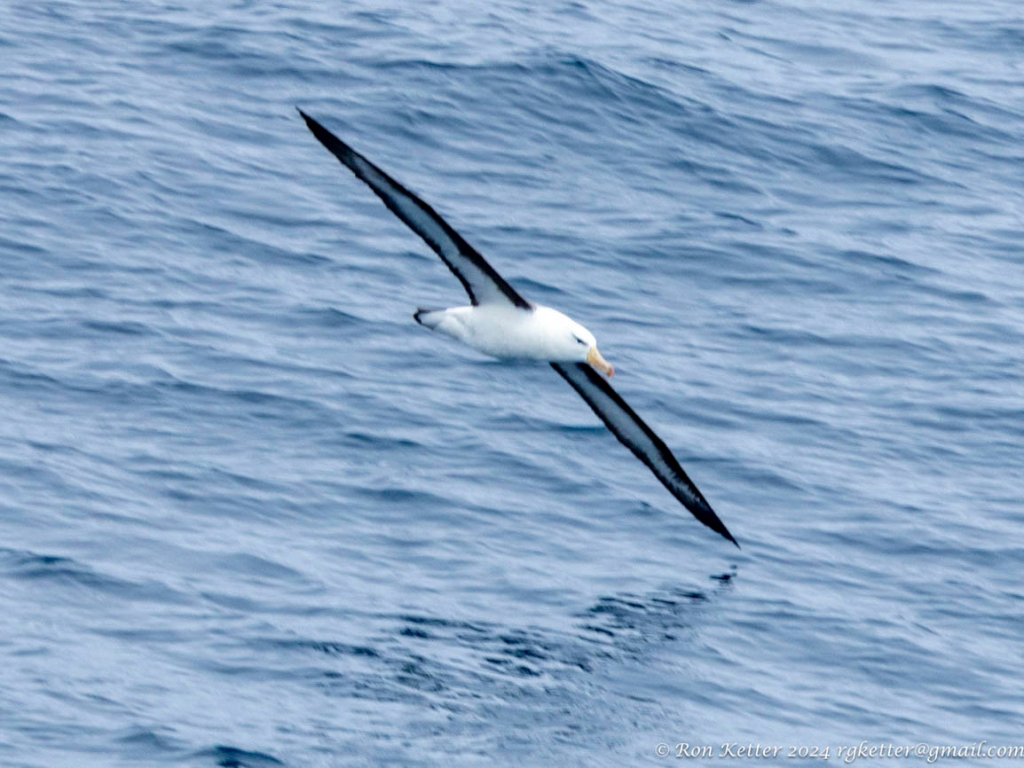
Black-browed Albatross
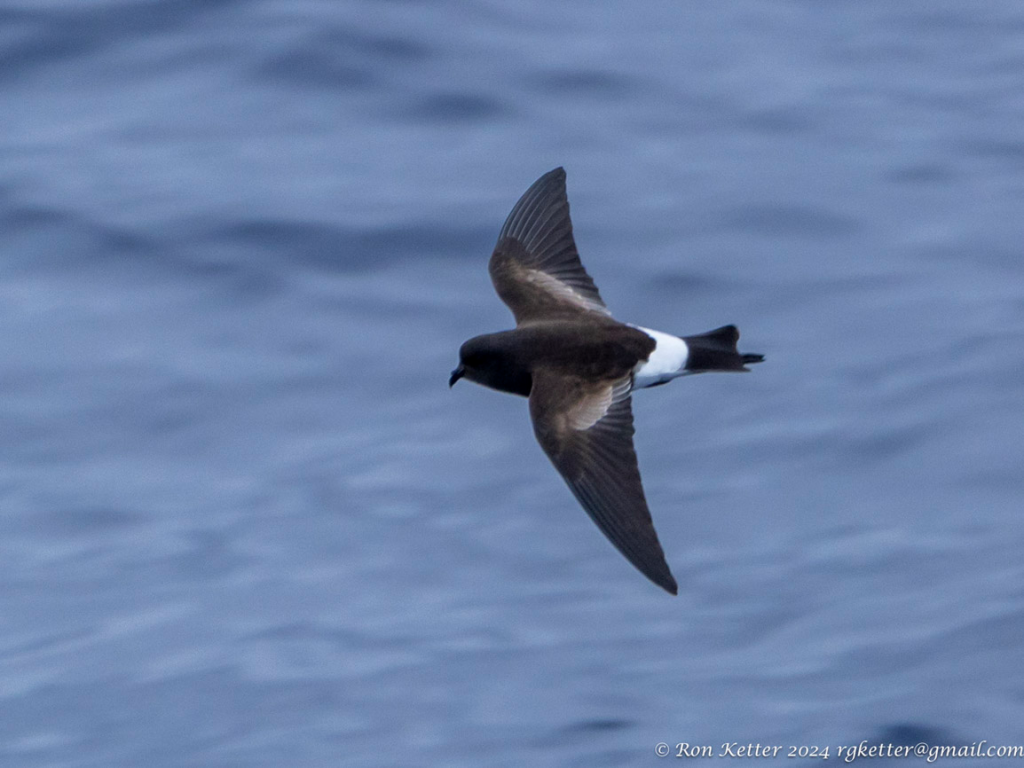
Wilson’s Storm-Petrel
Southern Giant-Petrel
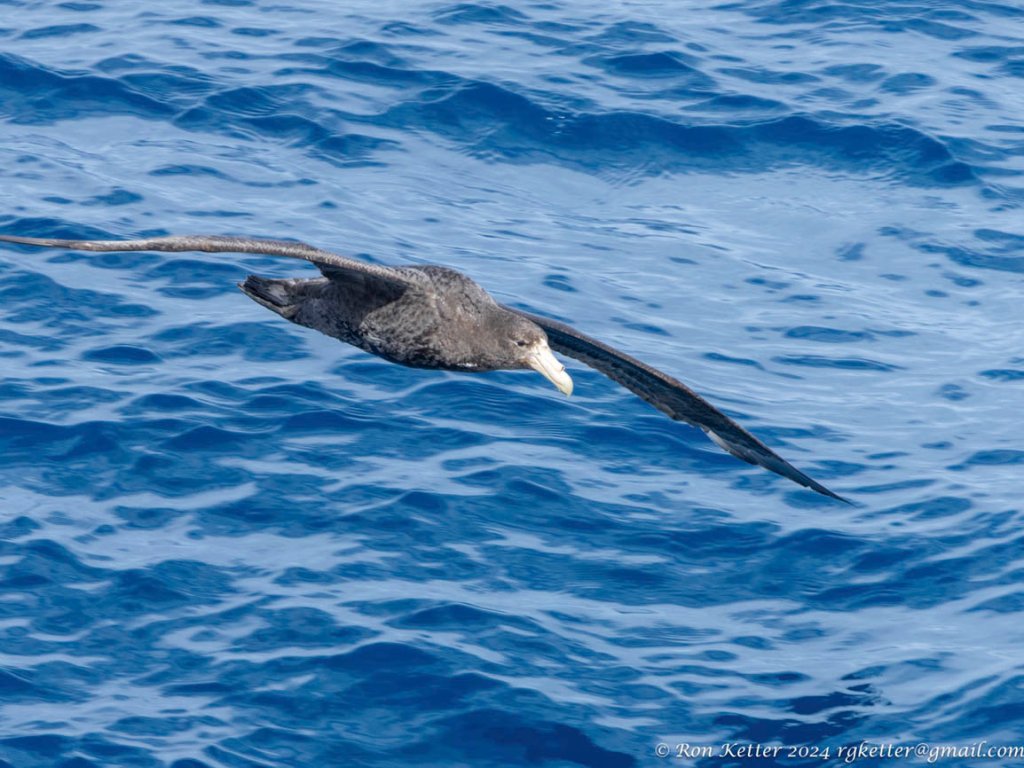
Pintado Petrel
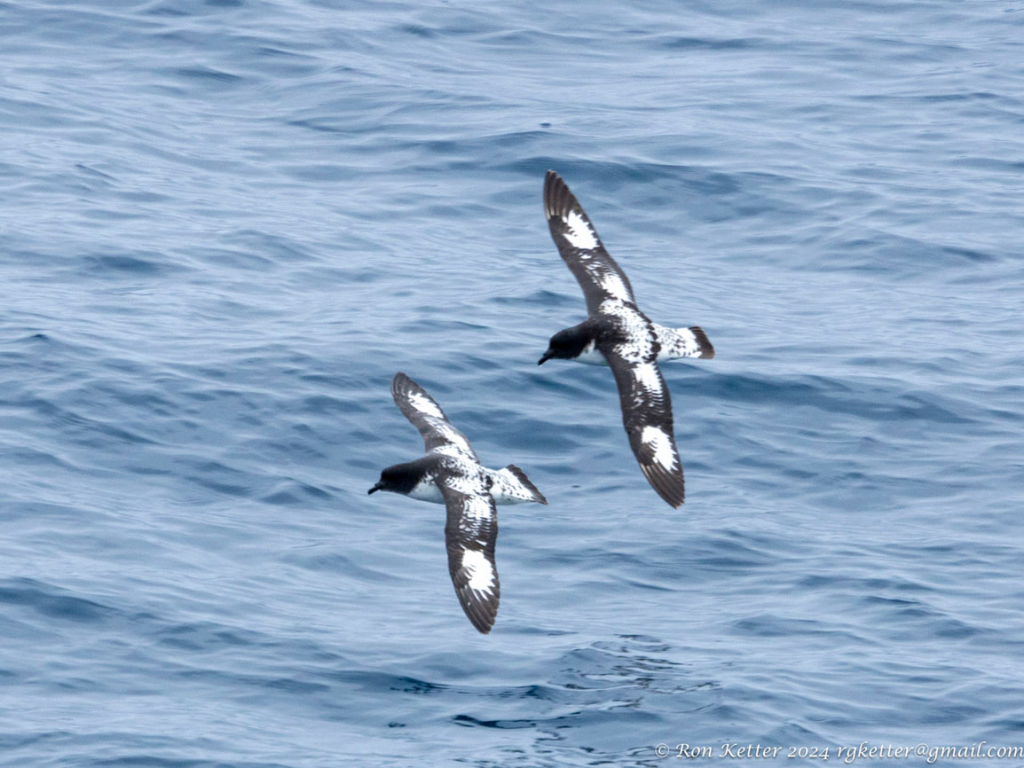
Antarctica Prion
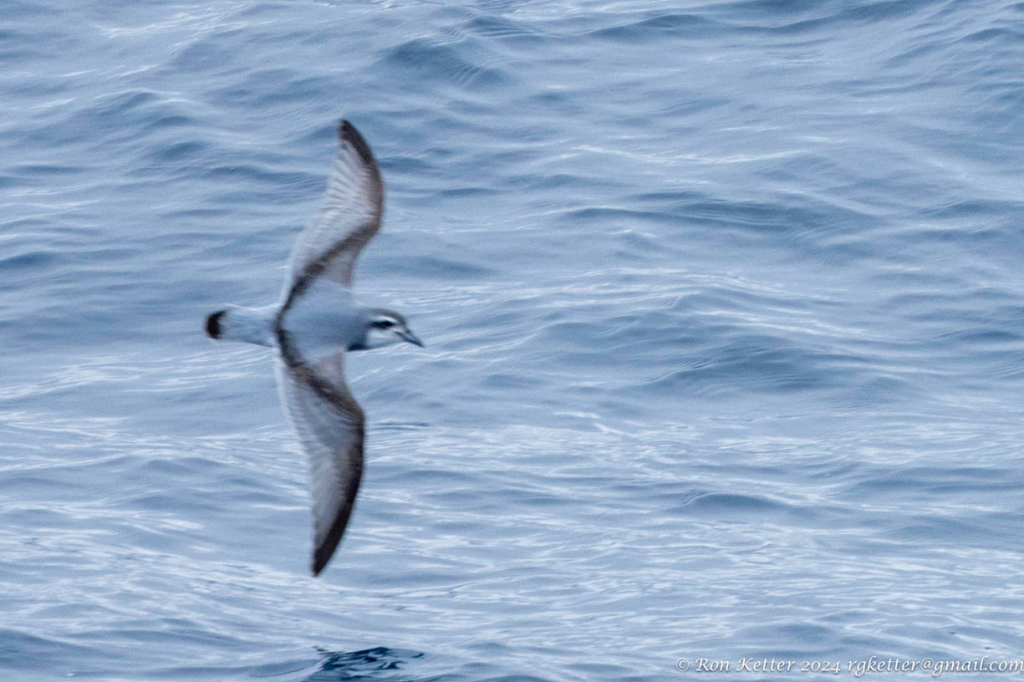
Slender-billed Prion
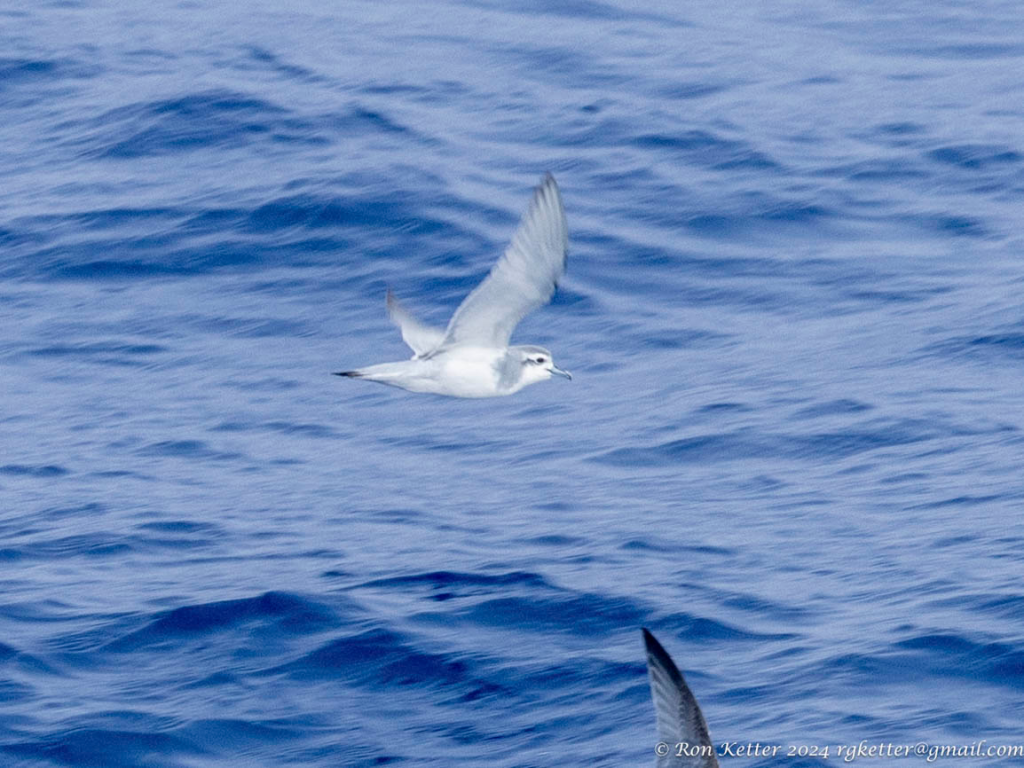
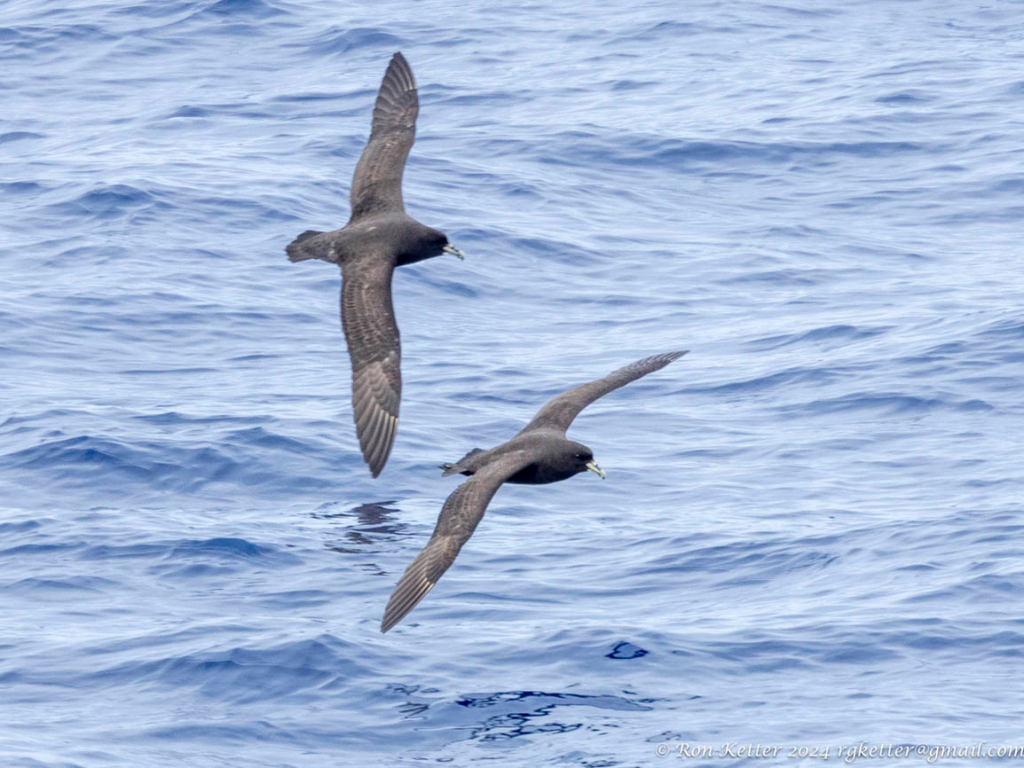
White-chinned Petrel
Antarctica
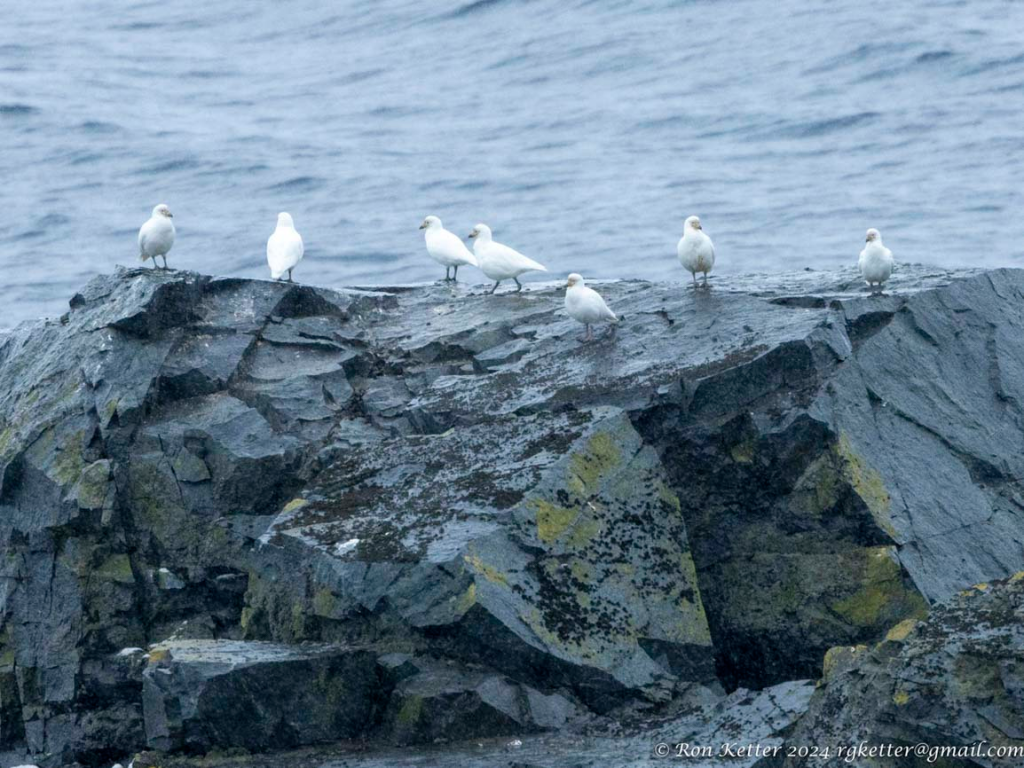
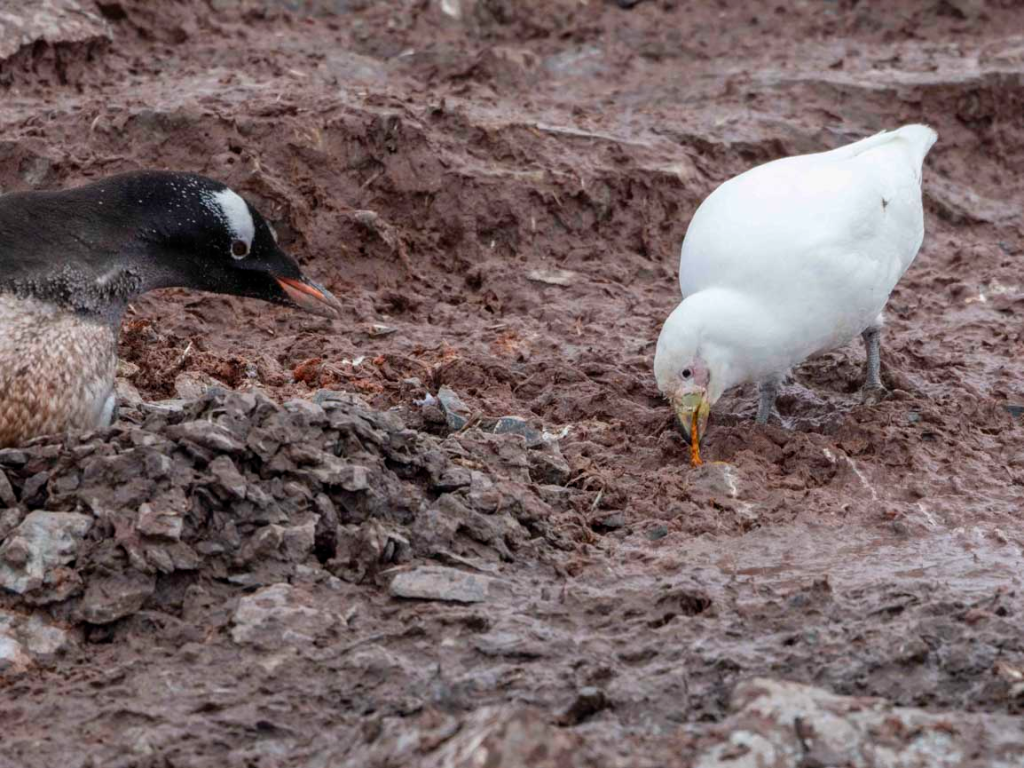
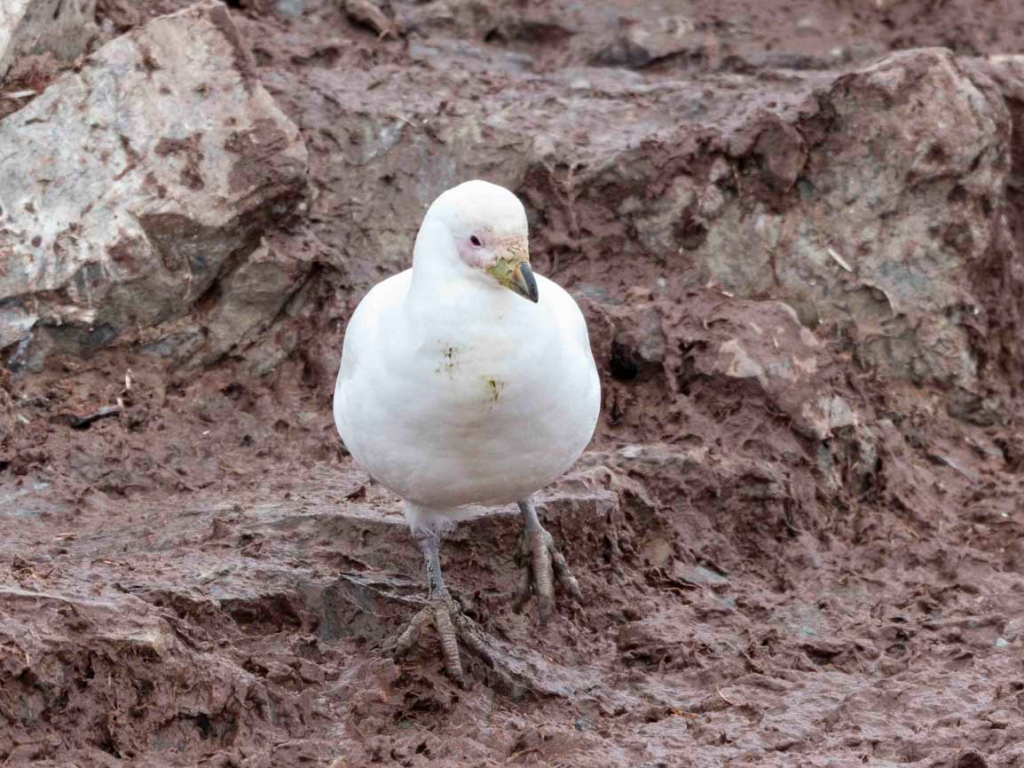
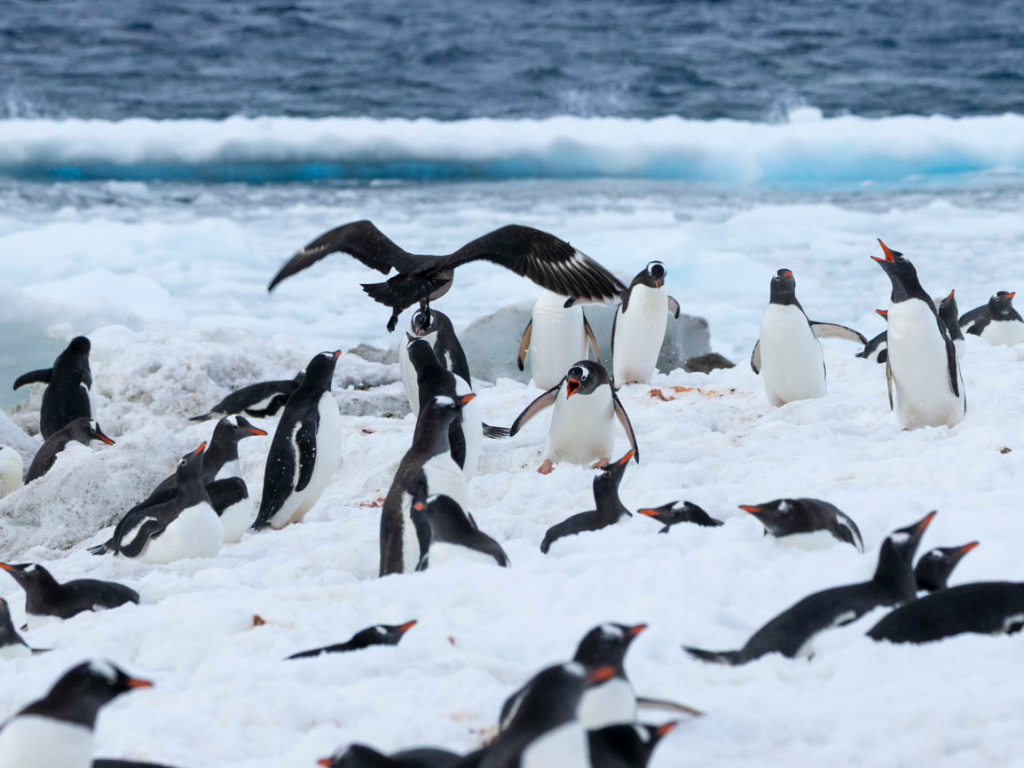
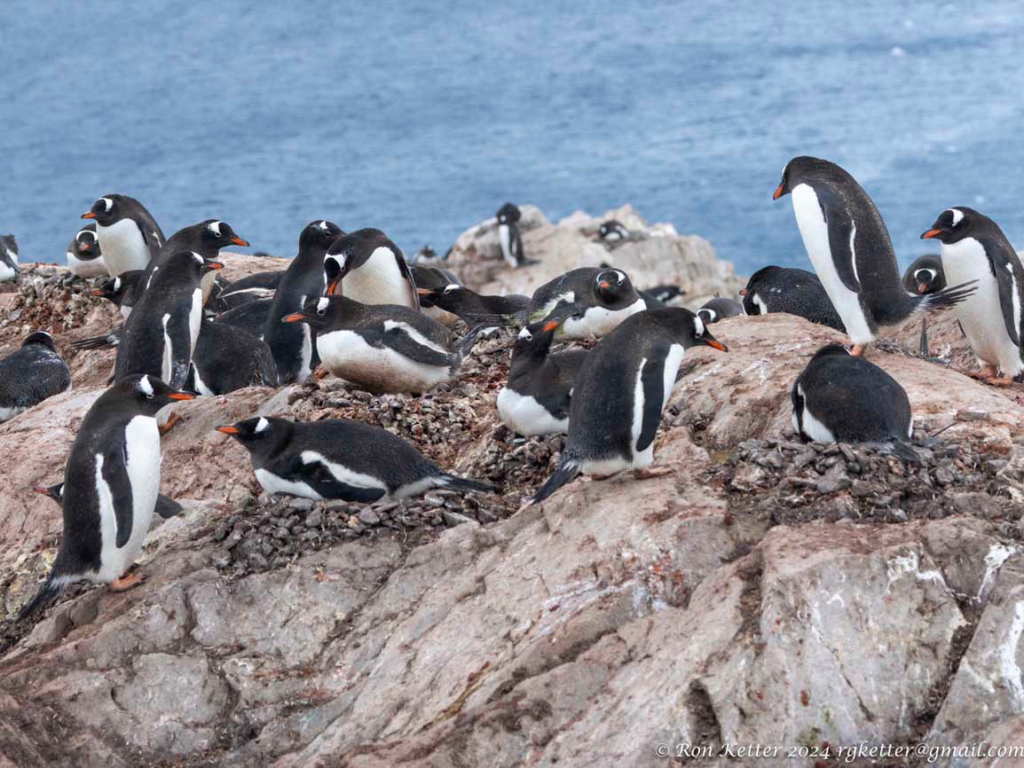
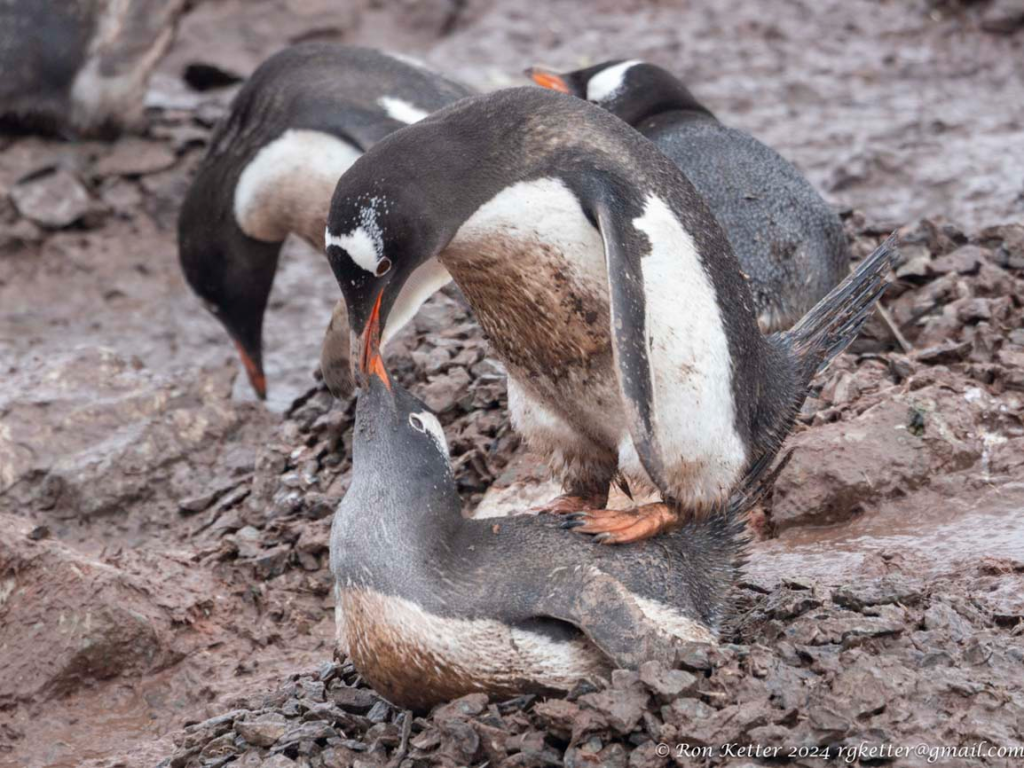
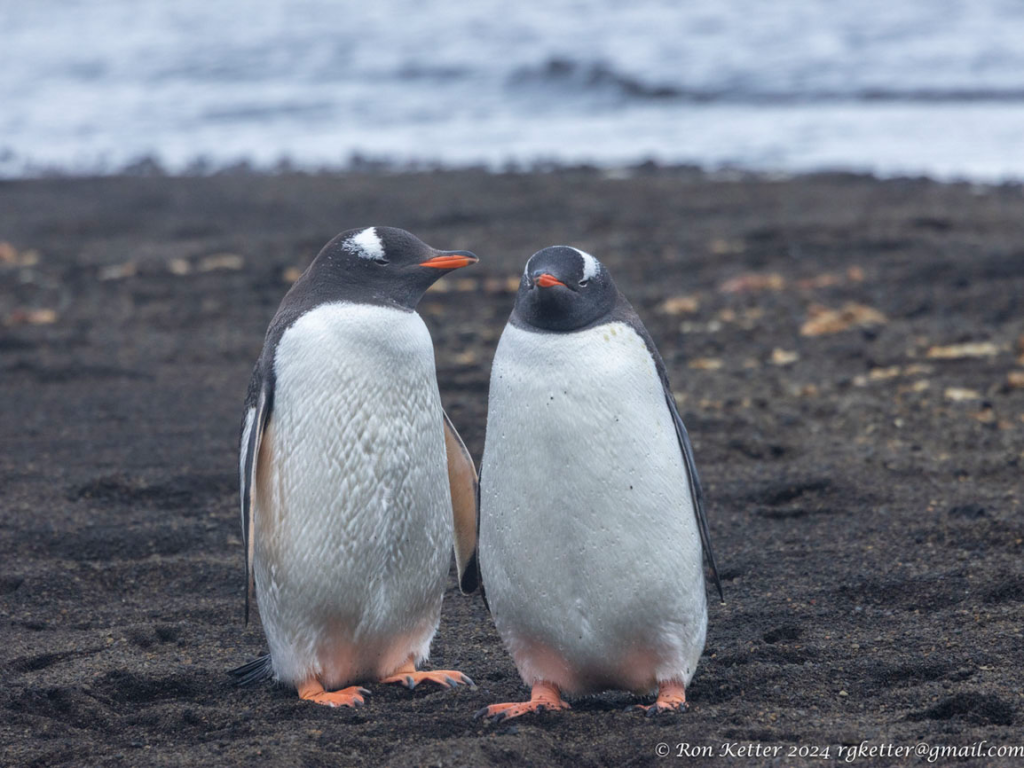
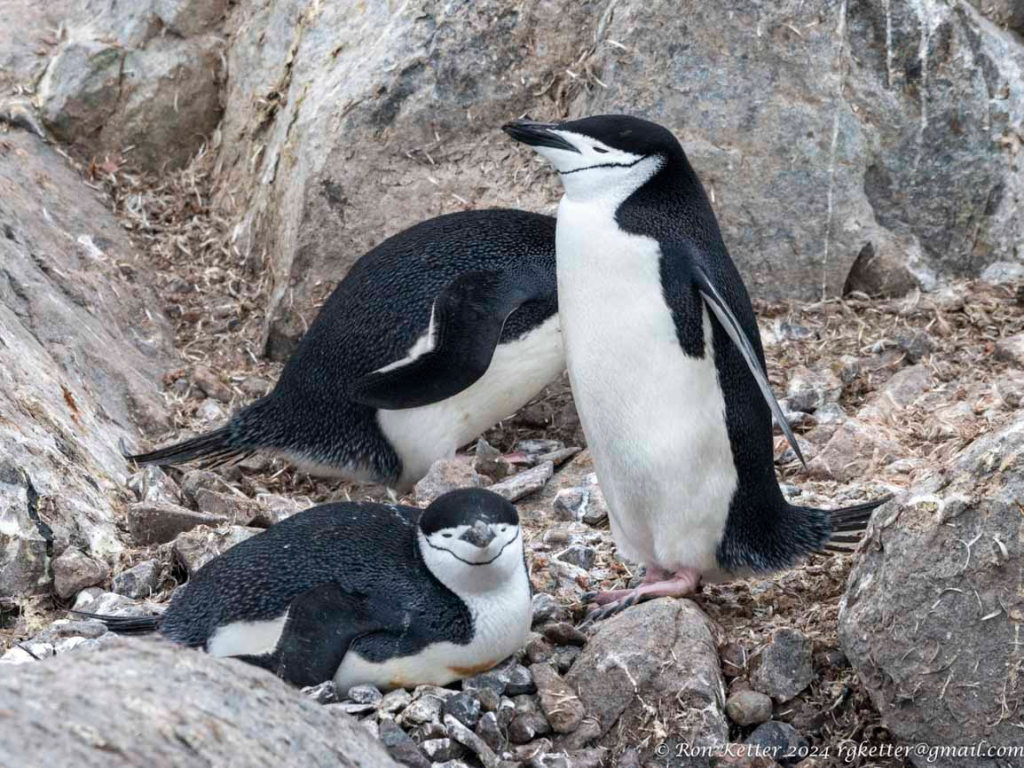
We made good time traveling south through the Drake Passage. We arrived at the South Shetland Islands by Sunday afternoon in time for an excursion (we initially weren’t expecting to use the Zodiacs until Monday morning). For the next 4 1/2 days, we cruised around the South Shetlands and the upper part of the Antarctic peninsula, visiting Yankee Harbor, Palaver Point, Portal Point, Beneden Head, Neko Harbor, and Danco Island. We visited several Gentoo and Chinstrap Penguin colonies, and saw several other species of pelagic birds. We also saw the only terrestrial species found on Antarctica — the Snowy Sheathbill, the only bird species without webbed feet. Here are some pictures of the birds we saw.
Snowy Sheathbill
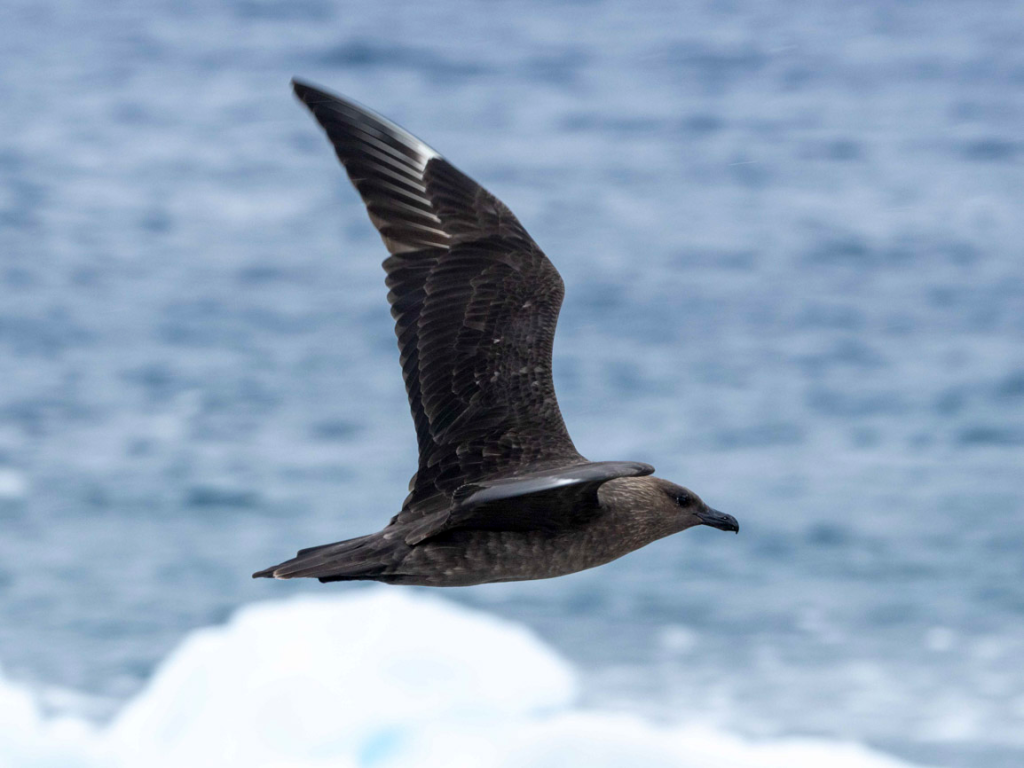
South Polar Skua
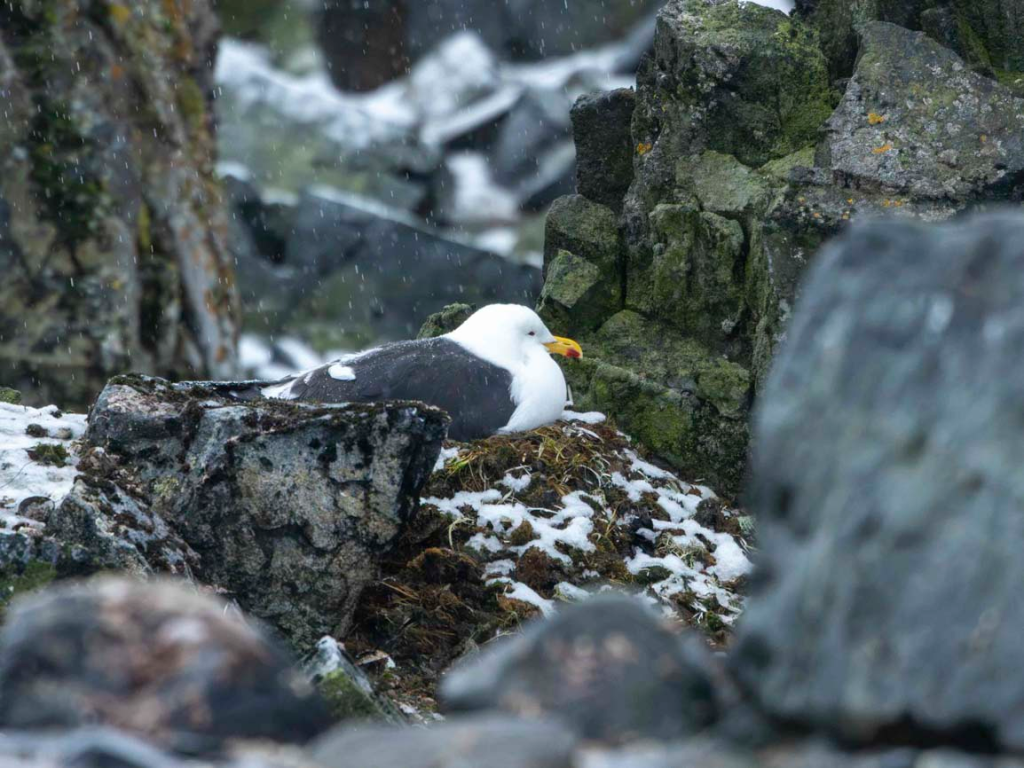
Kelp Gull
Antarctica Tern
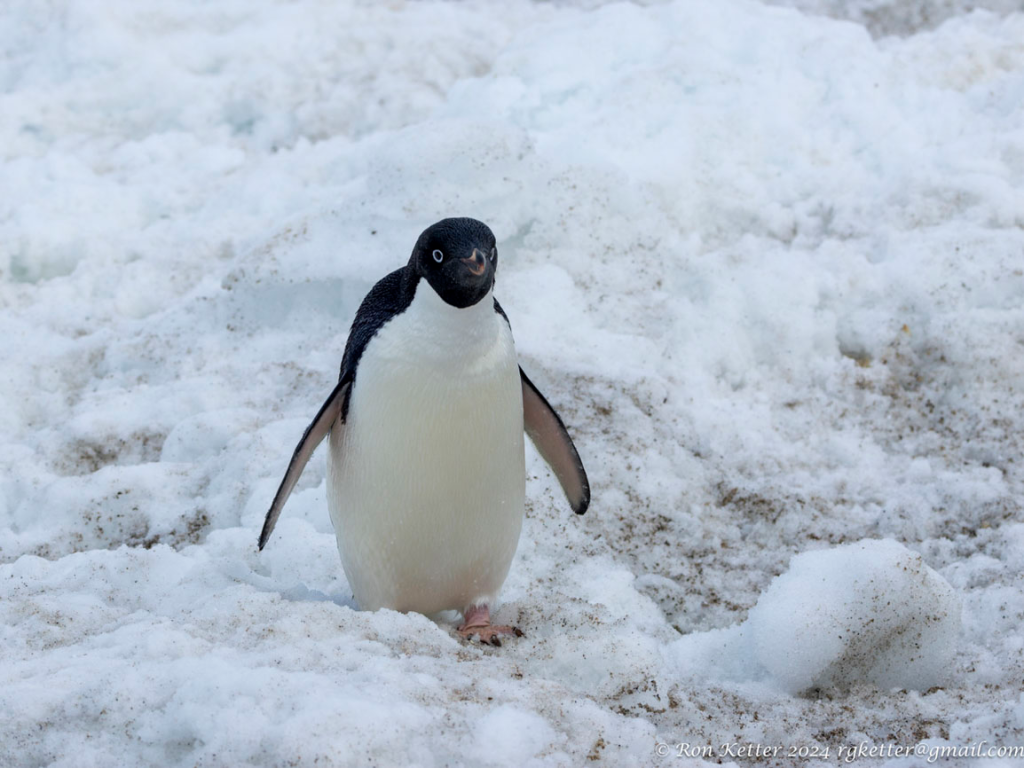
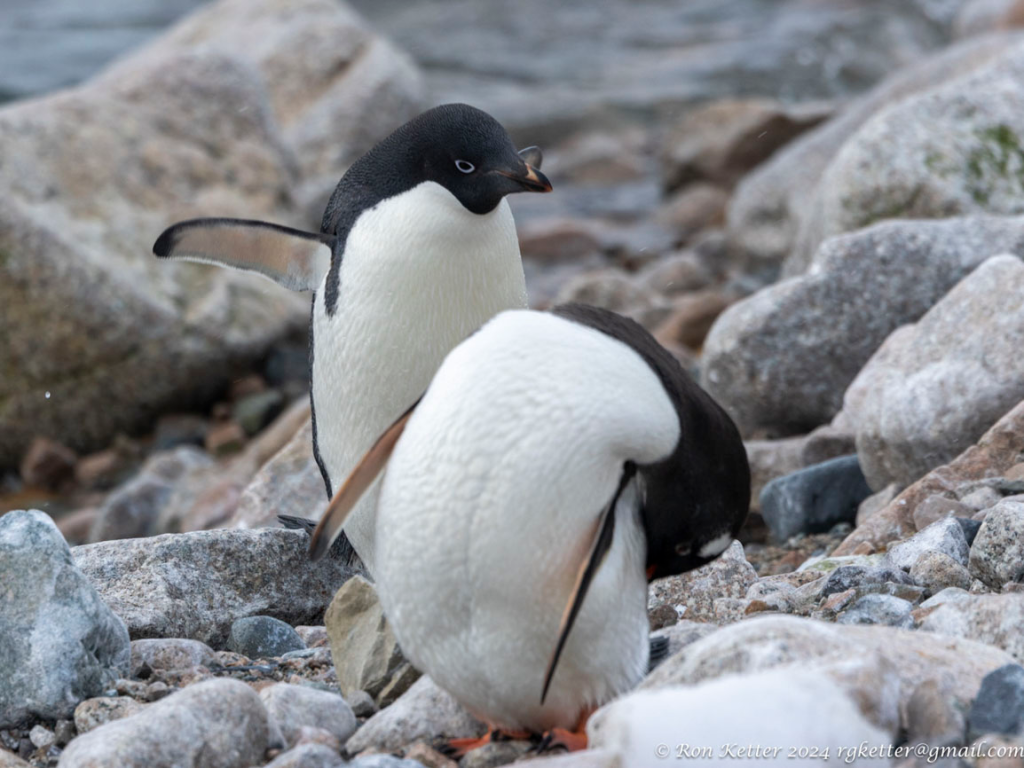
Adelie Penguin
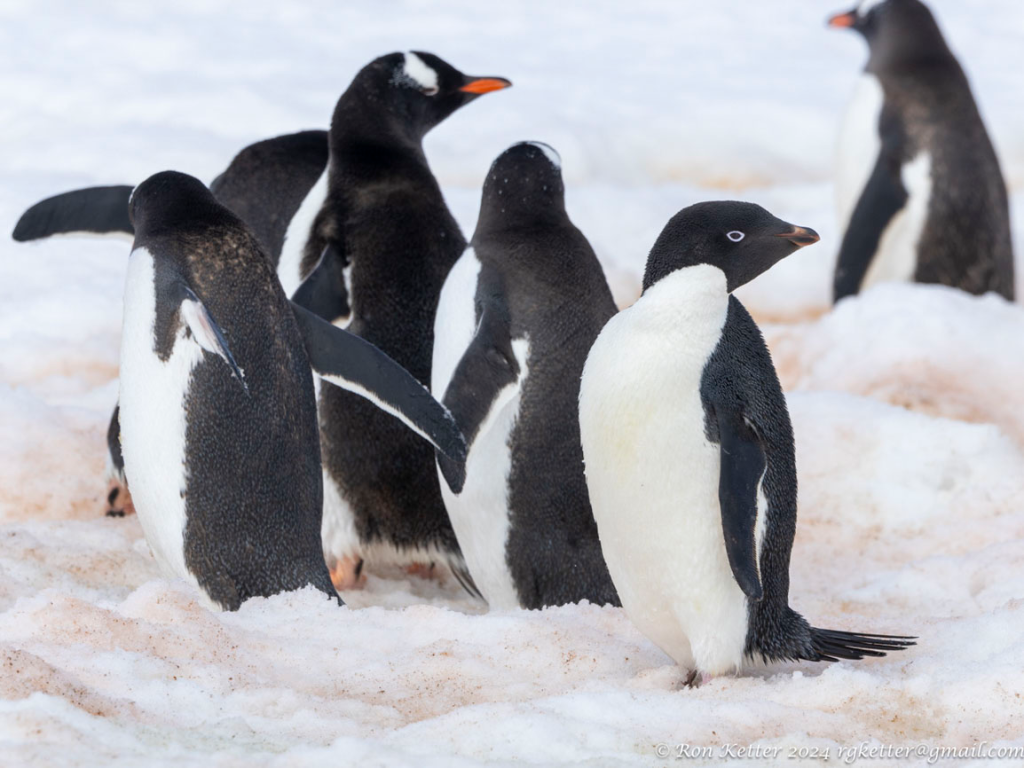
Gentoo Penguin
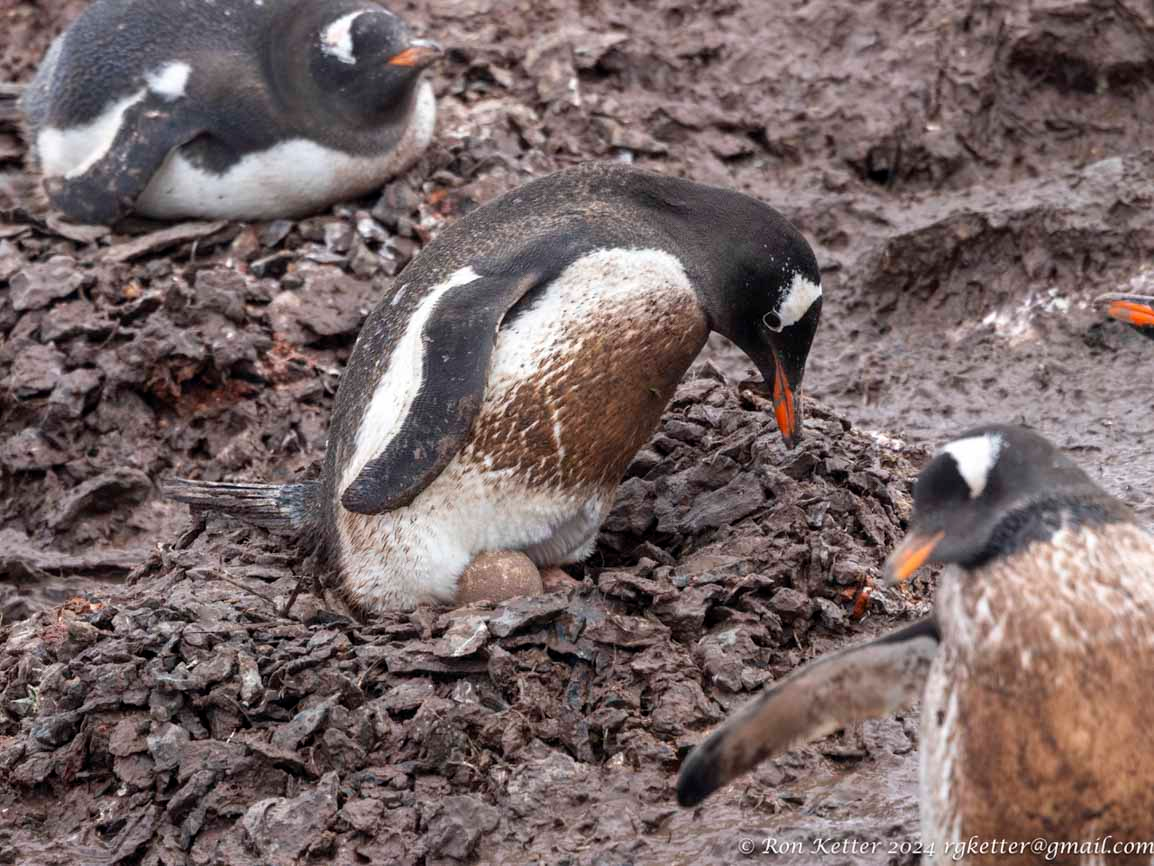
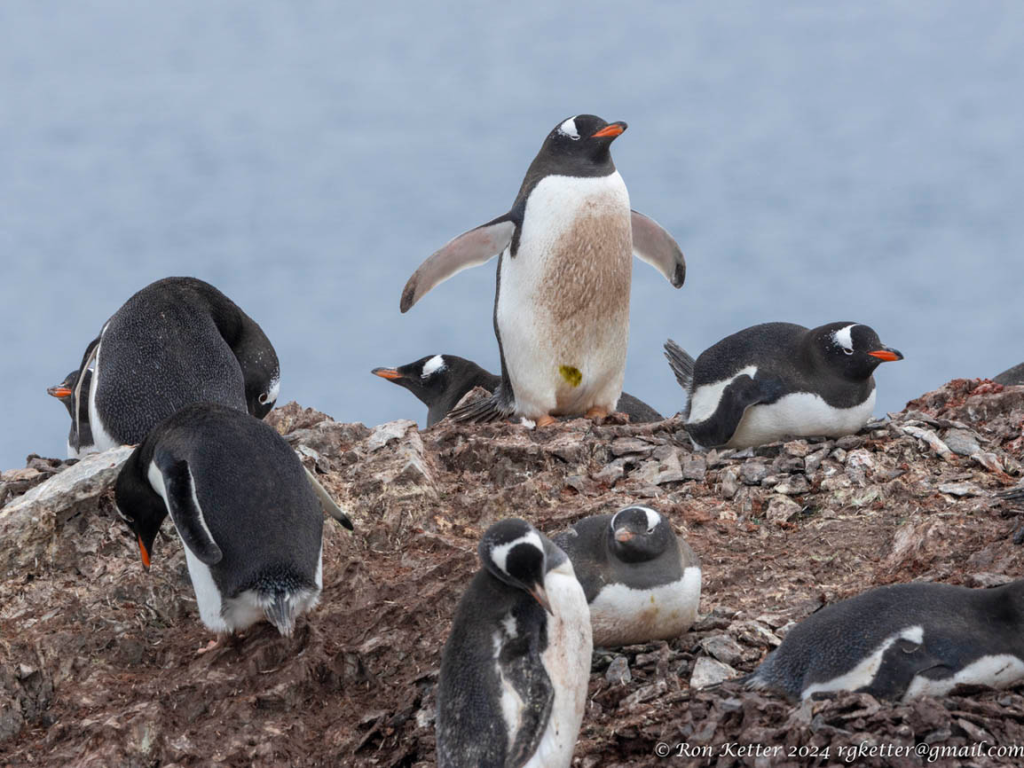
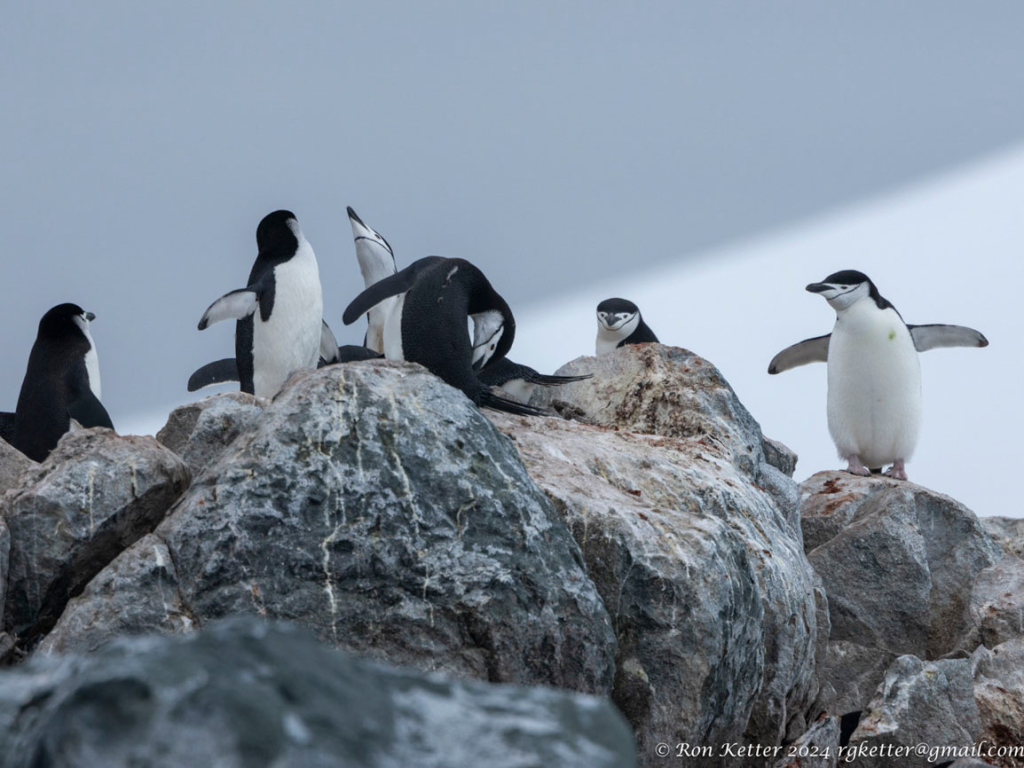
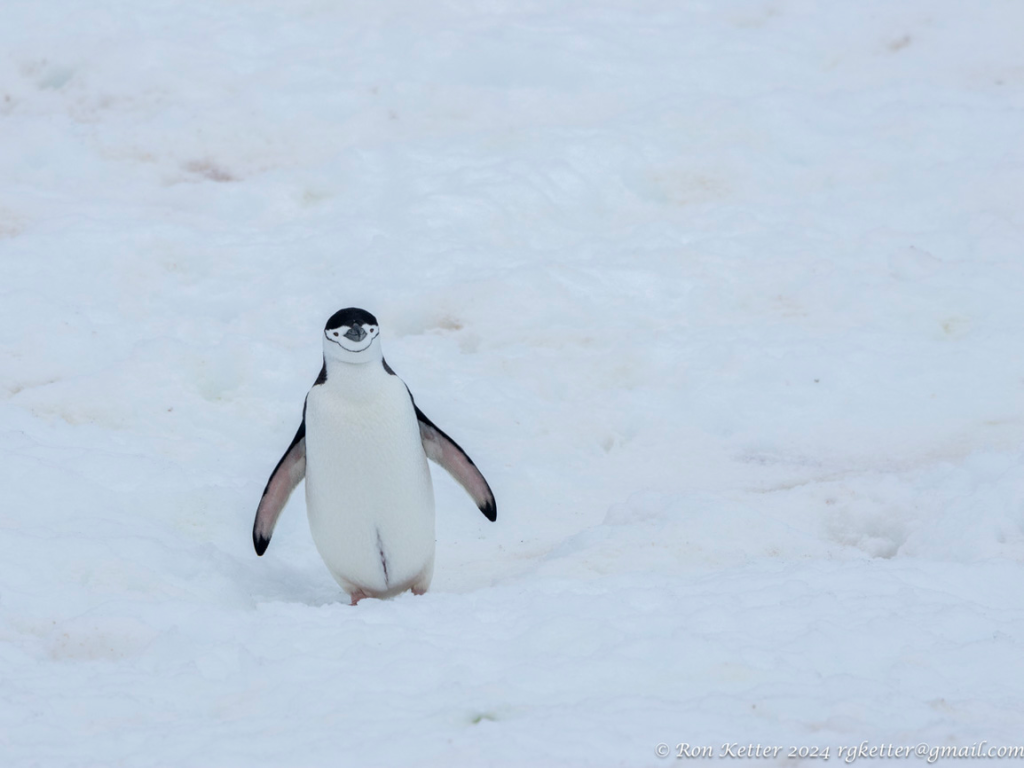
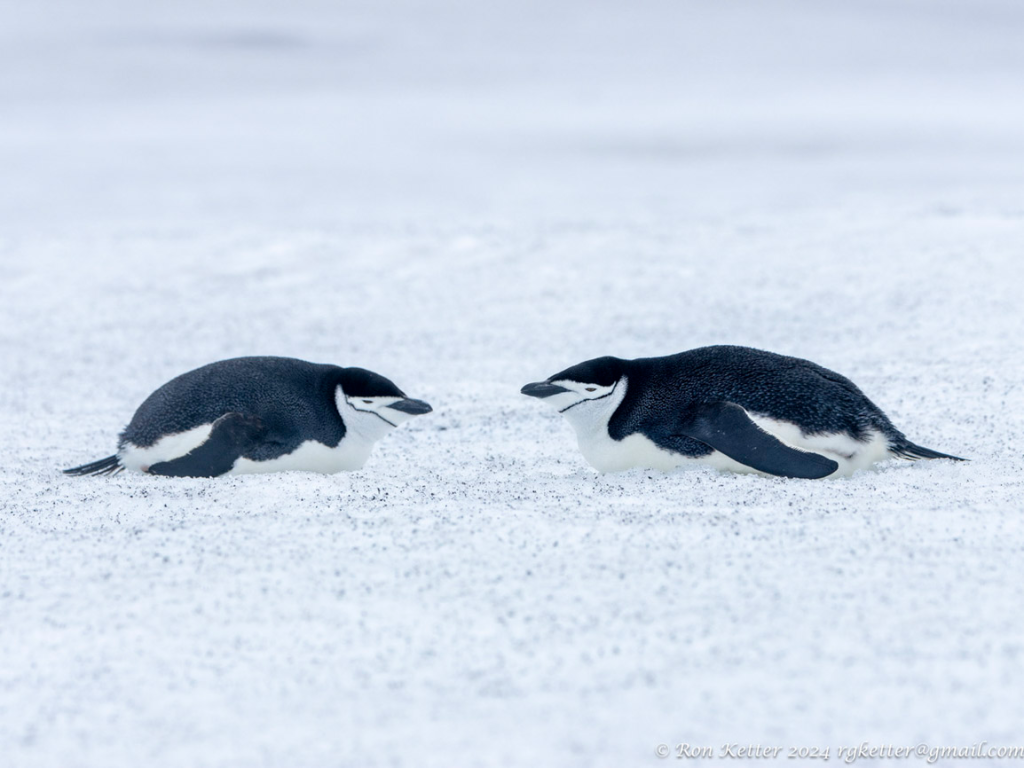
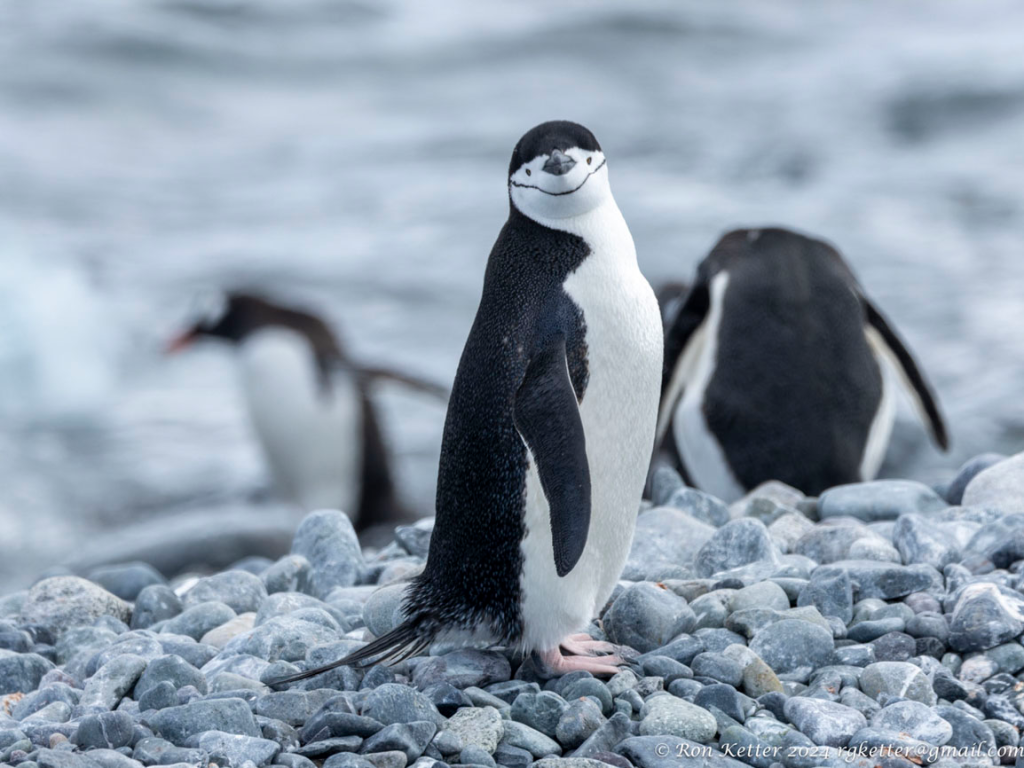
Chinstrap Penguin
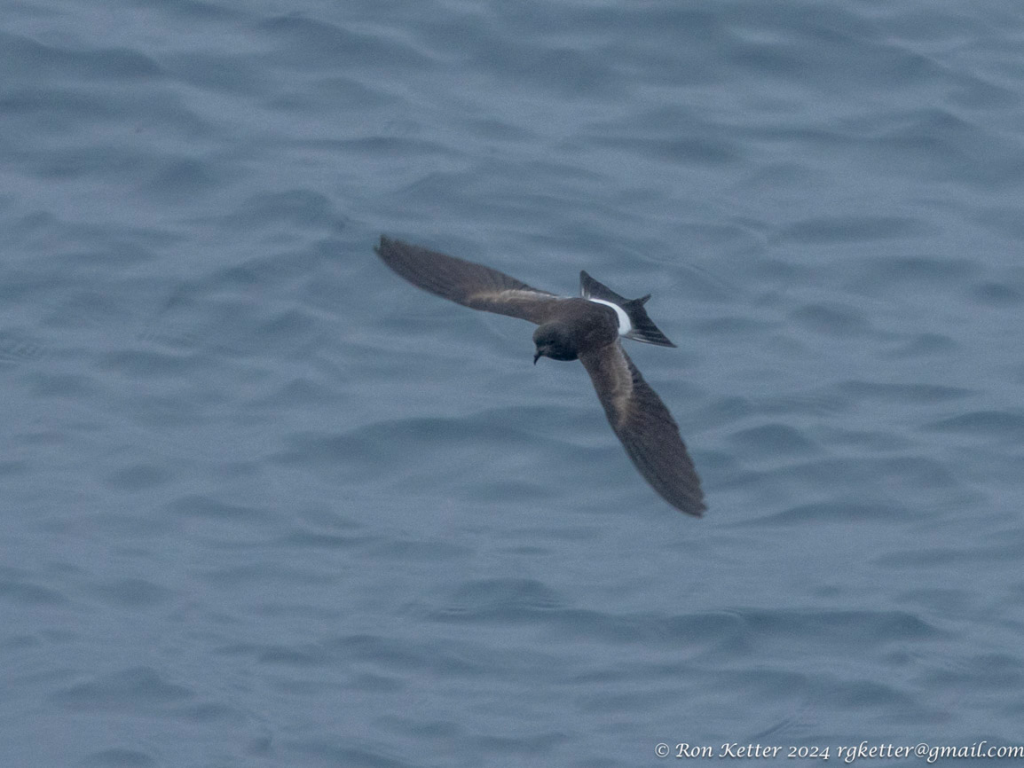
Wilson’s Storm-Petrel
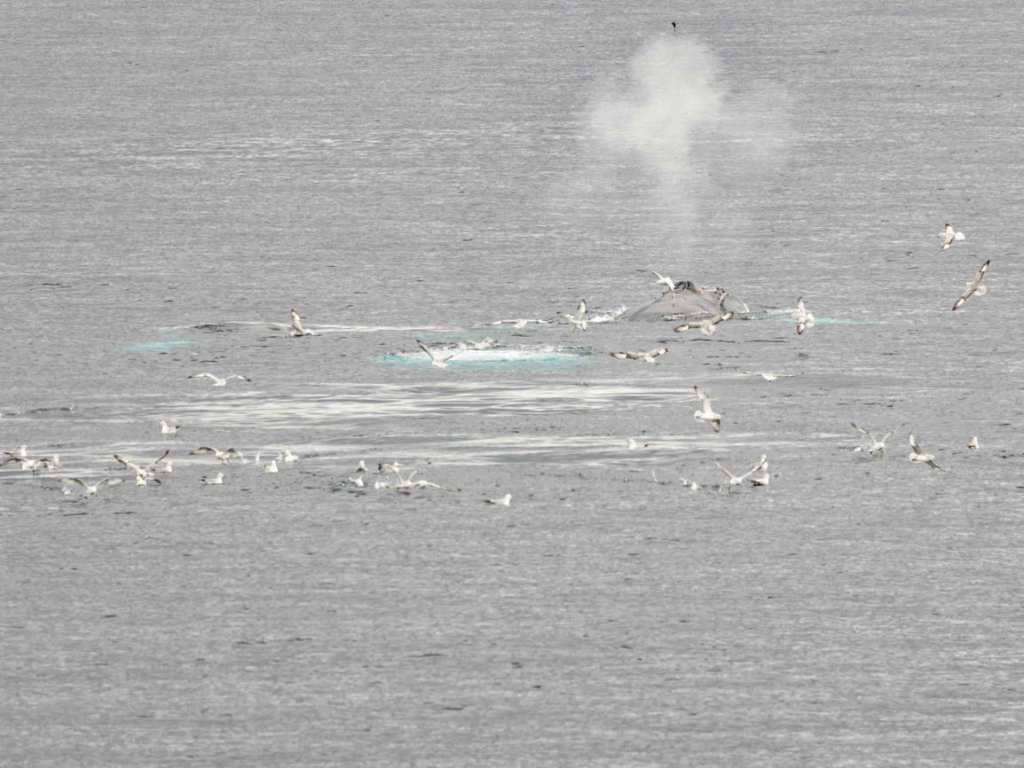
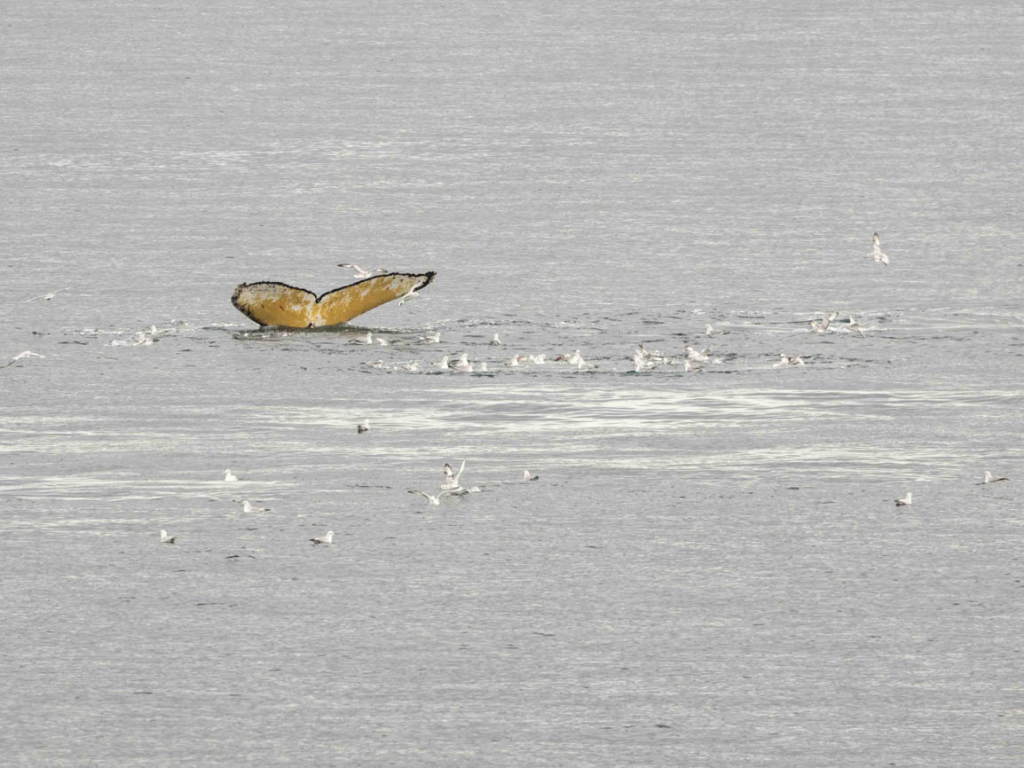
Southern Fulmar
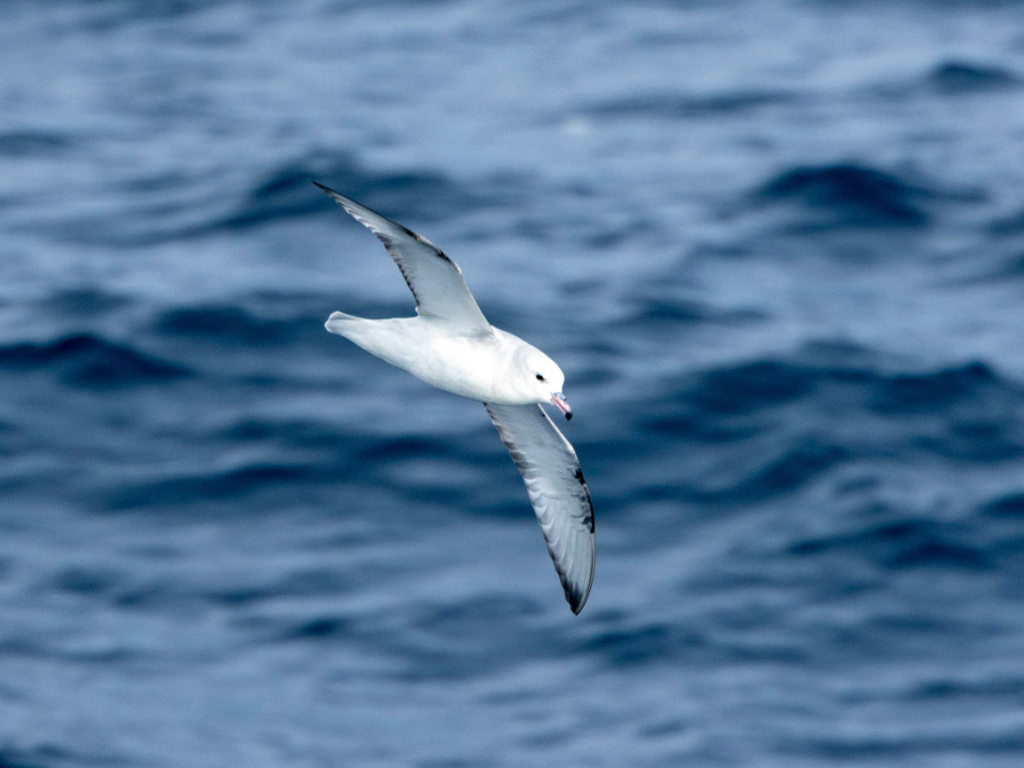
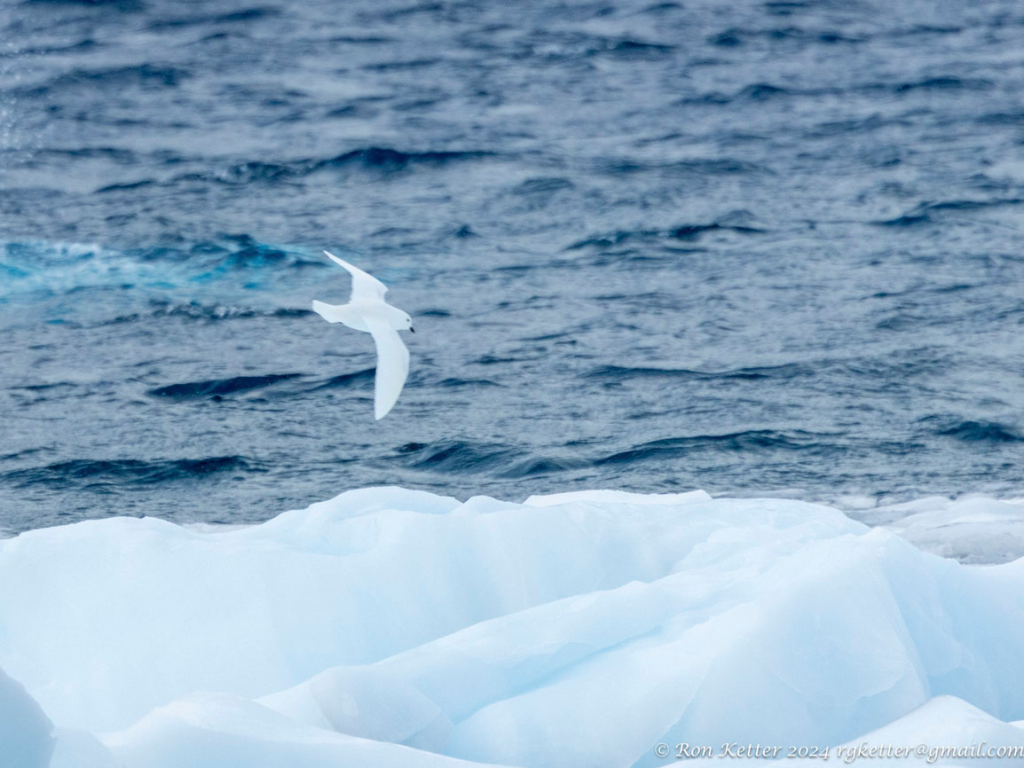
Snow Petrel
Antarctic Shag