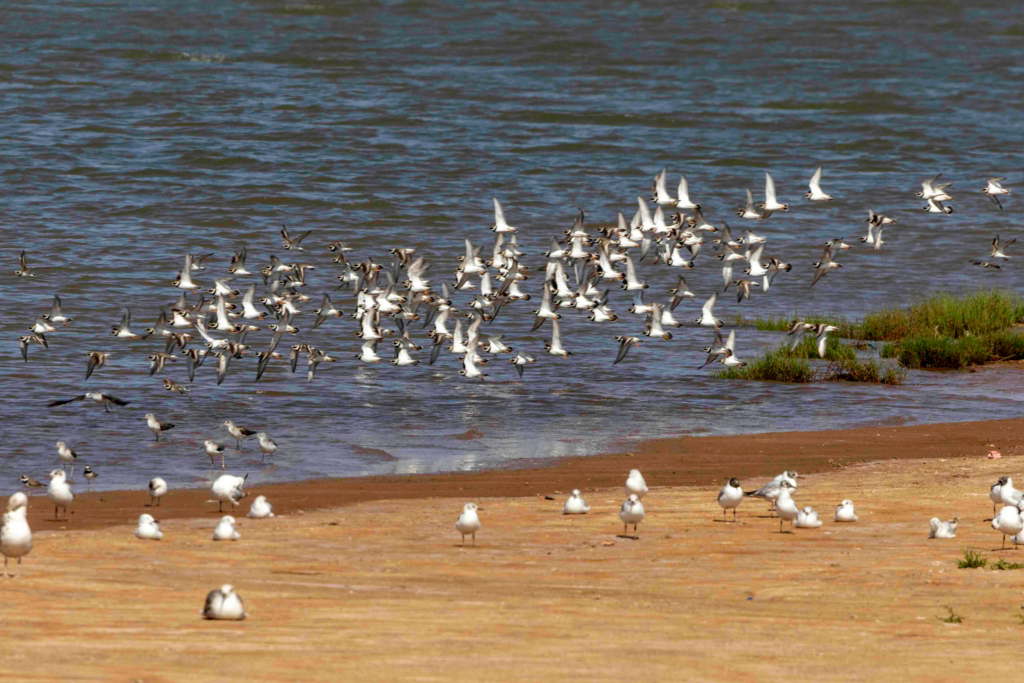
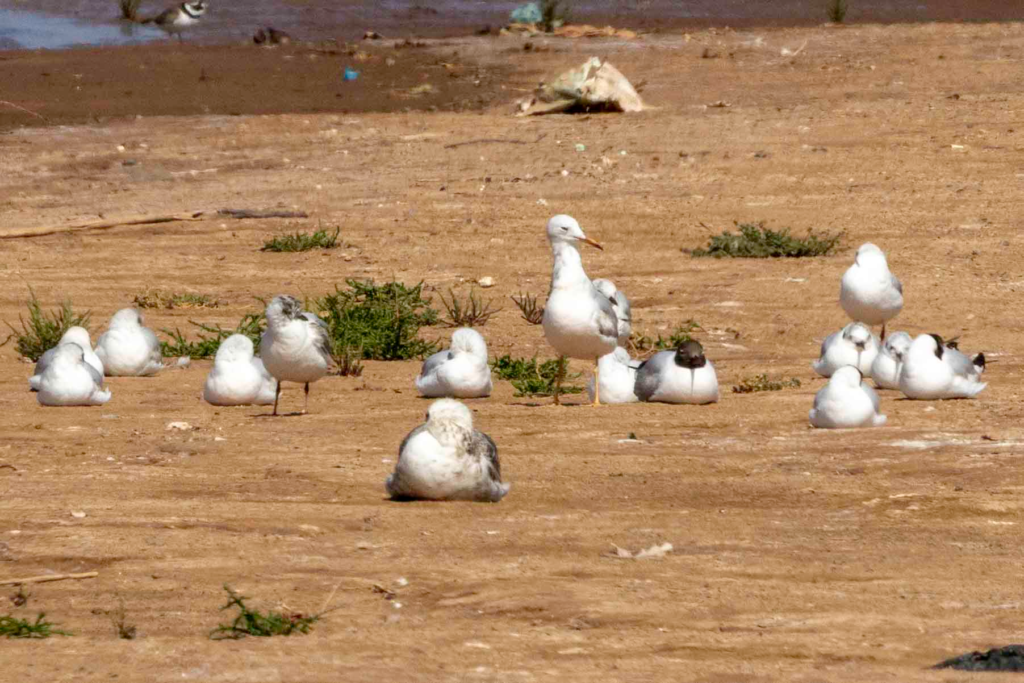
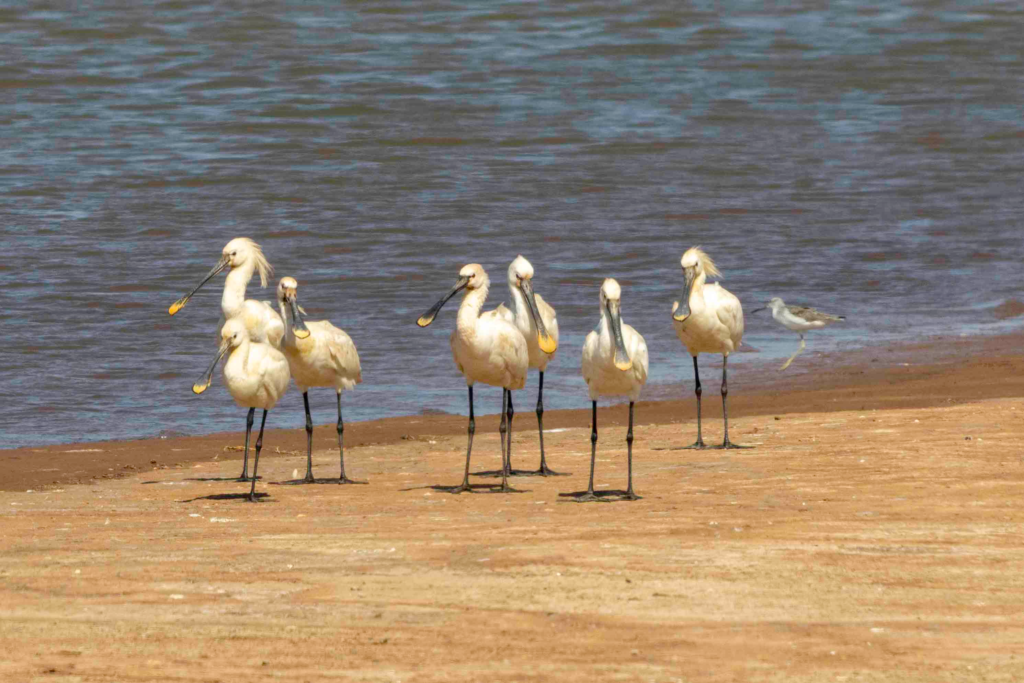
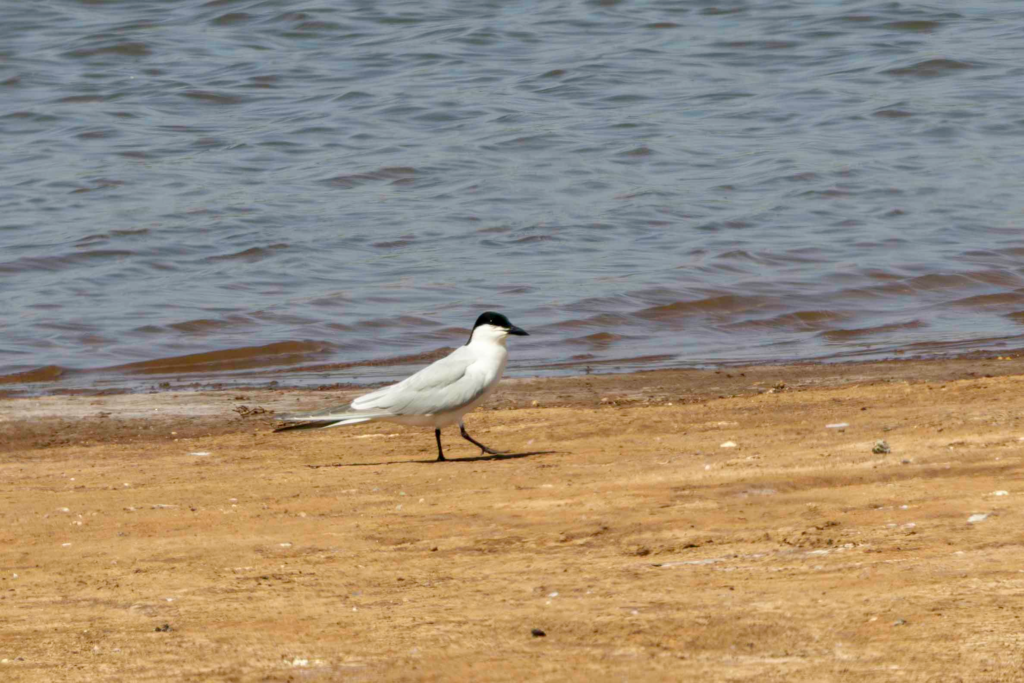
Arriving in Agadir the afternoon of May 1, we went straight to Oued Souss, a tidal estuary near where the Souss River meets the Atlantic. We set up our spotting scopes to see how many gulls, terns, wading birds, and shorebirds we could identify. Here are a few.
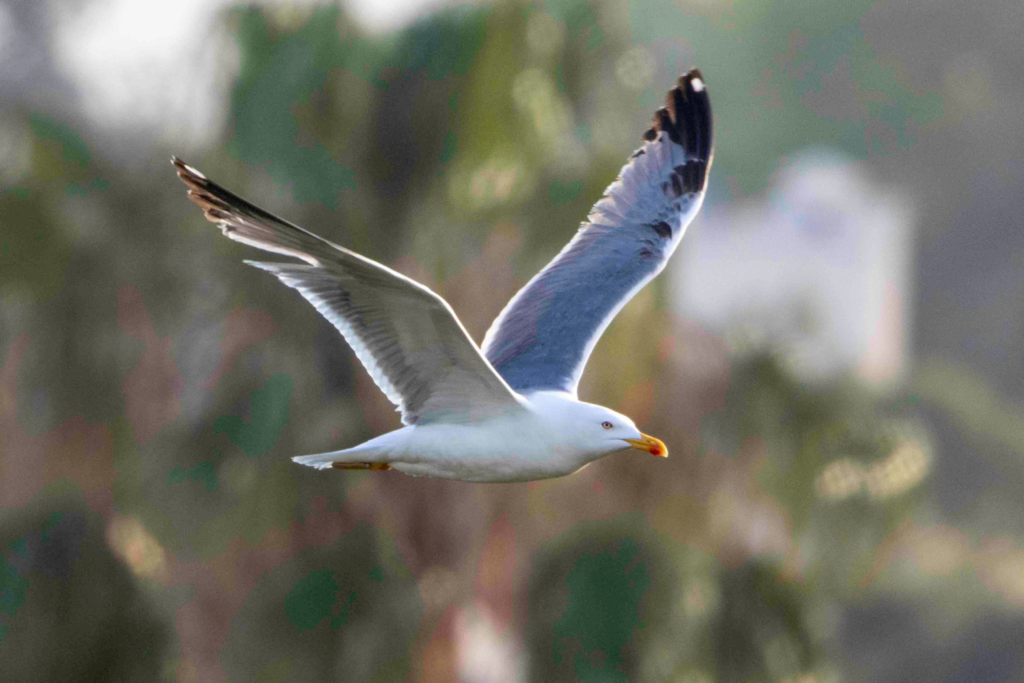
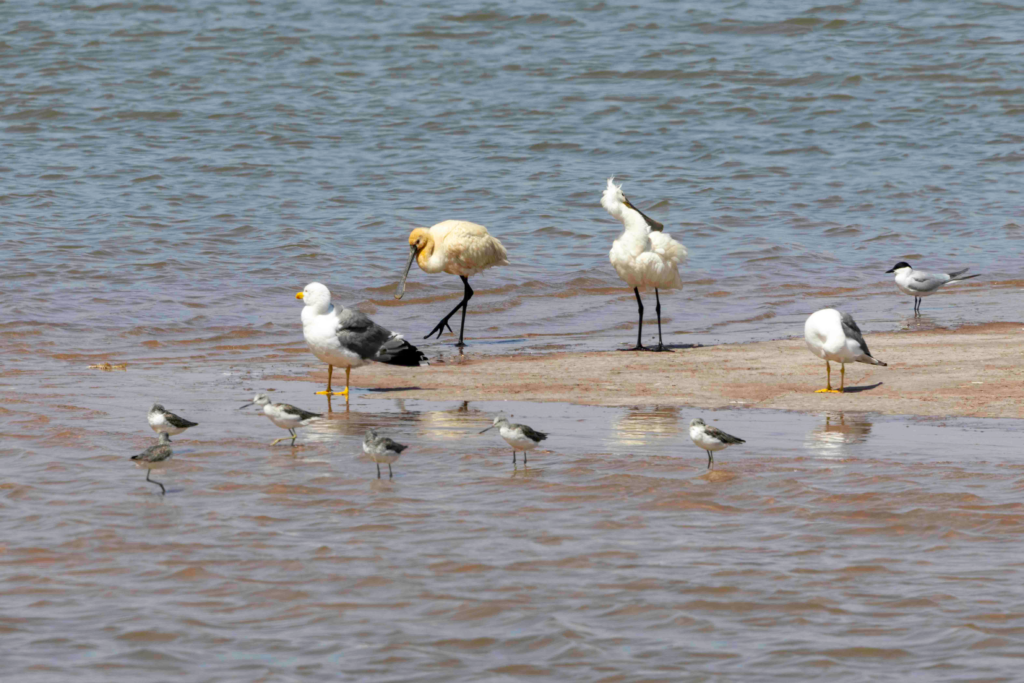
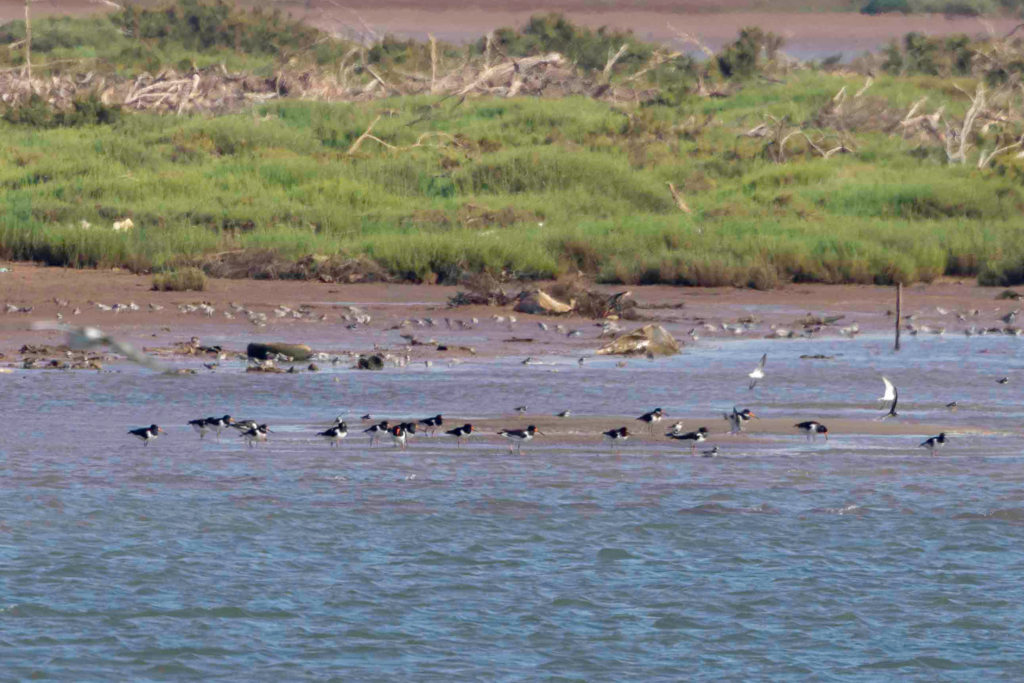
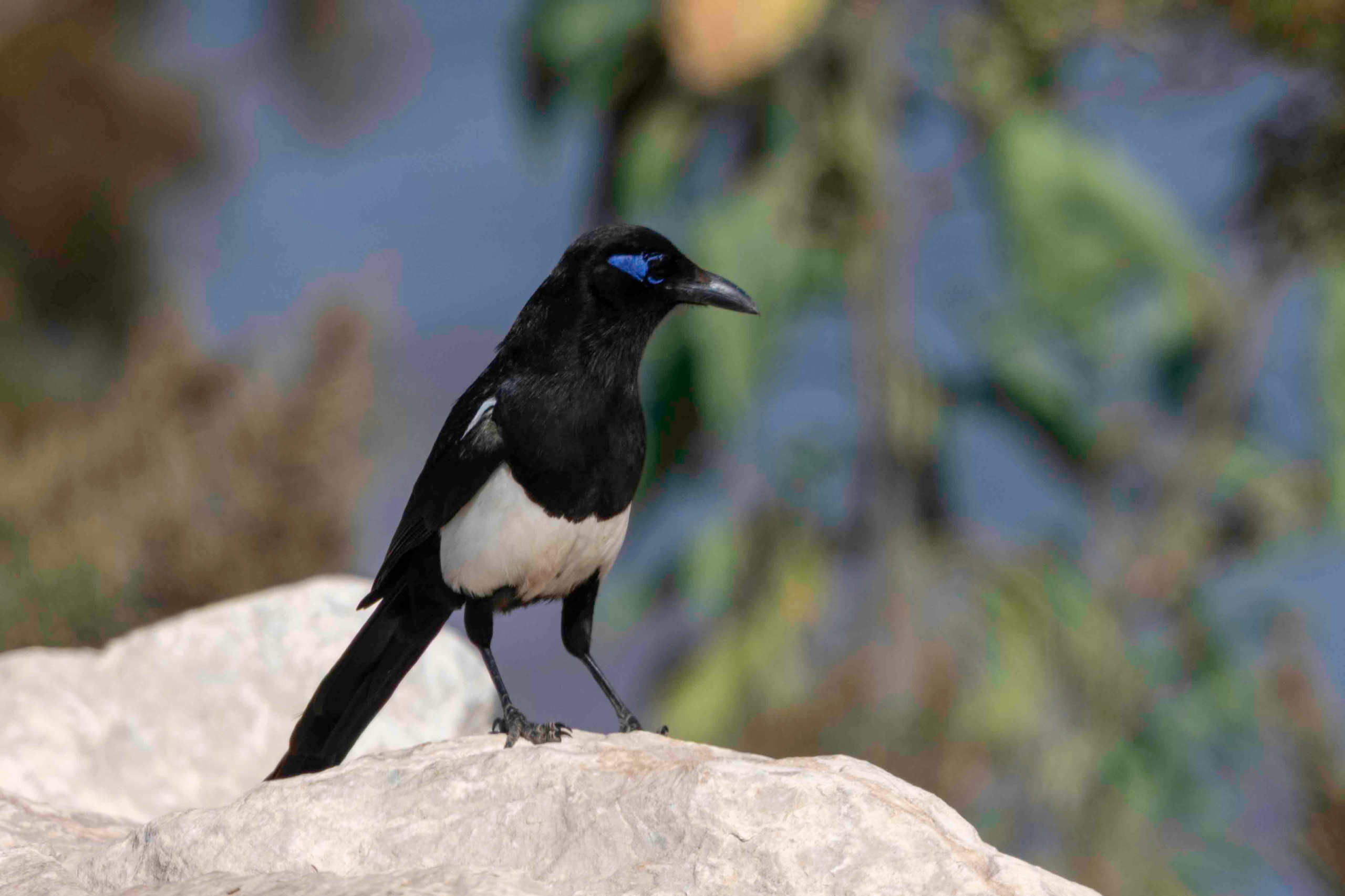
The next morning we headed north of Agadir right after breakfast. We were in search of two iconic species of this area: the Northern Bald Ibis and Audouin’s Gull. The Northern Bald Ibis is classified as endangeredIn the 1960s and 1970s, there were fewer than 1000 nesting pair of Audouin’s Gull, but they have recuperated following conservation efforts to establish and protect breeding colonies. There are now over 20,000 breeding pair. The endangered Northern Bald Ibis are in an even more dire situation, with breeding populations in only two places: Morocco and Turkey. We were fortunate enough to find both of them about 30 miles north, along the Atlantic Coast.
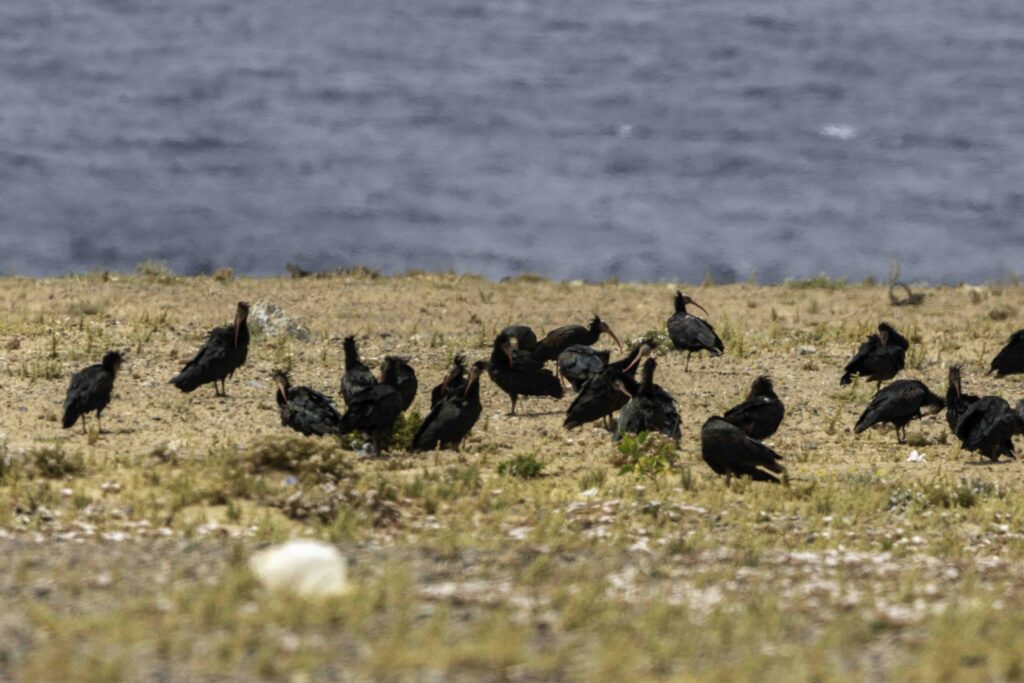
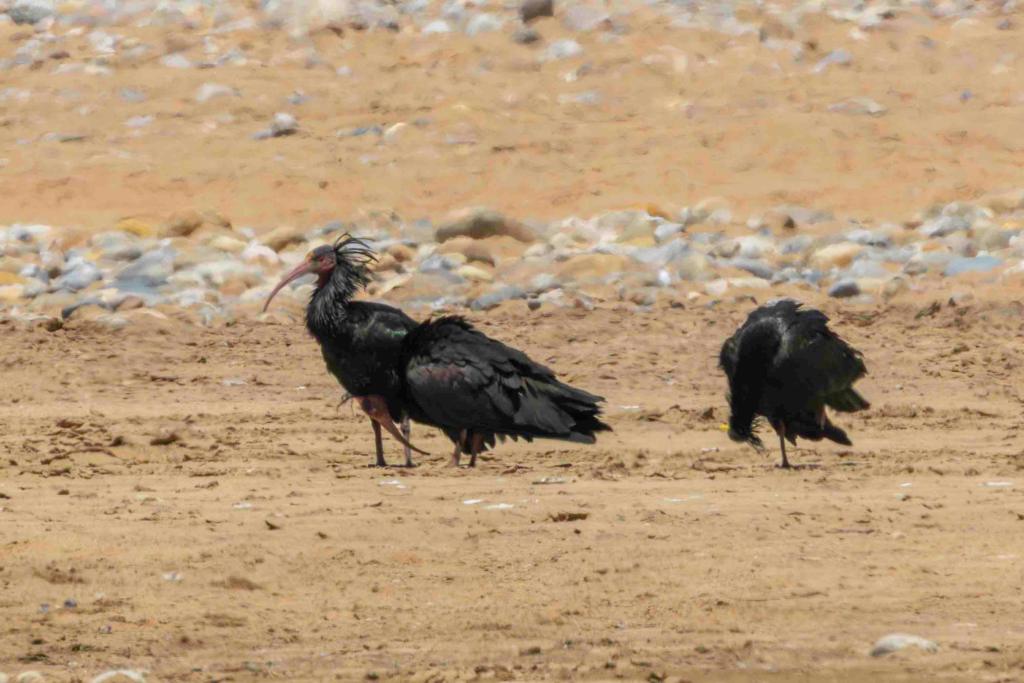
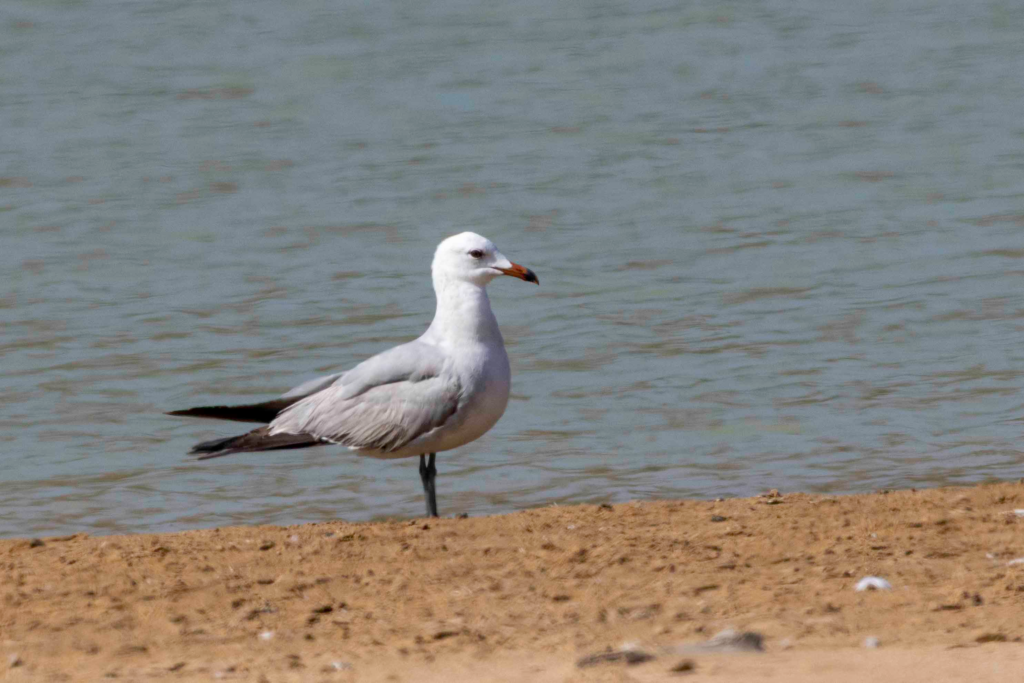
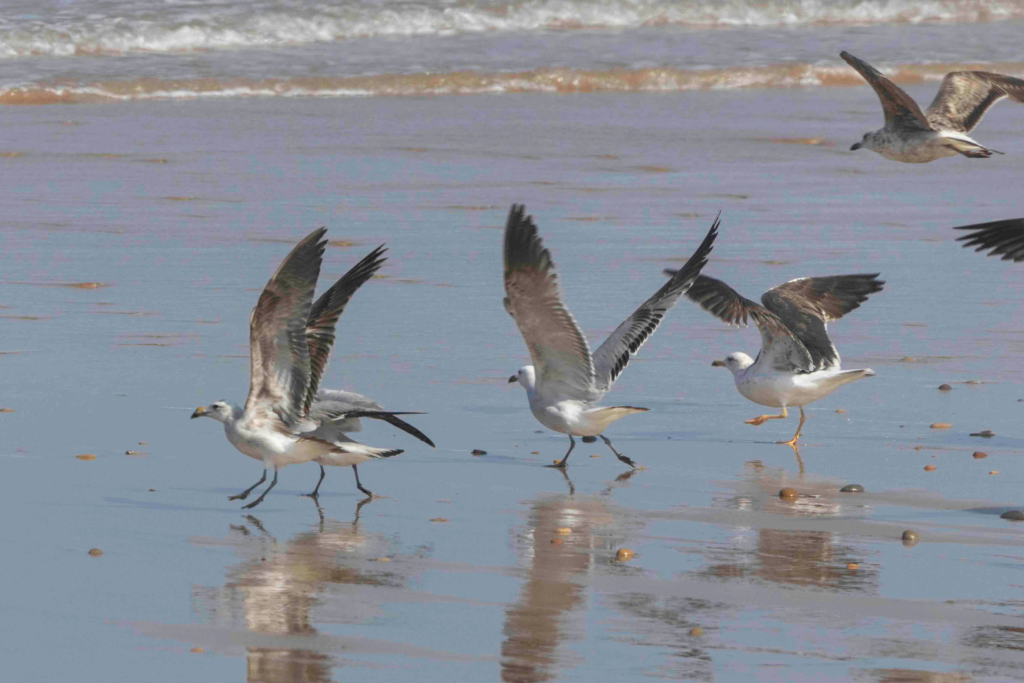
Some other birds include:
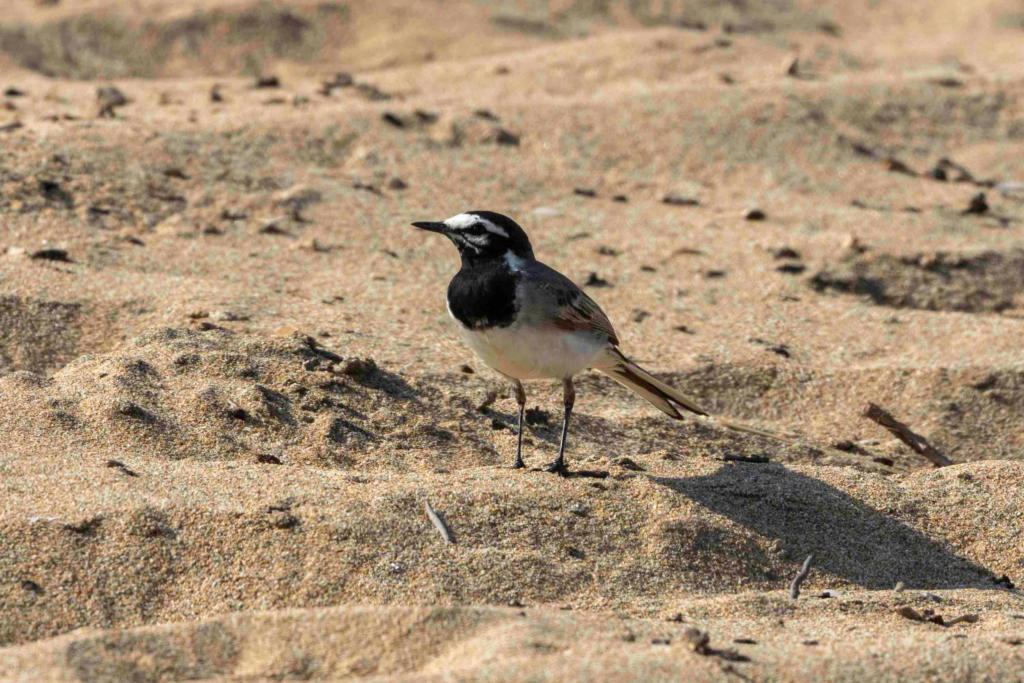
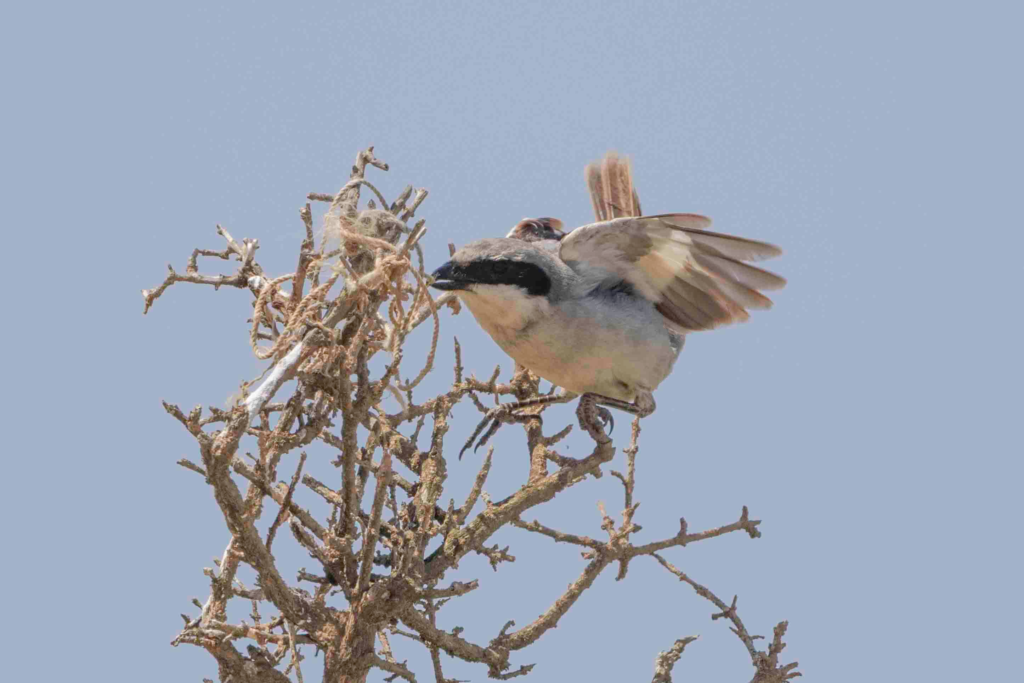
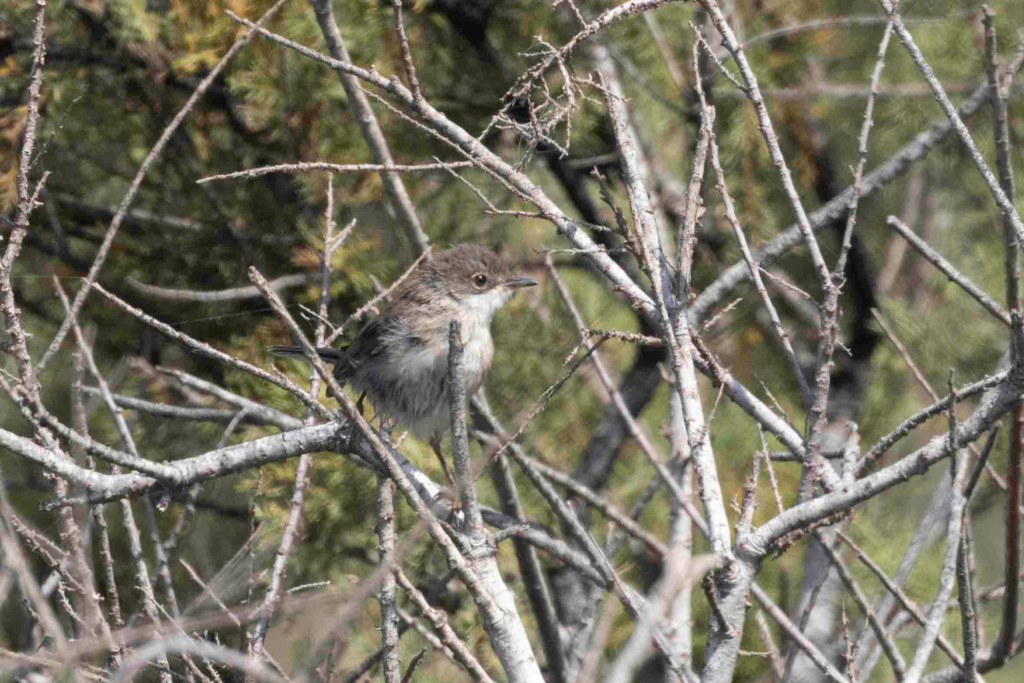
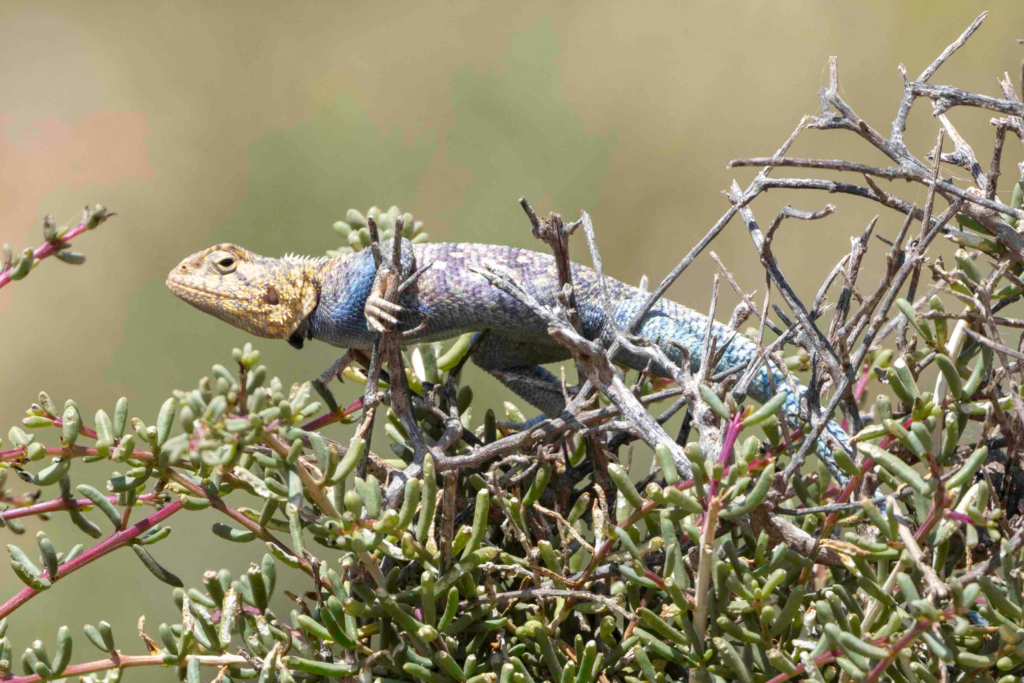
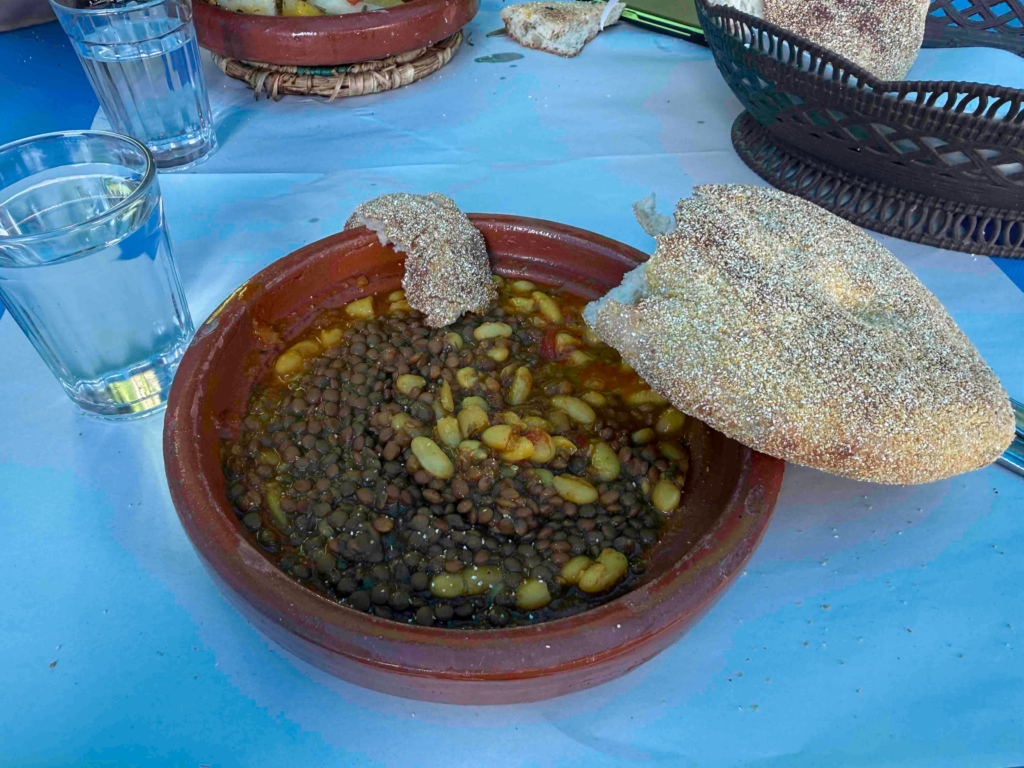
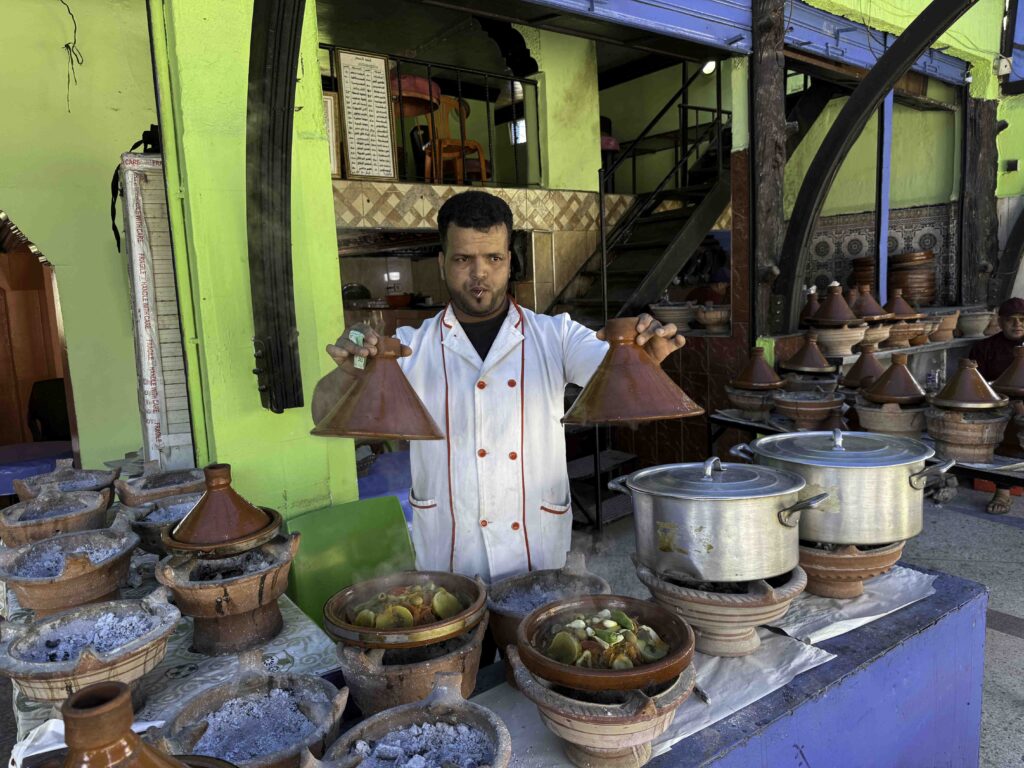
After a morning of birding, we headed back to Agadir. But first we stopped in the town of Tamara for lunch. I had a lentil and bean soup with Khobz (Moroccan bread); Matt had a chicken and lamb Tagine. This was the best lunch of the entire trip! And cheap!
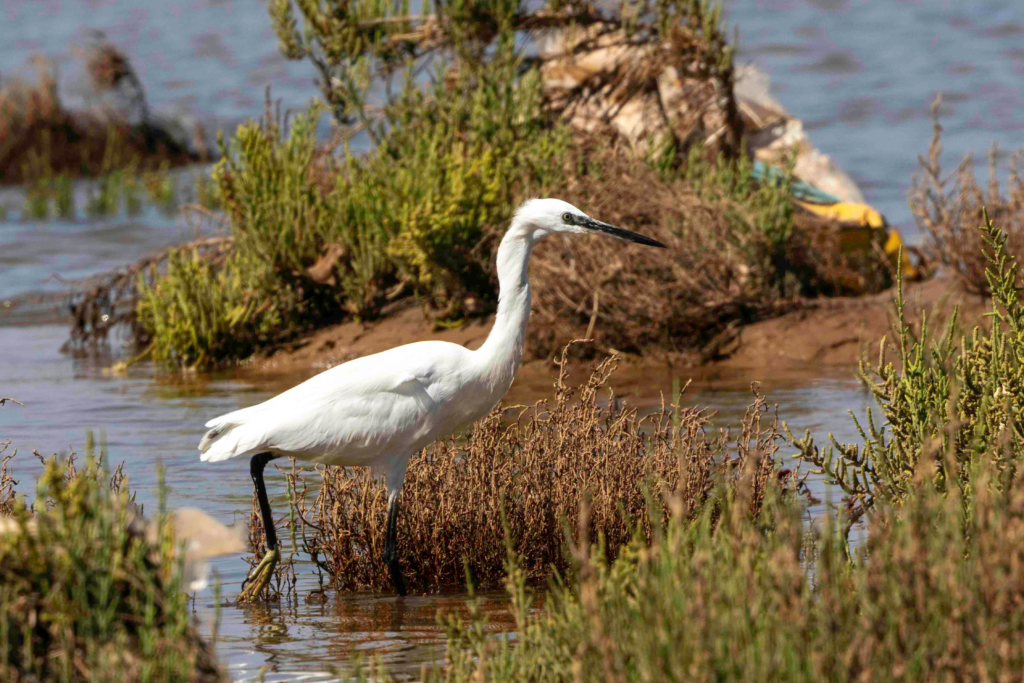
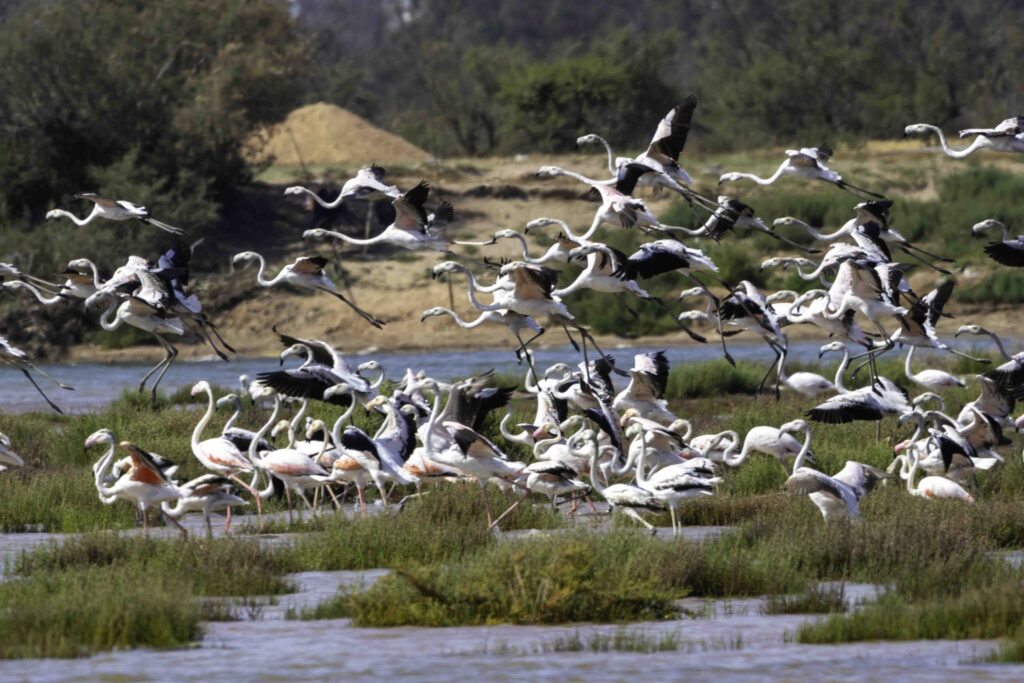
After lunch, we returned to Oued Souss to check out the estuary. We had some better looks at Little Egrets and Greater Flamingos.
The next morning (May 3), we headed south of Agadir. Our first stop was Oued Massa (Massa River), about 30 miles south of Agadir. Walking across the bridge, we saw a pair of Greater Flamingos and Black-winged Stilts feeding in the shallow water. A Rufous-tailed Scrub-Robin was hopping around. A pair of Marbled Ducks were swimming among the reeds. We also saw Black-crowned Tchagra, and a Bonelli’s Eagle flew just above our heads. On the smaller side, we had Common Reed Warbler, Zitting Cisticola, and European Stonechat.
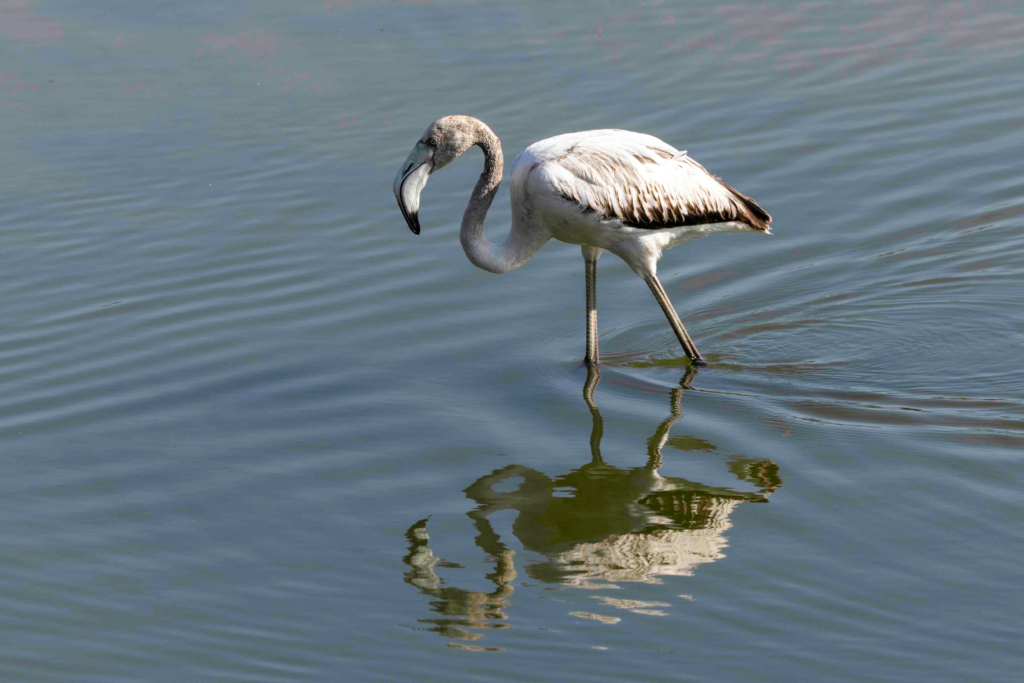
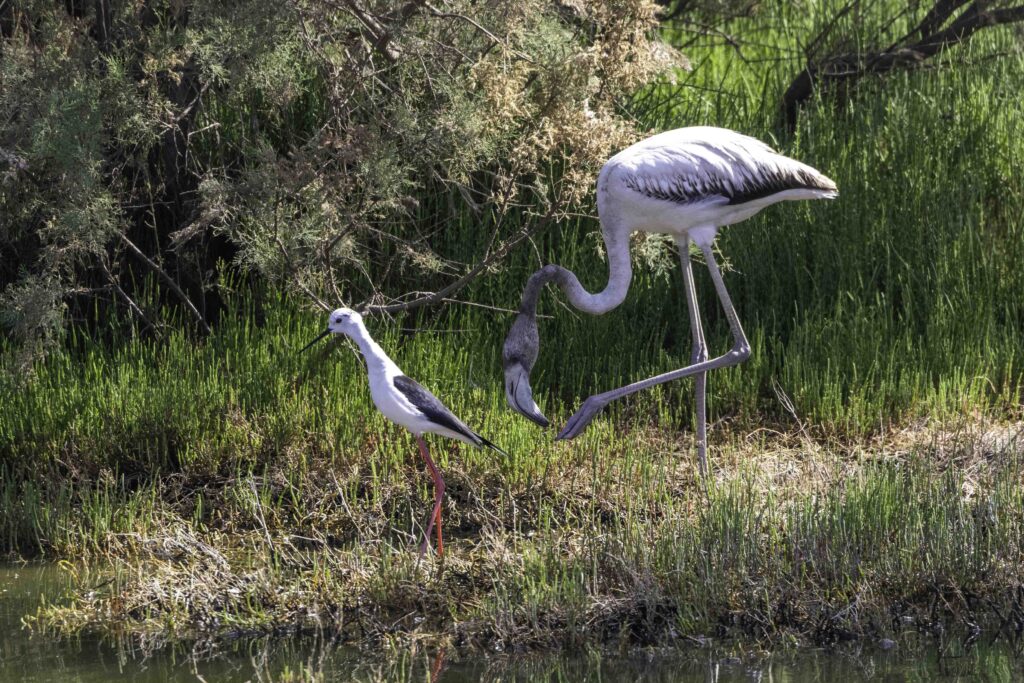
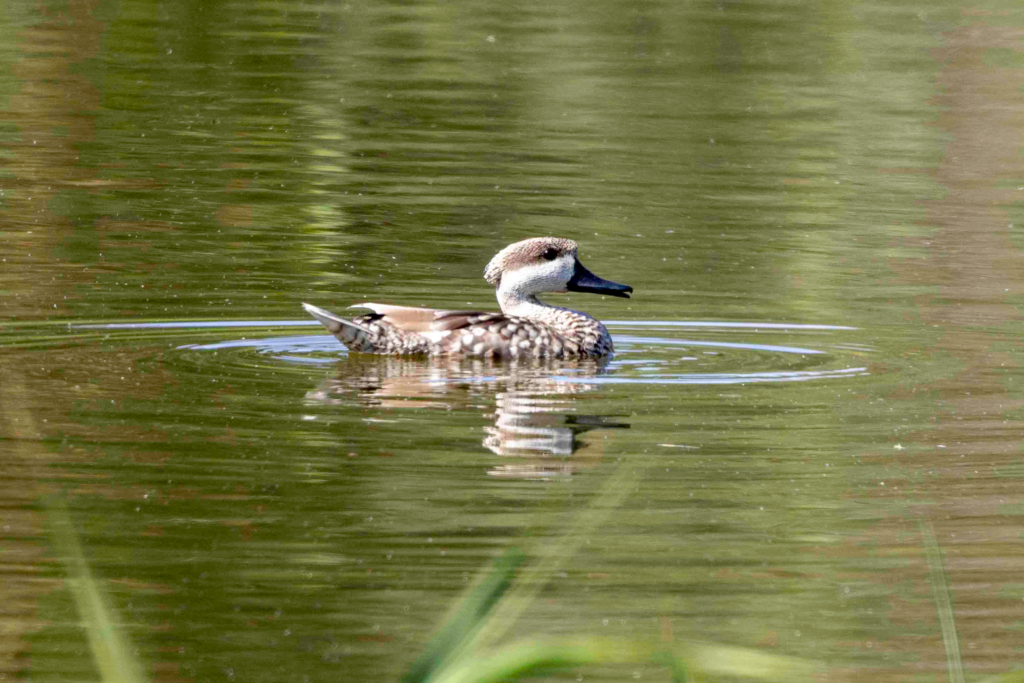
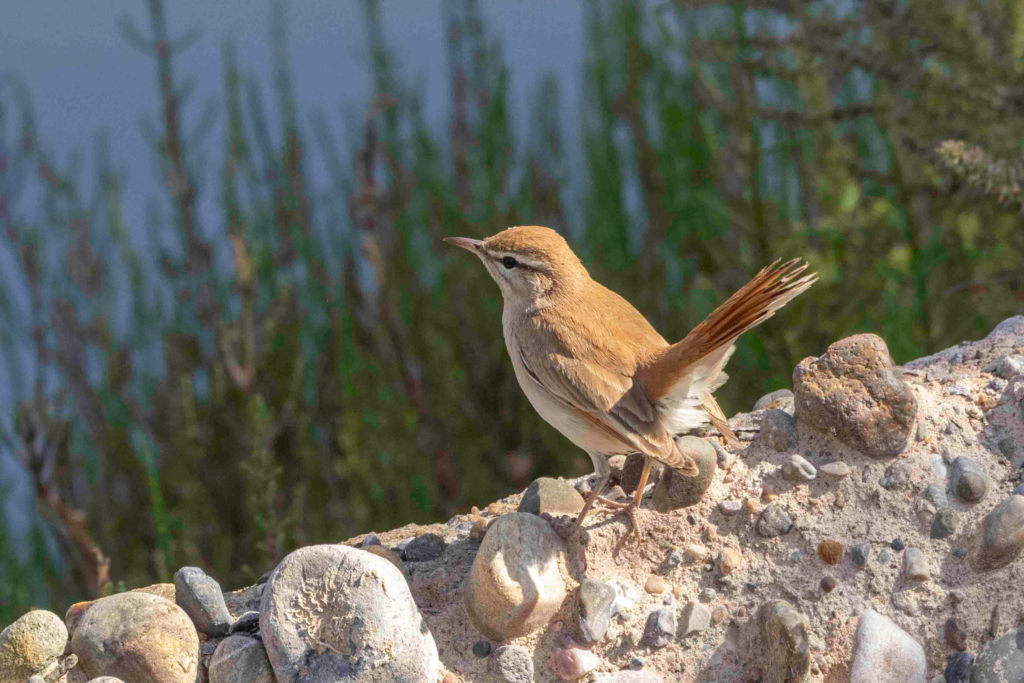
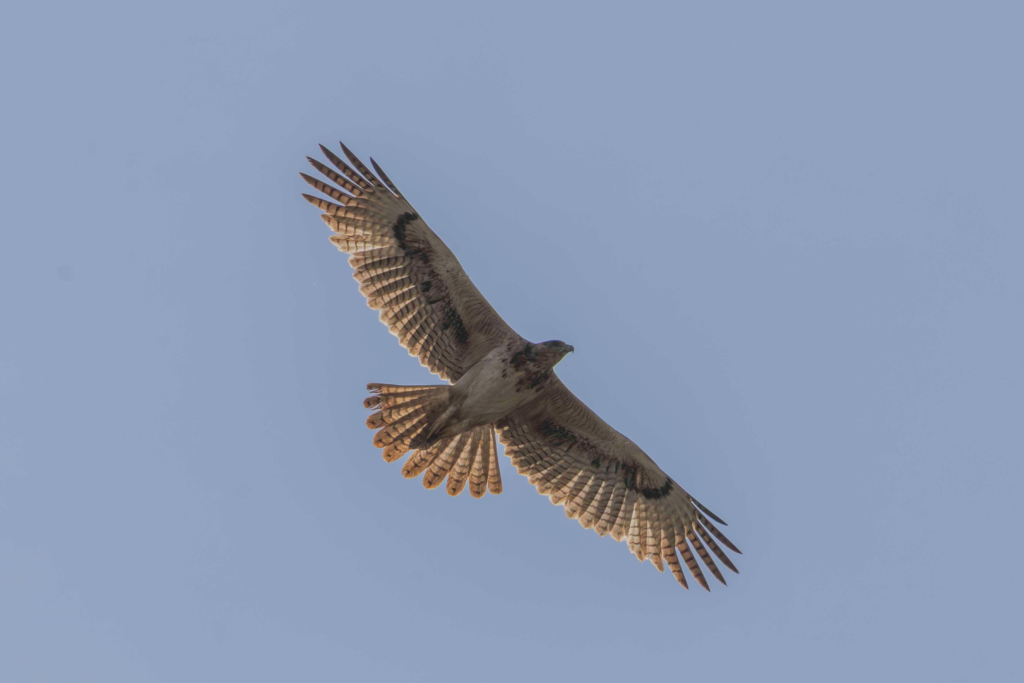
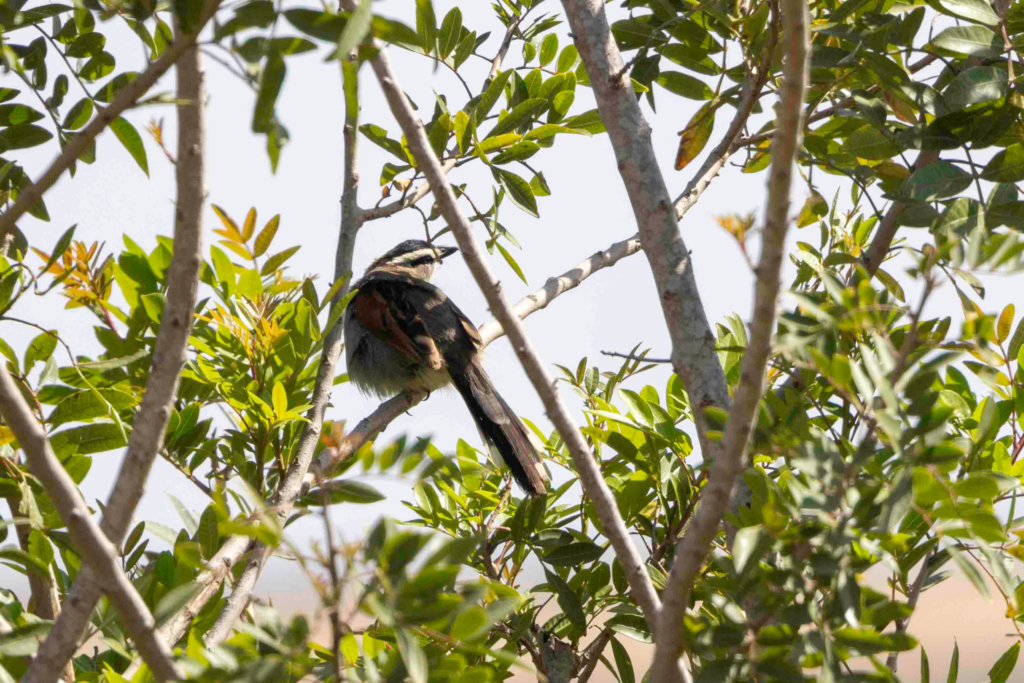
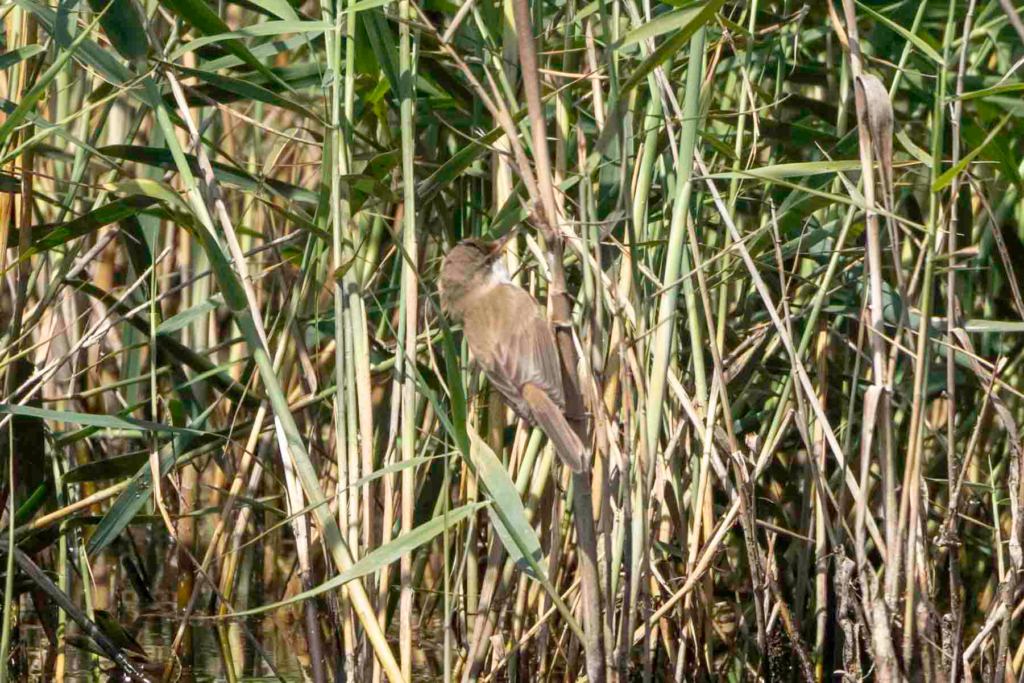
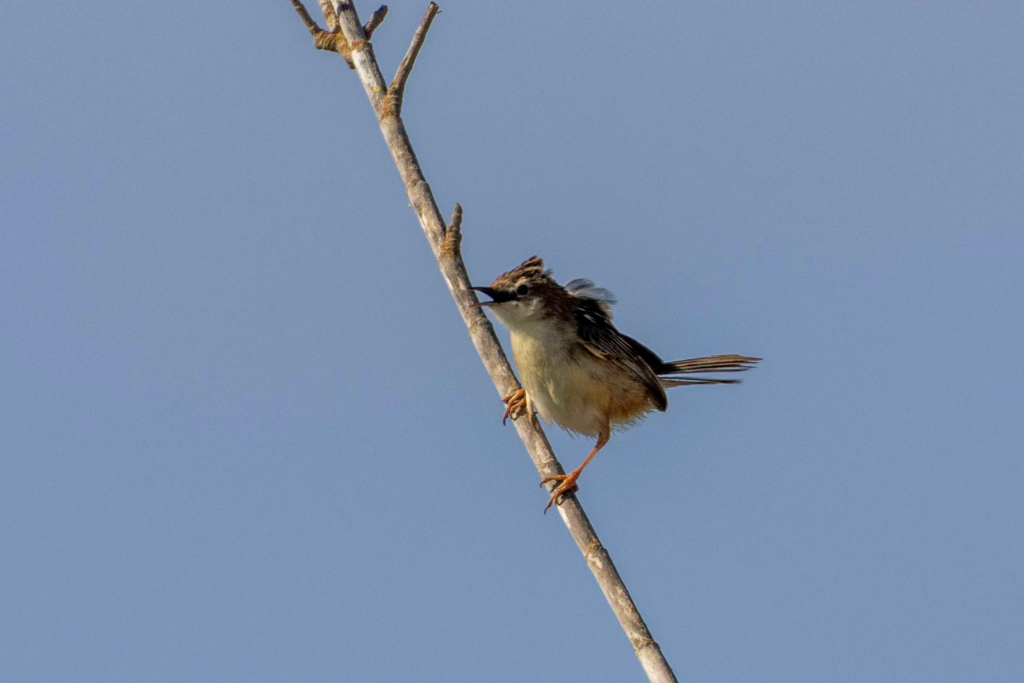
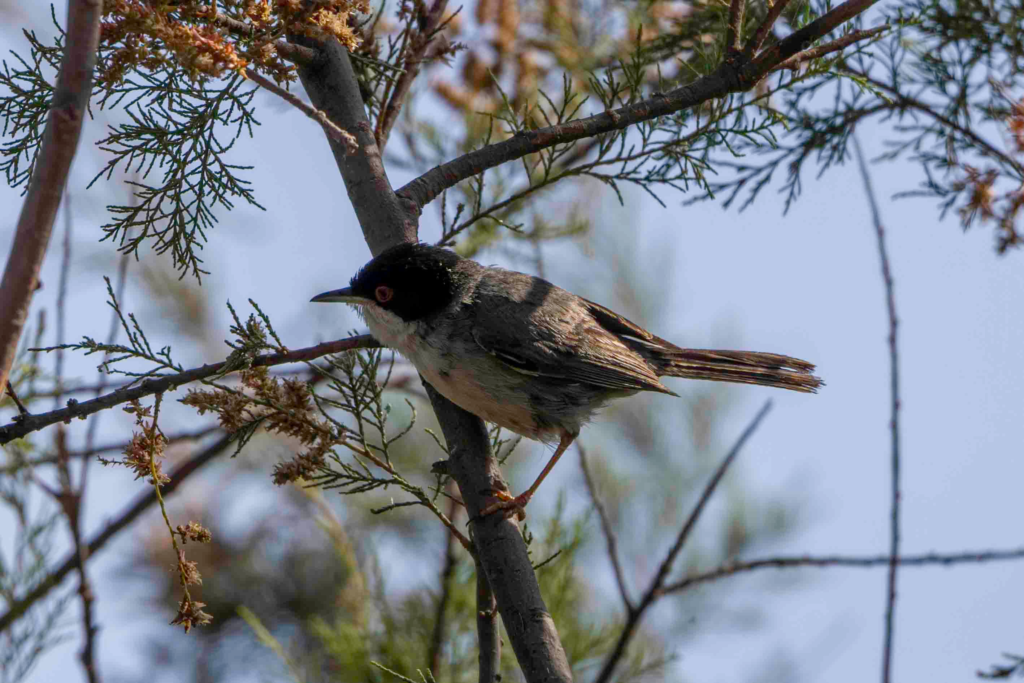
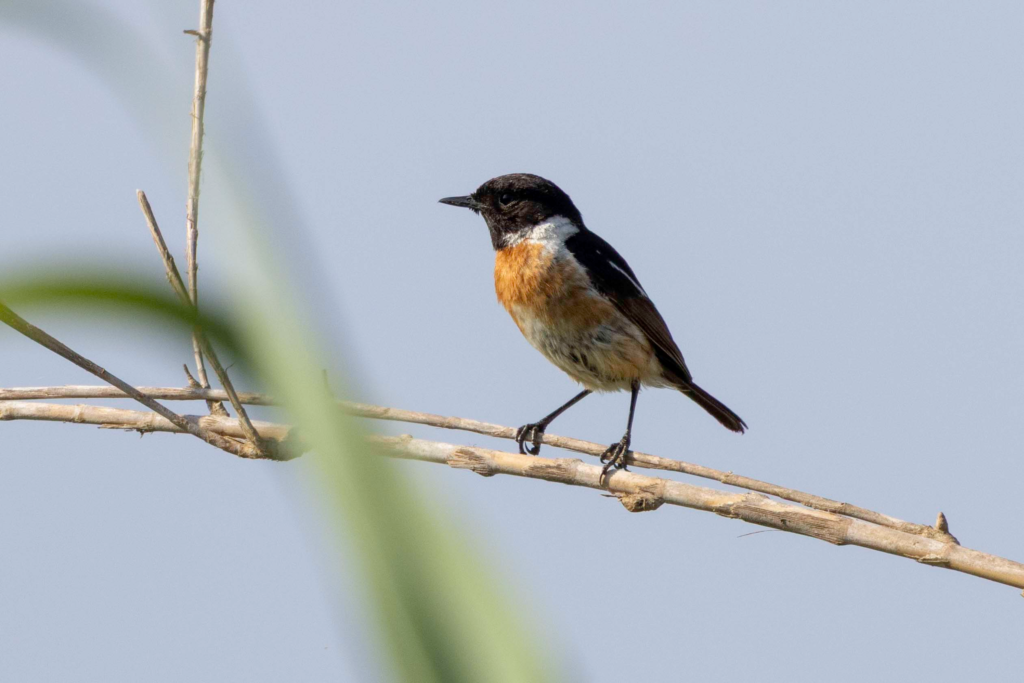
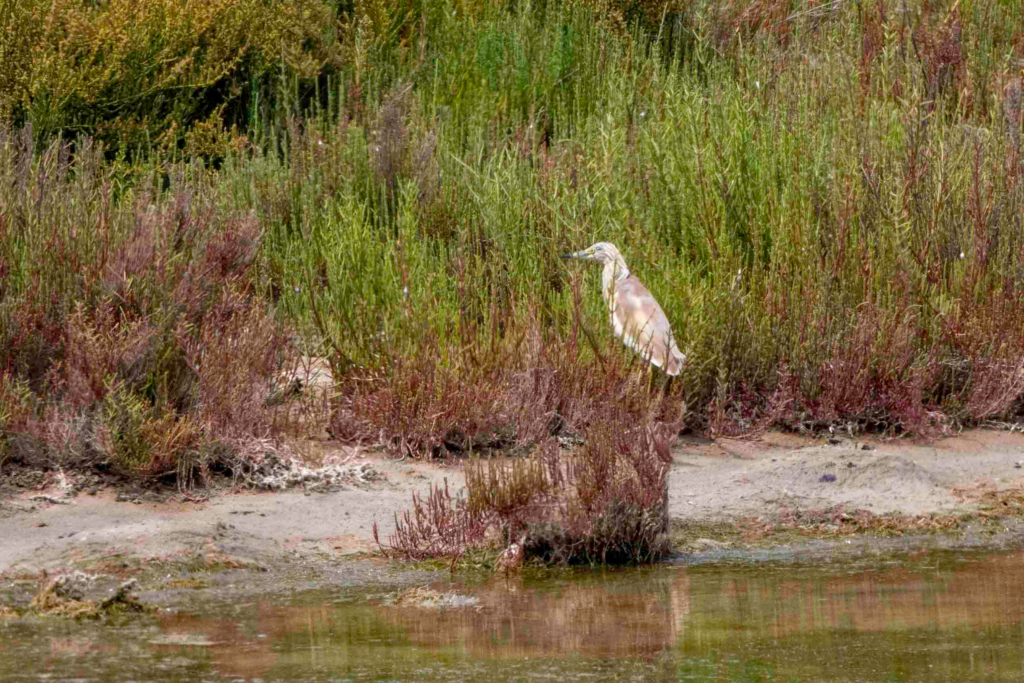
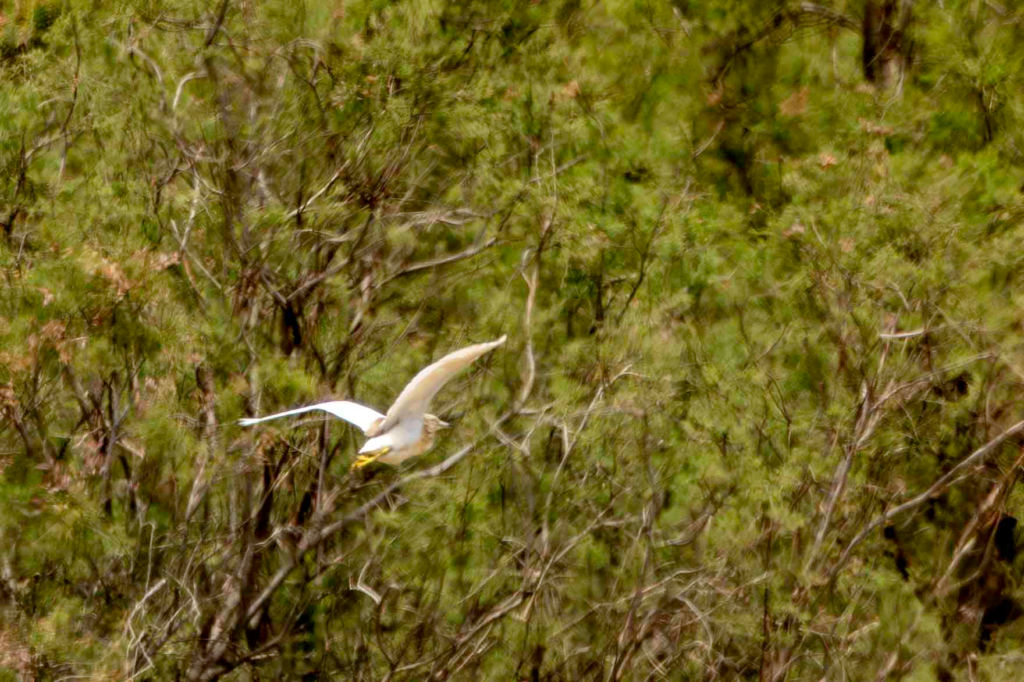
After birding the area for about two hours, we continued on. I was particularly interested in finding two species: a Squacco Heron and an Eurasian Thick-knee. We drove a bit and stopped at an overlook, about 100 feet above the river. I set up my scope ready to scan the edge of the river, and as I was getting the focus set before scanning, there it was — a Squacco Heron! The Squacco Heron is unique in that it is basically an all white bird with mottled brown wing coverts (feathers covering the wing feathers). It looks brown when at rests, but as soon as it takes flight it turns into an all white bird.
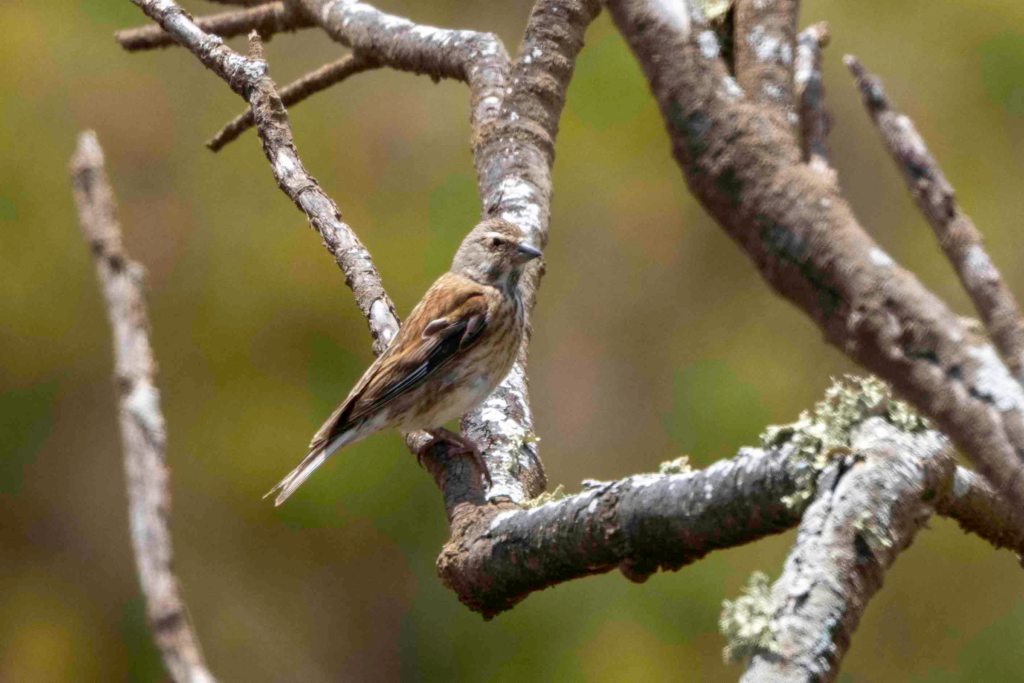
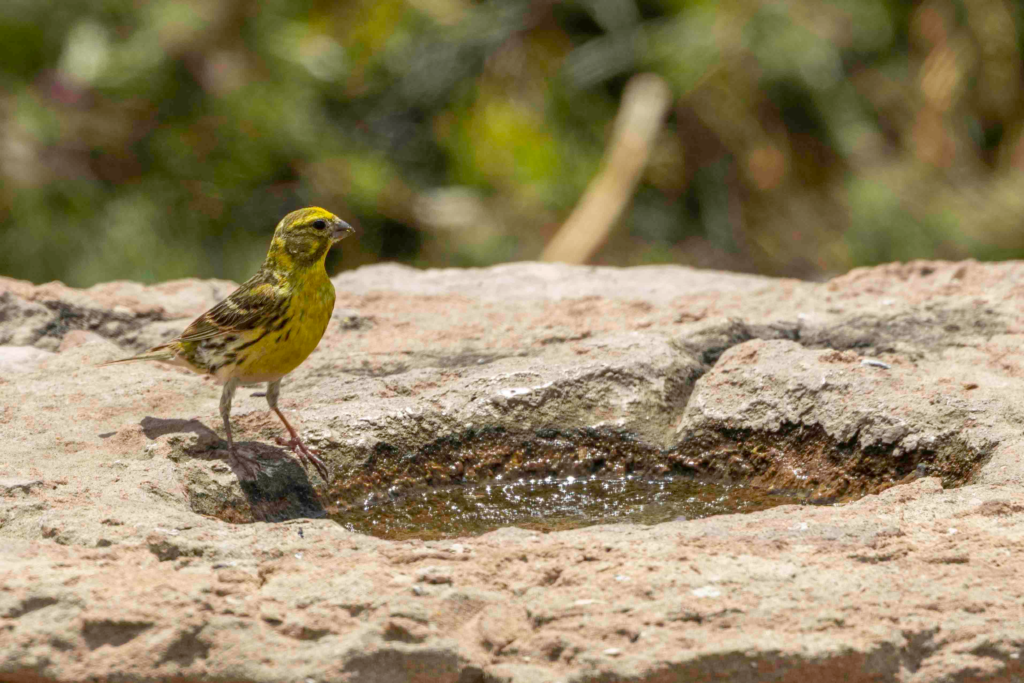
We headed to the National Park of Soussa Massa and took a two kilometer trail. It was a pleasant trail, although we didn’t see too many new birds. At the end we got some good looks at Eurasian Linnet and European Serin.
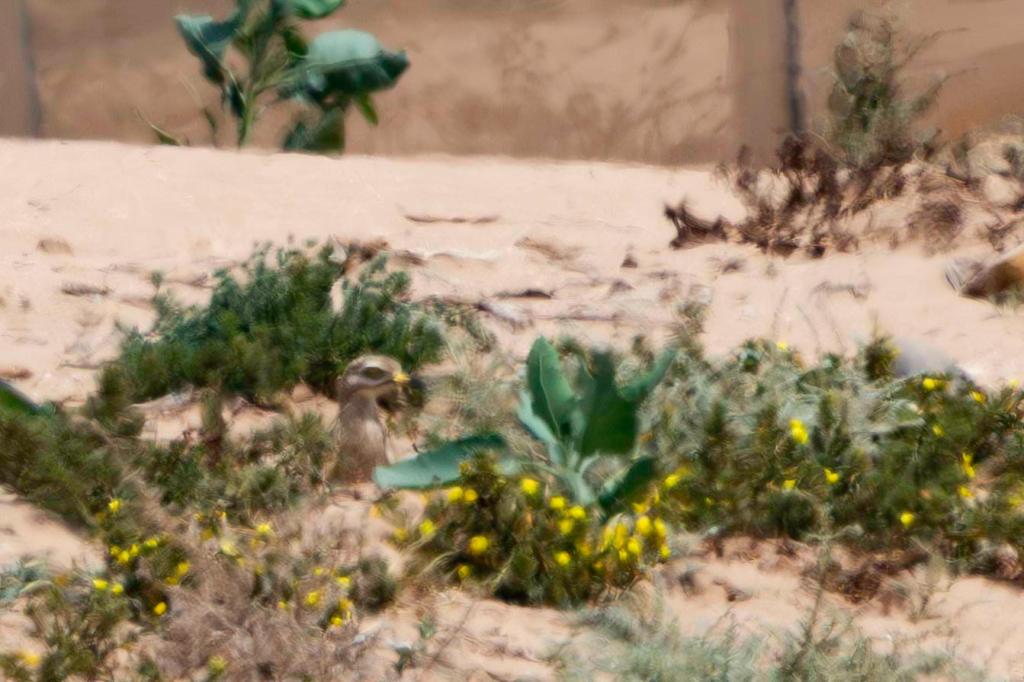
We then drove along the coastline (off-road) in search of Eurasian Thick-knee. This is a mostly nocturnal species, although it sometimes turns up in parking lots when you least expect it. We had no such luck. Finally we got out in an area where they had been seen earlier, and we got a distant look at one. You have to look carefully to see its (alien-looking) head.
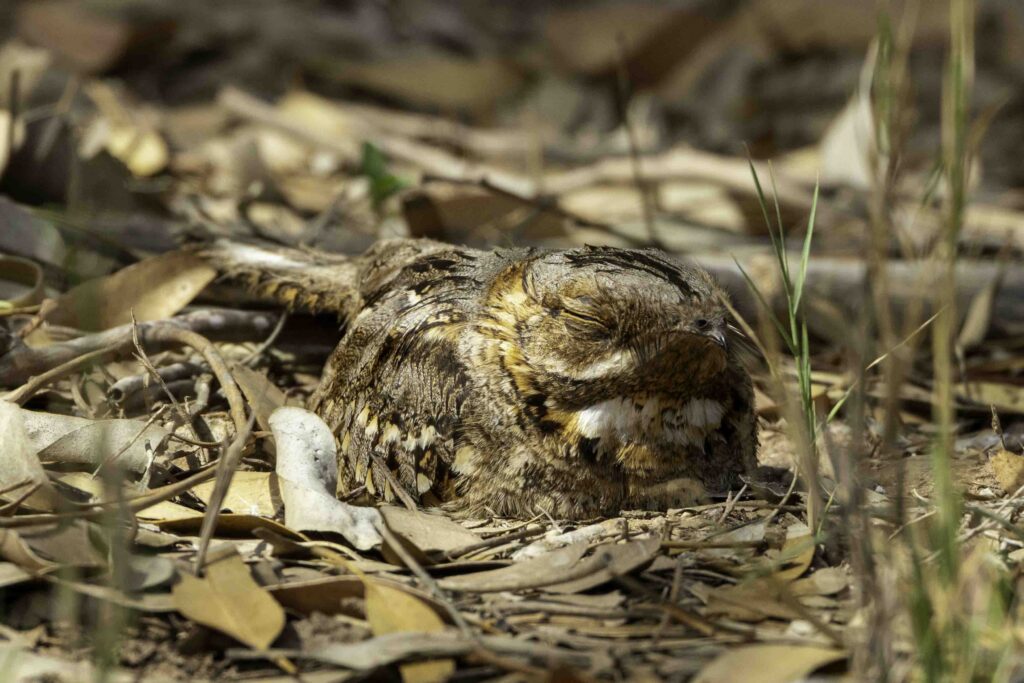
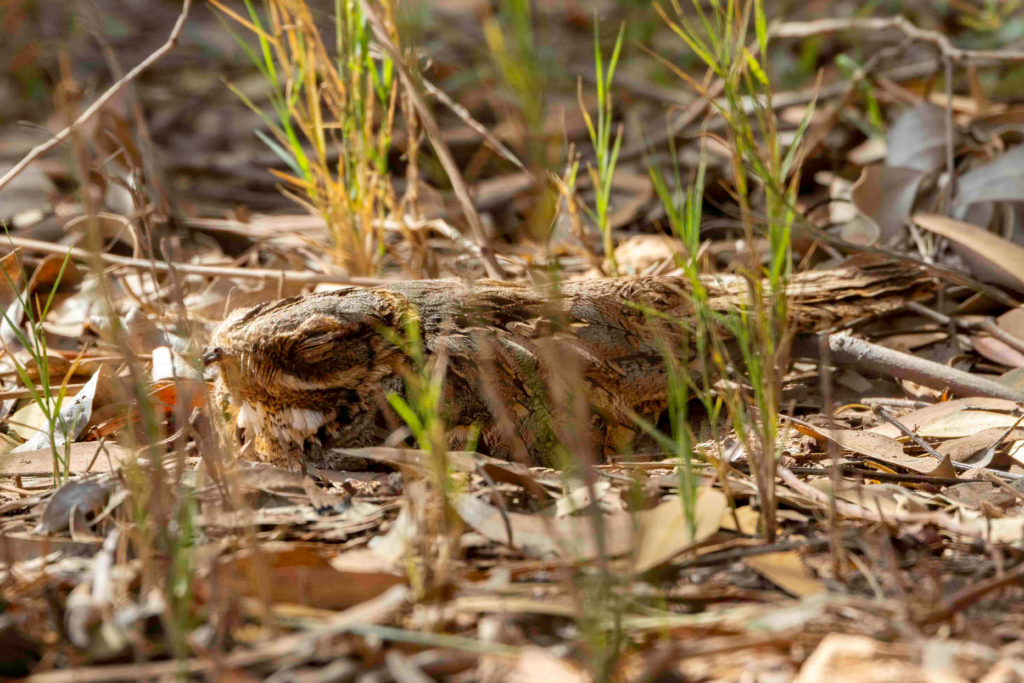
Our final stop took us to a campground. The campground owner had staked out a special bird — a nesting Red-necked Nightjar!
Back to the hotel for dinner. Tomorrow we head to Marrakech for the end of our wonderful Moroccan birding adventure.